Waffle vs. Terry: Choosing the Right Towel Weave

Waffle weave and terry are two core structures for bath textiles. Waffle offers fast drying and high absorbency per gram, while terry provides softness and higher weight capacity. Choose based on drying speed, touch, and target market.
- Waffle weave dries faster than terry due to its open, interwoven structure.
- Terry offers a plush hand feel and higher overall weight for luxury retail.
- Sourcing decisions depend on target drying time, absorbency, and price.
- Test both structures against your specific absorbency and shrinkage requirements.
What distinguishes waffle weave from terry?
Waffle weave and terry are the two most common structures for bath textiles. They differ in construction, feel, and performance. Understanding these differences helps buyers match the structure to their product requirements.
Waffle weave is a plain weave with a grid of small, raised squares. The fabric is usually made from 100 percent cotton or cotton blends. The open structure allows air to pass through the material. This design promotes quick drying after washing. The raised squares create pockets of trapped air that increase the surface area exposed to the environment. This geometry accelerates evaporation.
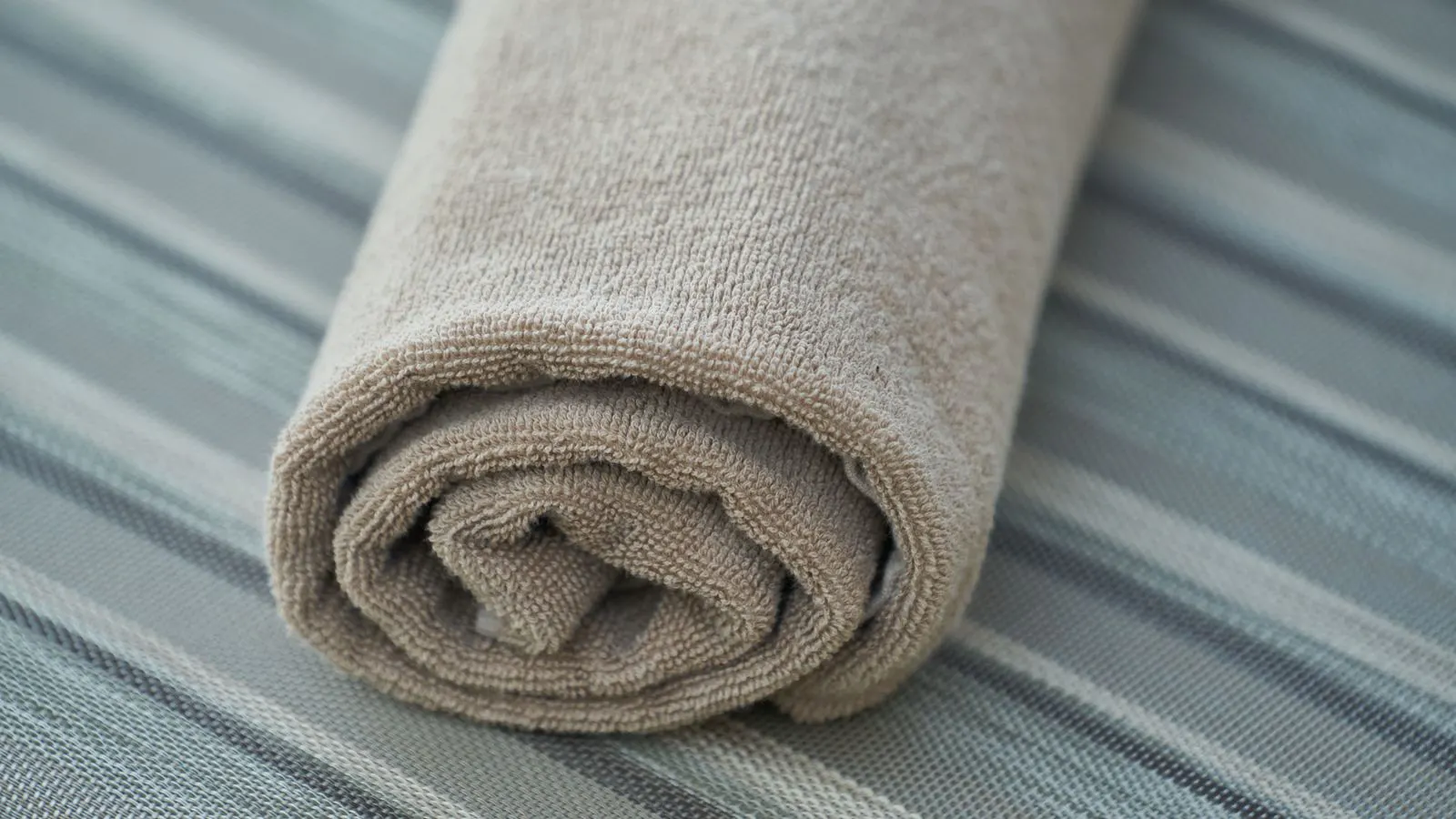
Terry is a looped pile structure. The face of the fabric is a plain weave, while the back has loops of yarn. These loops catch water. Terry towels generally feel softer and thicker than waffle towels. They also hold more water before reaching saturation. The loops act as capillary channels, drawing water away from the skin and into the fiber structure.
The choice between the two depends on the end user and the sales channel. A hotel guest may prefer the softness of terry. A gym locker room may prioritize the fast drying speed of waffle. A buyer must also consider the maintenance cycle. Waffle weave tolerates frequent machine washing better in some facilities because it dries faster between cycles. Terry requires more care to prevent mildew if left damp in a closed locker.
How do absorbency and drying speed compare?
Absorbency is the ability to take in water. Drying speed is how quickly the fabric releases that water. These two metrics are linked but distinct.
Waffle weave typically wins on drying speed. The open grid structure has high porosity. Water drains through the fabric quickly. This makes waffle towels suitable for environments where towels are used frequently and need to be dry again soon. The lack of deep pile means less water is held against the fabric surface. The water moves through the weave rather than sitting in loops.
Terry holds more water due to the loops. The pile traps moisture within the loops. This gives terry high total absorbency. However, it takes longer to dry completely. The water must evaporate from inside the loop structure. This process is slower than evaporation from an open grid.
For sourcing, define your performance target. If the product must be usable within an hour after washing, waffle weave is the better fit. If the product is for occasional use and maximum water capacity is needed, terry is preferable.
Buyers should also consider the drying method. In commercial settings, tumble dryers are common. Terry towels may require longer drying times in commercial machines, increasing energy costs per cycle. Waffle weave often reaches dryness faster, reducing machine cycle times.
When should you choose waffle weave?
Waffle weave is a strong option for specific product lines. It suits towels that need to dry quickly in high-use areas.
The structure also lends itself to modern design. The grid pattern is clean and minimal. It works well for retail towels that target a contemporary aesthetic. The texture is tactile but not plush. It feels like a crisp, structured fabric. This appeal is strong in urban markets where minimalist design is preferred.
Consider waffle weave for:
- Gym and pool towels
- Travel towels
- Hotel bathrobes
- Spa towels
- Retail towels with a modern look
The fabric is also lighter than terry at similar absorbency levels. This reduces shipping weight and costs. For e-commerce sellers, lighter packaging is a plus. A lighter towel costs less to ship internationally. It also takes up less space in storage.
Waffle weave also shrinks less than terry. The plain weave structure is more stable. This is beneficial for products that require consistent dimensions after washing. Hotels and spas often have strict laundry specs. A towel that shrinks significantly after the first wash may not meet the specification. Waffle weave maintains its size more reliably.
Another advantage is the ease of manufacturing. Waffle weave is often produced on standard knitting or weaving machinery. It is less complex than terry, which requires specific knitting heads to form the loops. This simplicity can lead to lower production costs and shorter lead times.
When should you choose terry?
Terry is the traditional choice for bath towels. It offers a plush feel that many consumers associate with luxury.
The loops create a soft hand feel. The pile depth determines the thickness and absorbency. Deeper pile towels are heavier and absorb more water. The softness comes from the yarn rubbing against the skin. The loops provide a cushioning effect. This is why terry is often chosen for high-end retail brands that want to convey comfort and quality.
Consider terry for:
- Luxury retail towels
- Hotel bath towels
- Spa bathrobes
- Guest towels
- Products targeting a premium feel
Terry is also more durable in terms of surface wear. The loops protect the base fabric. This makes terry suitable for products that will be washed frequently over a long life. The pile can be dense and resilient. It resists abrasion better than a flat weave in some cases.
However, terry requires more care in sourcing. The loops can pill if the yarn quality is low. The pile depth must be controlled to avoid excessive weight. A thick terry towel can be heavy and slow to dry.
Buyers should also check the yarn twist. A low-twist yarn creates a softer hand but is more prone to pilling. A high-twist yarn is more durable but feels stiffer. The choice depends on the intended use. A towel for a high-end hotel may need the softness of a low-twist yarn. A towel for a gym may need the durability of a high-twist yarn.
Comparison of waffle weave and terry
The table below summarizes the key differences between the two structures.
| Option | Best for | Limitations |
|---|---|---|
| Waffle weave | Fast drying, modern design, low weight | Less plush feel, lower maximum absorbency than deep pile terry |
| Terry | Soft feel, high absorbency, luxury retail | Slower drying, higher weight, potential for pilling if yarn quality is low |
| Loopless terry | Balanced drying and softness | Less absorbent than standard terry, less plush |
| Terry with waffle back | Soft front, faster drying back | More complex construction, higher cost |
| Blend of waffle and terry | Niche products, specific feel | Limited availability, higher sourcing complexity |
Loopless terry, also known as terry without the traditional loops on one side, is a hybrid option. It offers a smoother feel than standard terry but retains some absorbency. It is often used for towels that need to be soft but not too heavy.
Terry with a waffle back combines the softness of terry on the front with the fast-drying properties of waffle on the back. This is a popular choice for premium bathrobes. The user feels the soft terry against their body, while the back dries quickly after washing.
Blends of waffle and terry are less common. They may be used for niche products where a specific hand feel is required. However, they are harder to source and often cost more due to complex production processes.
How to evaluate specs during sourcing
When sourcing towels, ask for technical specs. Do not rely on marketing descriptions alone.
For waffle weave, check the thread count and yarn weight. A higher thread count creates a finer grid. A lower yarn weight reduces the overall weight of the towel. The grid size is usually measured in millimeters. A smaller grid creates a denser fabric. A larger grid creates a more open structure.
For terry, check the pile depth and face fabric weight. Pile depth is measured in millimeters. Face fabric weight is measured in GSM. A thick face with a deep pile creates a heavy, absorbent towel. The pile density also matters. A dense pile holds more water but is harder to dry.
Ask for shrinkage data. Both structures shrink, but the rate varies. Waffle weave typically shrinks less. Terry can shrink more, especially if the yarn is not pre-shrunk. Pre-shrinking is a process where the fabric is washed and dried before cutting. It removes most of the shrinkage potential.
Check absorbency data. Ask for grams of water absorbed per gram of dry fabric. This is a standard metric in the industry. It allows for direct comparison between structures. A higher value indicates better absorbency. However, it does not indicate drying speed.
Request samples. Do not place a bulk order without testing. Wash the samples three times. Check for color fastness, shrinkage, and absorbency. Color fastness is important for towels that will be washed frequently. If the color bleeds onto other towels, the product will fail.
Also check the hand feel. Different yarns feel different. A cotton terry feels different from a cotton-polyester blend. A polyester blend may be more durable but less absorbent. The balance depends on the product.
Common mistakes in structure selection
Buyers often choose a structure based on feel alone. A thick terry towel feels luxurious, but it may not dry fast enough for the intended use.
Another mistake is ignoring weight. A heavy towel is expensive to ship. It also costs more to produce. For e-commerce, weight directly impacts customer experience and profit. A heavy towel costs more to return if the customer is not satisfied.
Sourcing a low-quality yarn is a third mistake. Terry towels made from poor yarn will pill quickly. The loops will unravel. This damages the product and brand reputation. Always check the yarn quality. Ask for the yarn composition and twist count.
Another common error is not considering the laundry process. If the towel will be washed in a commercial machine, the structure must withstand high temperatures and aggressive agitation. Terry with a low-twist yarn may not survive this process. Waffle weave is generally more resistant to this.
Finally, buyers should not assume that one structure is better than the other. Each has its strengths and weaknesses. The right choice depends on the specific product requirements.
Final recommendations
Choose waffle weave when drying speed, weight, and modern design are priorities. It is ideal for gyms, spas, and e-commerce sellers who want a lightweight product.
Choose terry when softness, high absorbency, and a traditional feel are priorities. It is ideal for luxury hotels, spas, and retail brands targeting a premium market.
Test both structures against your specific requirements. Ask for detailed specs. Wash samples thoroughly. Verify absorbency, shrinkage, and durability.
The right structure is not the best structure. It is the structure that fits your product, your market, and your performance goals.
Frequently asked questions
Does waffle weave absorb more water than terry?
Terry generally absorbs more water due to its looped pile. Waffle weave is lighter and dries faster, but it holds less water at saturation.
How do I check the absorbency of a towel?
Ask the supplier for grams of water absorbed per gram of dry fabric. You can also test samples by weighing them before and after soaking.
Which structure is softer?
Terry is typically softer due to the loops. Waffle weave has a firmer, grid-like texture.
Can I source a hybrid structure?
Yes. Some suppliers offer terry with a waffle back or blend structures. These are more complex and usually cost more.
How much do towels shrink?
Shrinkage depends on yarn quality and fabric structure. Waffle weave usually shrinks less. Ask for shrinkage data before ordering.