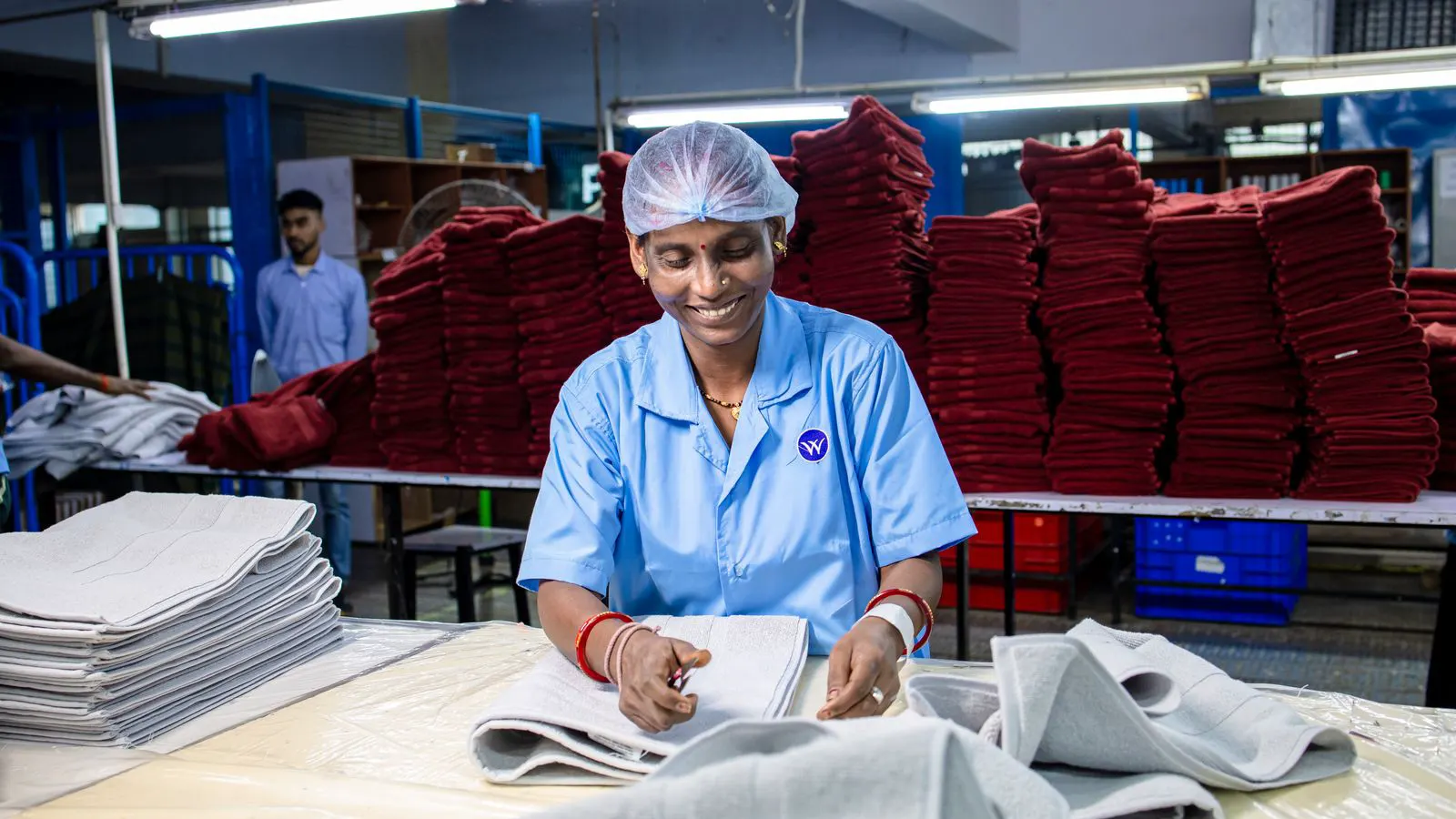

Curtains & Upholstery
Checklist for Verifying GSM and Weight on Curtain Fabric
Use a structured verification process that includes lab testing, visual inspection, and documentation review to confirm that curtain fabric GSM and weight match
Specs, standards, and sourcing logic for textile buyers.
Buying home textiles requires matching material grades, weave structures, and certification requirements to end-market regulations. This site provides the technical benchmarks buyers need to evaluate supplier proposals, audit quality, and structure cost models.
Readers find clear comparisons of thread counts, shrinkage tolerances, and bath textile absorbency. The content focuses on the variables that affect cost, lead time, and product performance in real production runs.
Start with the stage of the sourcing process you are in.
Explore practical guidance on duvets, sheets, and mattress covers for professional buyers and textile engineers.
Find technical details on absorbency, weight, and construction for bath towels, waffle, and other bath textiles.
Learn about fabric selection, light filtering, and durability for curtains, drapes, and upholstery textiles.
Understand cotton, linen, and blended fabrics, thread count, and weave types used in home textiles.
Review common certifications, testing parameters, and compliance requirements for home textile products.
Get practical insights on price factors, minimum order quantities, and cost structures for home textiles.
Use this guide to evaluate suppliers, verify capabilities, and manage relationships for home textiles.
Use a structured verification process that includes lab testing, visual inspection, and documentation review to confirm that curtain fabric GSM and weight match

To test towel absorbency before purchase, use the water drop method, compare GSM and pile height, and check the weave type. A practical check involves measuring time to
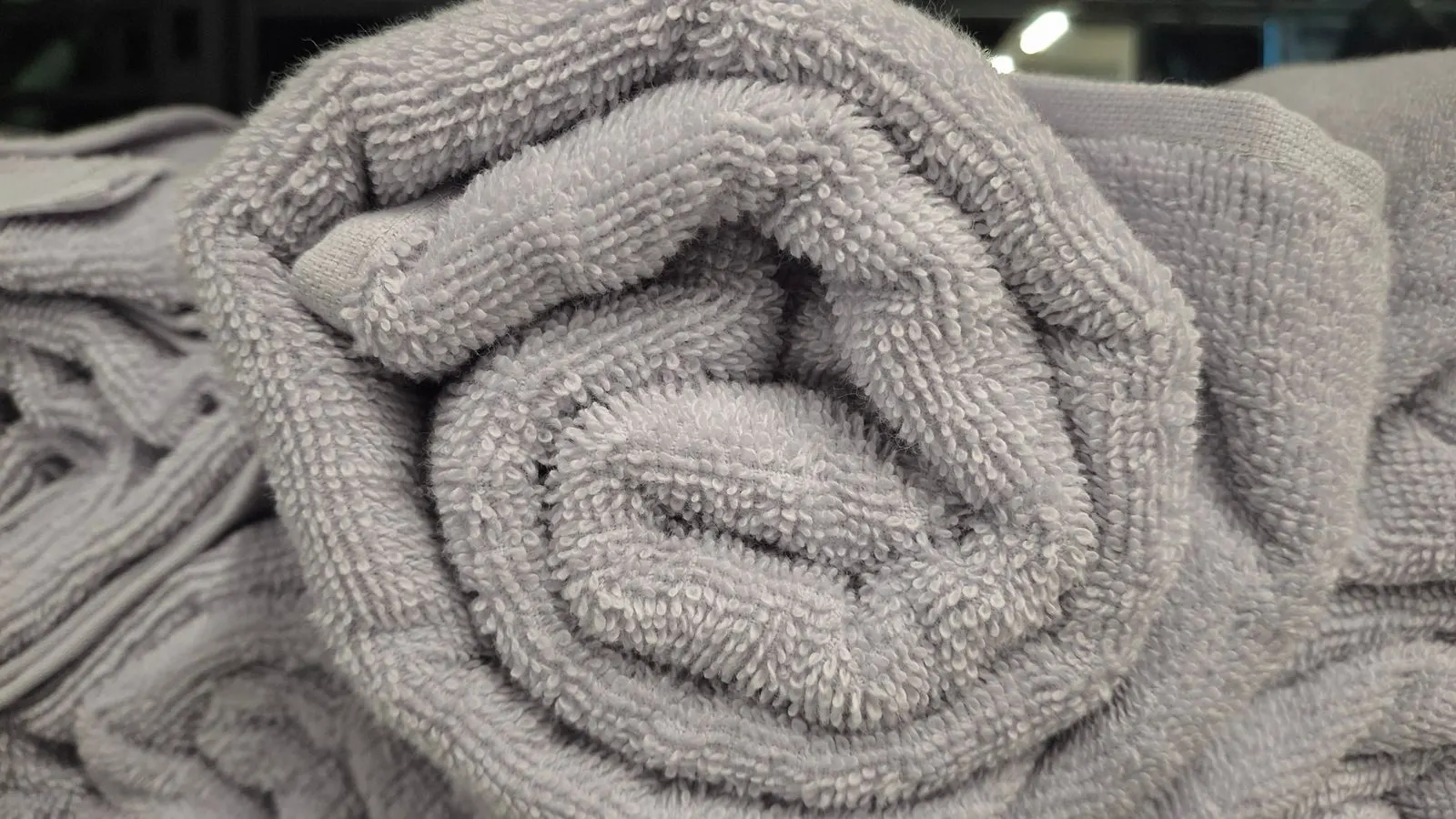
Towel sourcing costs vary by origin based on fabric weight, labor, and shipping. Lead times depend on factory capacity and port congestion. Compare quotes using

Failed colorfastness to rub tests usually stem from weak fixation, incorrect dye chemistry, or poor washing. Fix the root cause during production sampling, rerun the
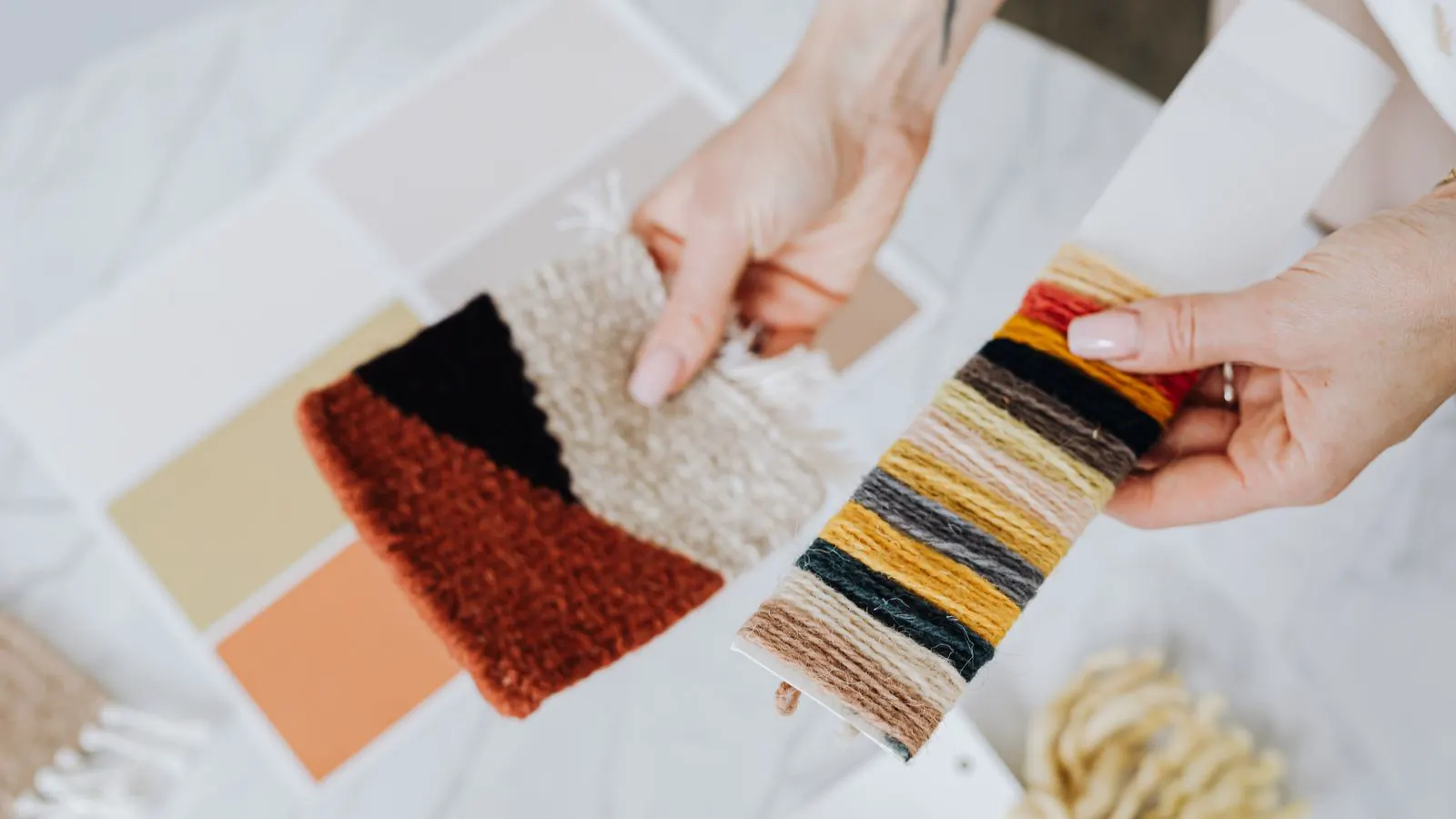
To verify linen fabric weight and GSM for drapes, weigh a standardized 10 by 10 centimeter sample and divide the mass by the area. This method provides a reliable metric
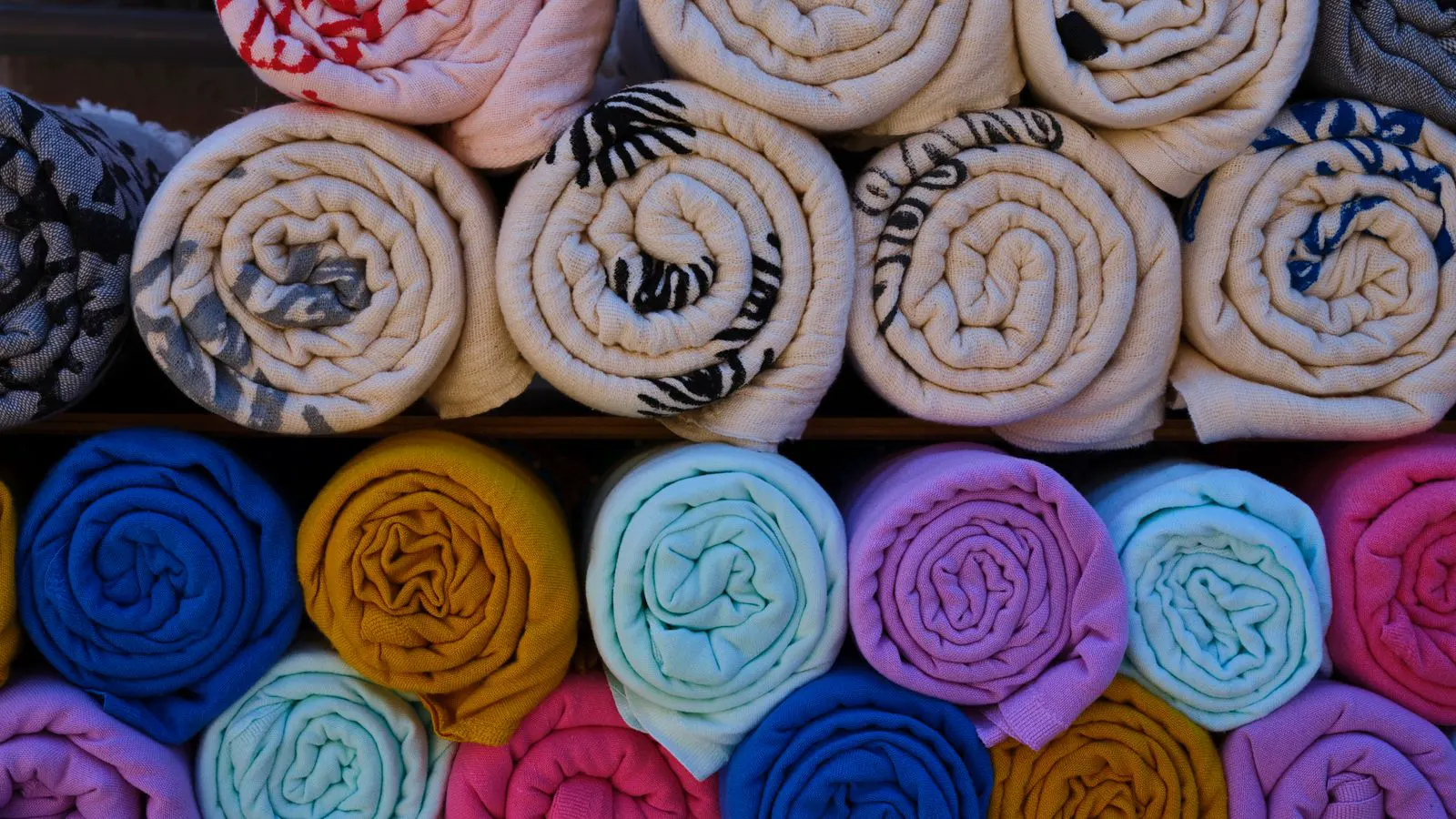
Commercial upholstery requires specific durability numbers to prevent early failure. Procurement managers must request a minimum upholstery rub count based on Martindale
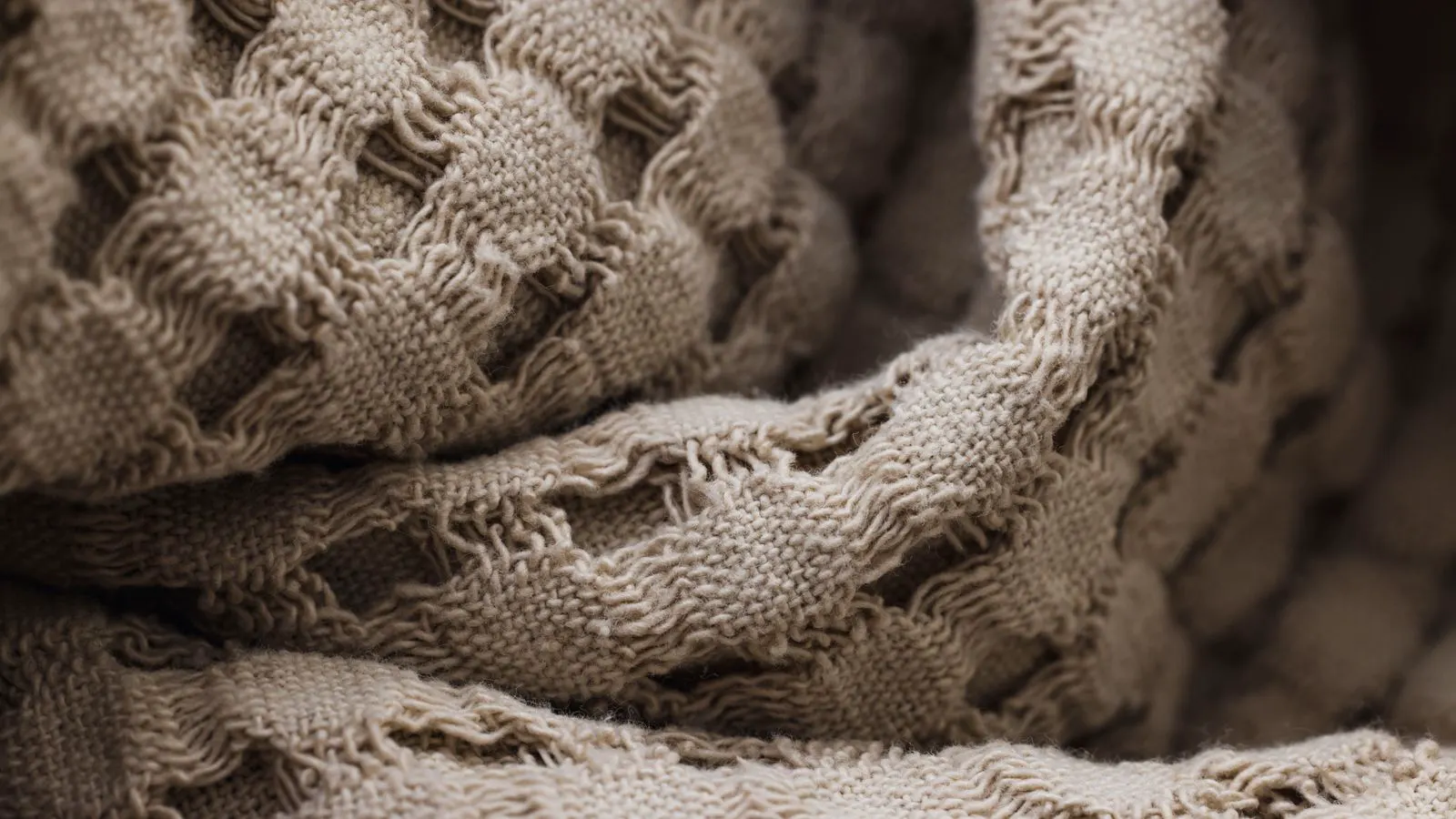
A buyer's guide to home textile pricing covers cost factors, supplier criteria, and budgeting steps. It explains how to compare quotes, assess quality against cost, and
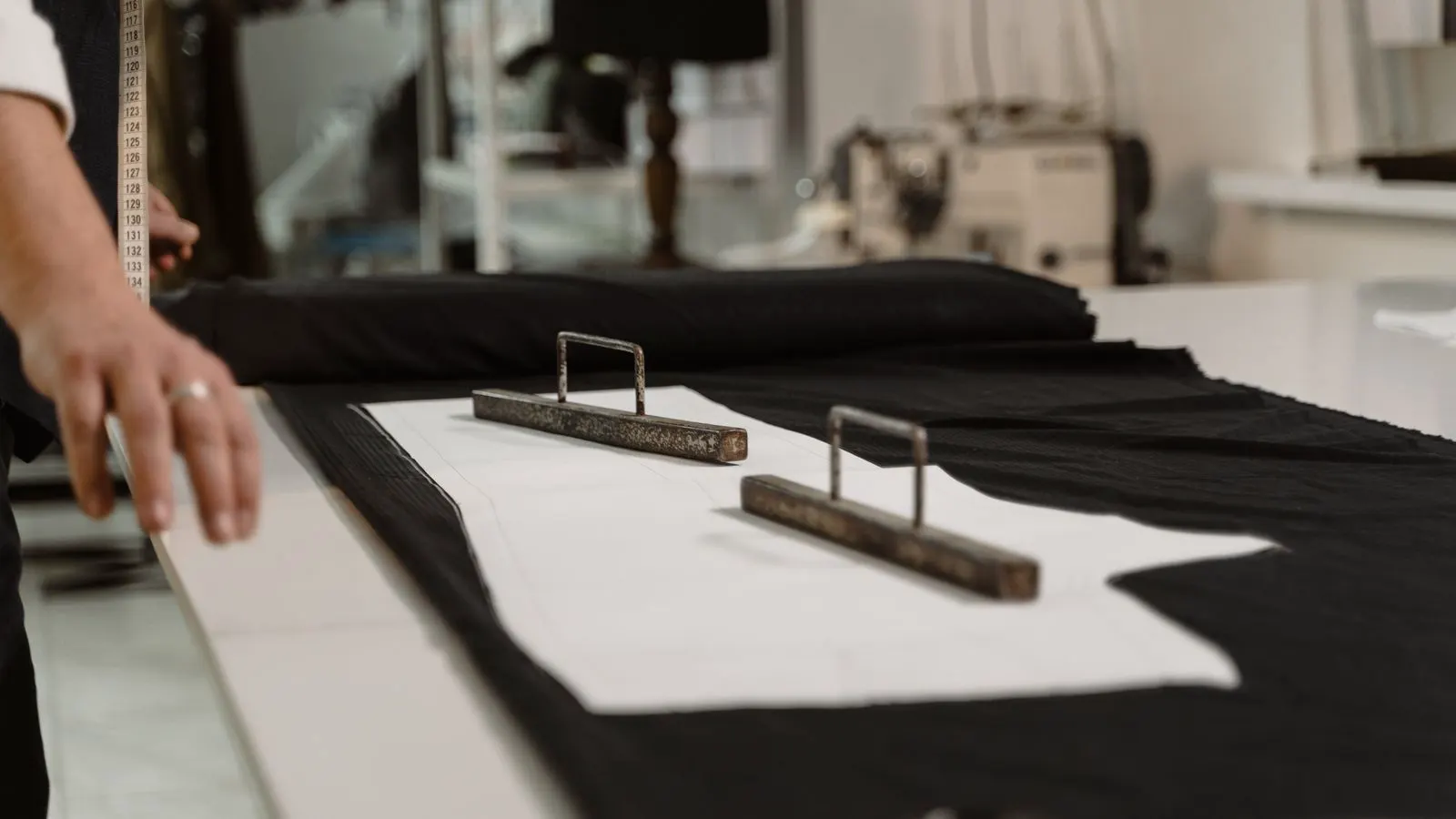
To calculate curtain yardage for multi-panel hotel curtains, determine the finished width per panel, multiply by the number of panels, and adjust for fabric width and
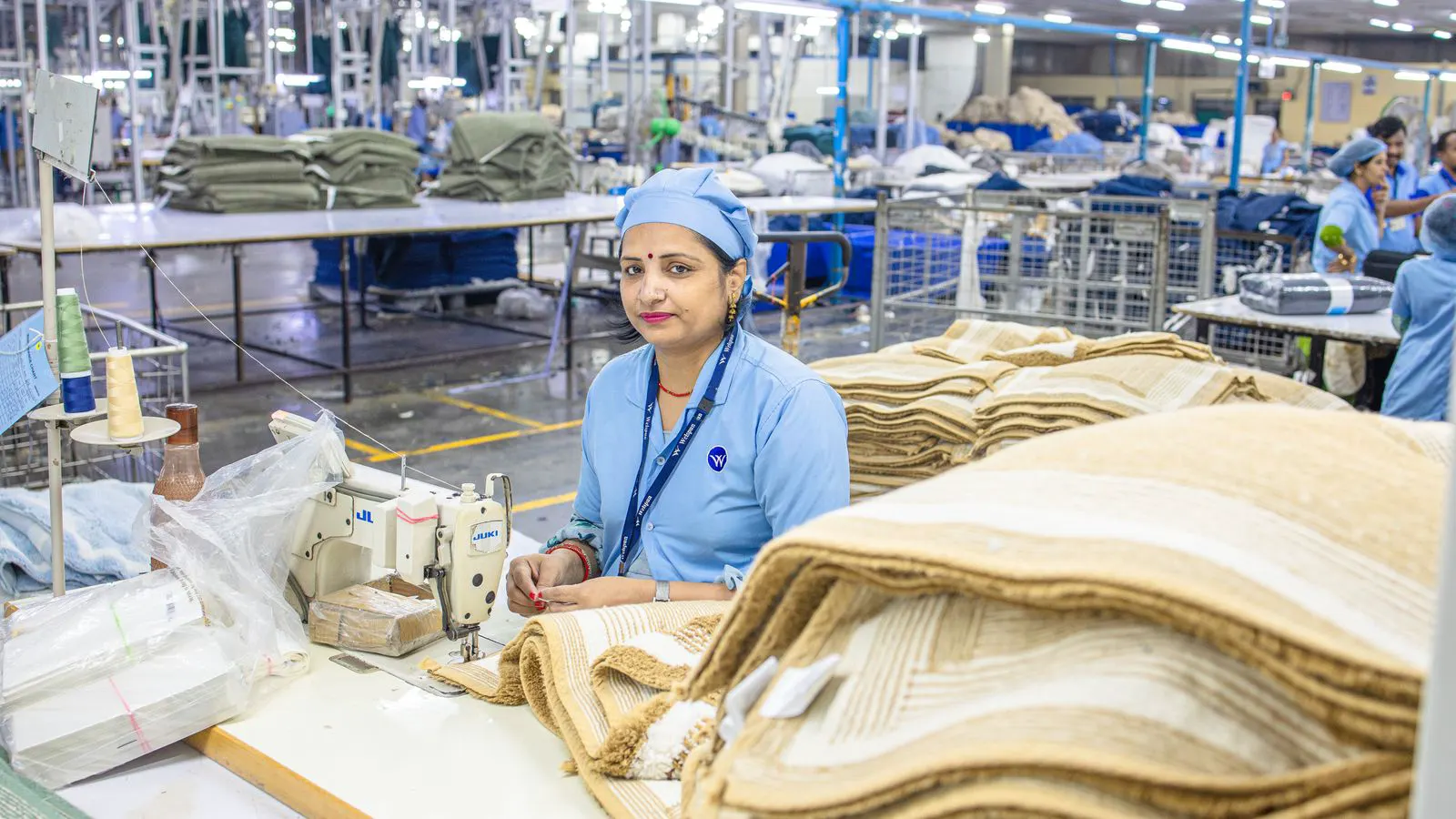
A textile supplier cap sets the maximum output a mill can produce within a fixed period. Supplier verification confirms this limit through capacity audits, raw material
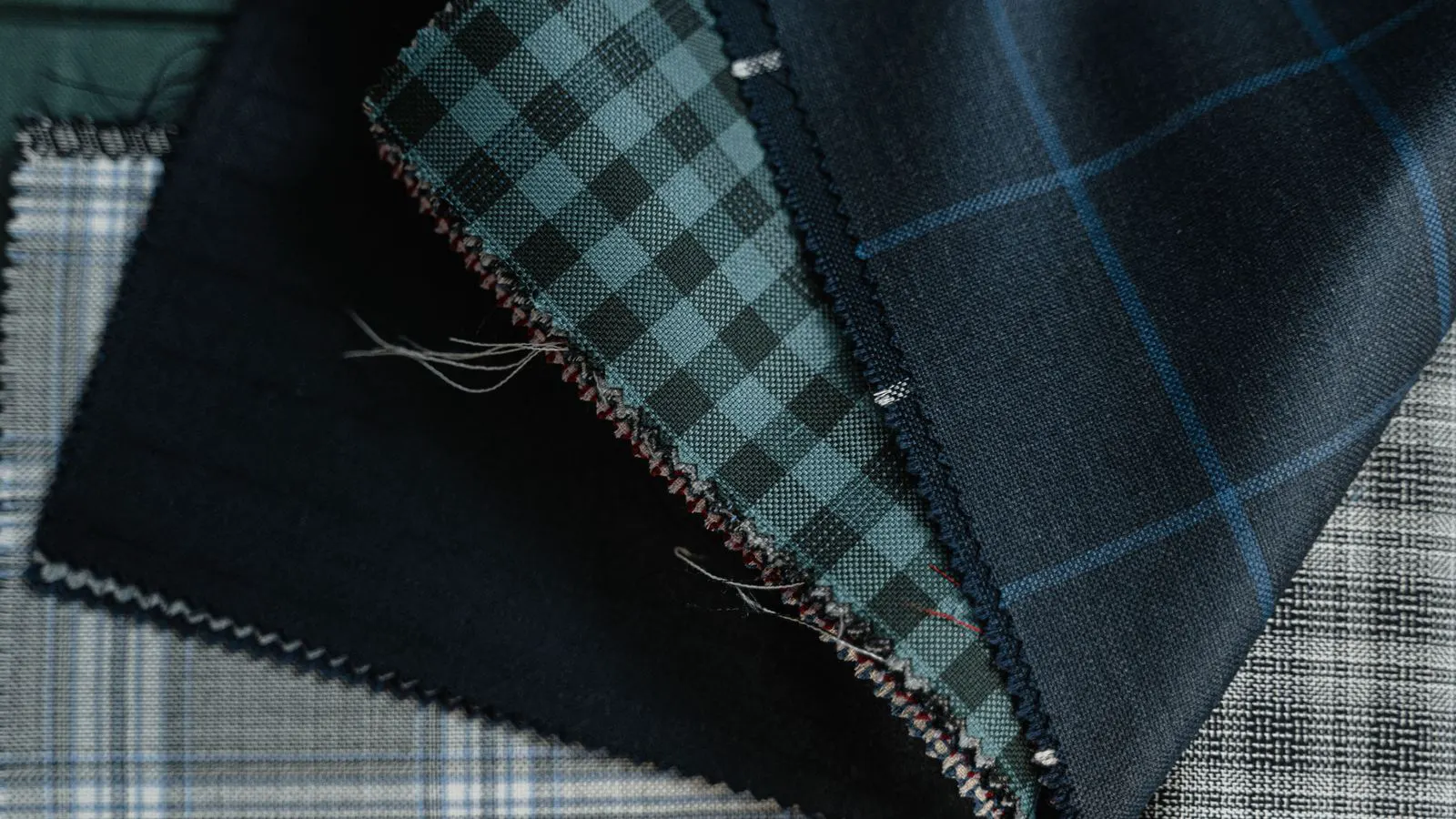
Upholstery grade refers to fabric performance standards for wear and light resistance. It determines suitability for high-traffic furniture and long-term color
Request a third-party lab report that measures the warp and weft thread density per inch. Cross-reference the report against the supplier's internal quality control logs to ensure the sample tested matches the bulk production.
Requirements vary by destination market. Common standards include Oeko-Tex for chemical safety and fire resistance labels for commercial or hospitality use. Always check the specific regulations of your target country before placing an order.
Higher thread counts generally increase material cost and may improve hand feel, but they do not automatically mean better durability. A tightly woven 200 count cotton percale can outlast a loosely woven 300 count sateen if the fiber quality is superior.
Industry practice typically allows for 4 to 6 percent shrinkage after washing. Specify this in your technical data sheet and request the supplier to provide shrinkage test results from a recent production lot.
Evaluate the minimum order quantity against your production run size and storage capacity. Lower MOQs often result in higher per-unit costs due to setup fees, so calculate the total landed cost rather than just the fabric price.
Samples are produced for approval and may use different dye lots or weave settings than the bulk order. Always require a pre-production sample from the actual production line to verify color, weight, and dimensions before finalizing the contract.