Buyer's Guide: Selecting a Reliable Weave Mill for Hotel Linens
Use technical specs, sample tests, and factory audits to find a supplier capable of stable hotel linen production. This guide outlines the key criteria for building a dependable supplier relationship with a weaving mill.
- Define exact technical specifications for thread count, fabric weight, and finishing standards before contacting mills.
- Request samples from multiple sources and run your own quality tests before committing to long-term production.
- Prioritize suppliers with transparent factory audits, stable lead times, and clear communication protocols.
- Build a supplier relationship on regular performance reviews, not just initial pricing agreements.
Start with the Technical Specification
A reliable weaving mill needs a clear technical brief to quote accurately and produce consistently. Before you contact any supplier, define the exact fabric construction. This includes thread count, thread weight, thread type, weave structure, and finished fabric weight. For hotel linens, this means specifying whether you need sateen, percale, or terry cloth. You must also state the fiber content, such as 100 percent cotton or a cotton linen blend.
Include the finishing requirements in your brief. Hotels require specific shrinkage limits, colorfastness grades, and pilling resistance. If you need OEKO-TEX Standard 100 or GOTS certification, state that clearly. Vague specifications lead to expensive rework and delays. A detailed technical data sheet prevents misunderstandings between your design team and the mill’s production floor.
When you send a request for quotation, attach the technical data sheet. Ask for a formal quotation that breaks down material costs, labor costs, and finishing fees. This transparency helps you compare offers from different regions and identify hidden charges. It also sets a baseline for future price negotiations.
Evaluate Raw Material Sourcing
The quality of the finished linen depends heavily on the raw cotton or fiber source. Ask the supplier about their yarn sourcing strategy. Do they source from specific regions? Do they have multiple suppliers for yarn to ensure supply continuity? A dependable textile supplier will have a stable supply chain for their primary fiber.
Inquire about the yarn lotting process. Consistent color and weight across production lots are critical for hotel linens. If one lot of yarn differs slightly in weight, it can cause a visible band in the finished sheet. The mill should use lotting systems that blend fibers from different bales to create uniform yarn. Ask how they manage dye lots if you are ordering colored linens.
You can request a sample of the raw yarn for your own testing. Check the twist count and the strength of the yarn. Weak yarn will break on the loom and create weak points in the fabric. A strong supplier will provide documentation on their yarn quality control. Look for reports on micronaire count for cotton yarns. This measurement indicates fiber fineness, which affects the softness and durability of the final linen.
Run Sample Tests and Factory Audits
Never commit to a long-term contract based on initial samples alone. Request a sample that has gone through the full production process, including weaving, washing, and finishing. This is a critical step in finding a supplier who can handle your quality standards.
Send the samples to a third party lab for independent testing. Test for colorfastness to washing, colorfastness to rubbing, pilling resistance, and shrinkage. These tests reveal issues that visual inspection might miss. For example, a fabric may look white but bleed slightly during the first hotel laundering cycle. A good supplier will support these tests and provide the necessary documentation.
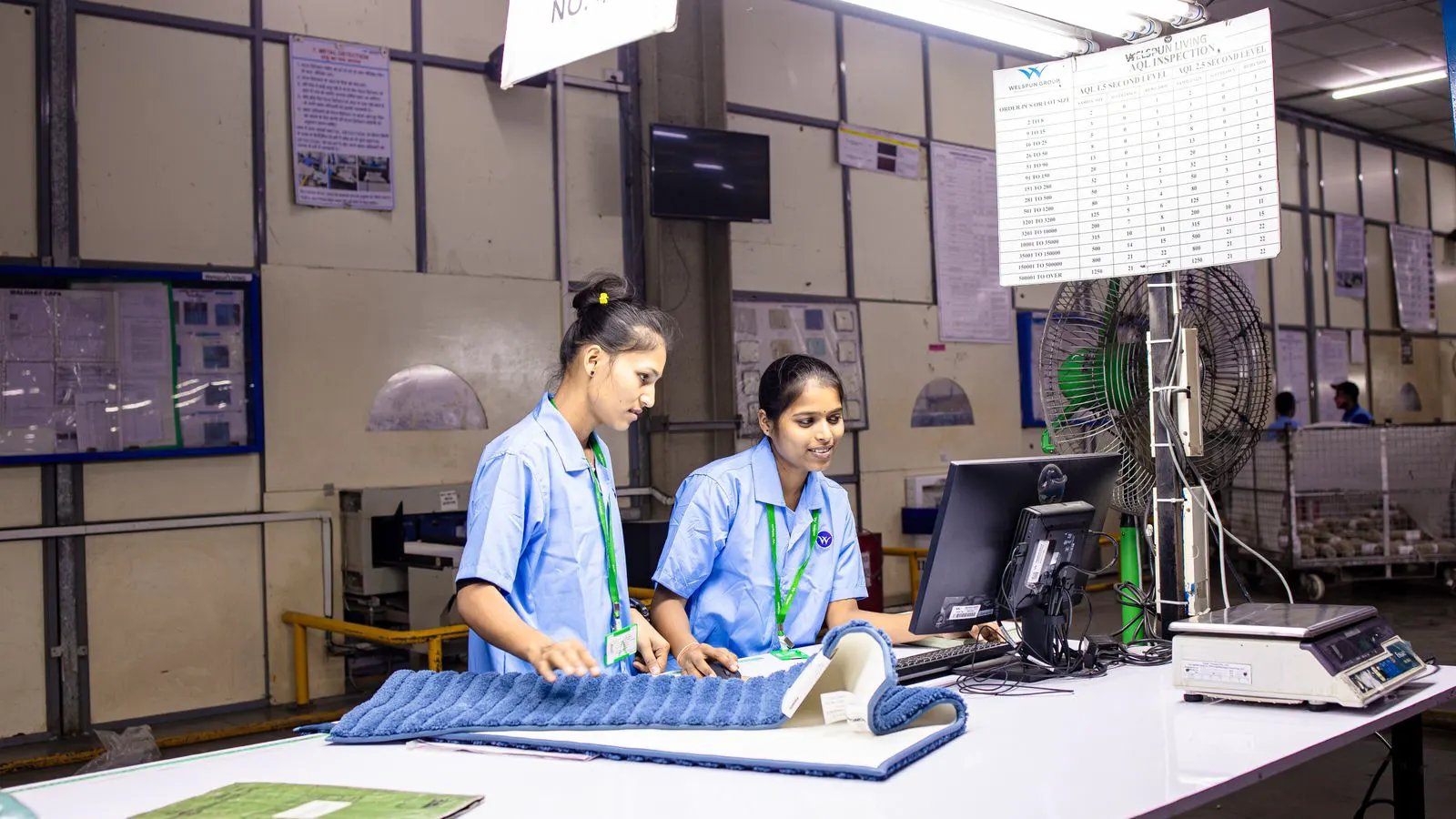
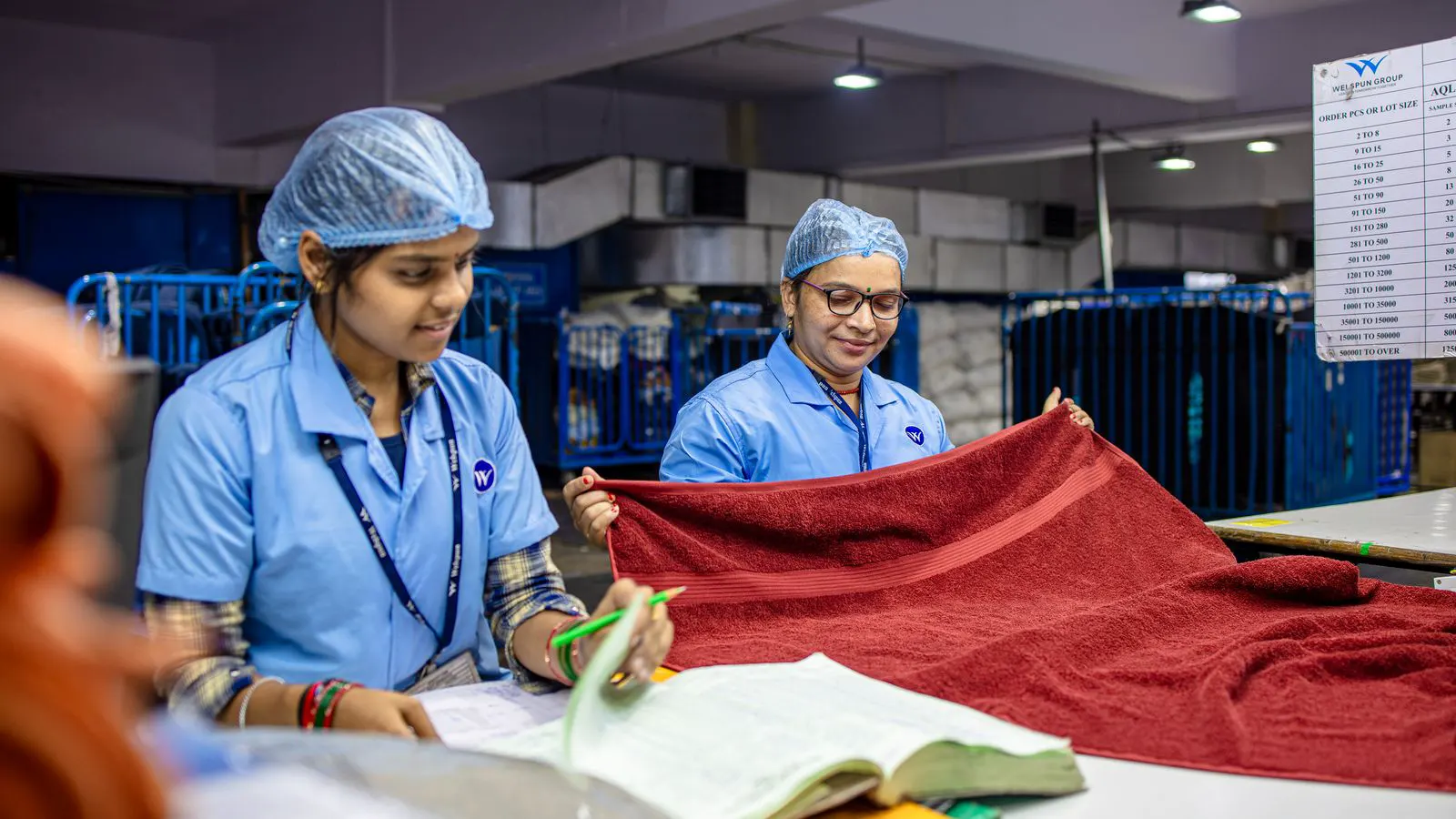
Conduct a factory audit or hire a third party to do it. Evaluate the mill’s production capacity, machine maintenance schedule, and quality control stations. Look for a dedicated quality control room where finished fabric is inspected under standardized lighting. Check if the mill has a documented quality management system. A supplier with a strong audit trail can explain their processes and provide corrective action plans when issues arise.
Assess Production Capacity and Lead Times
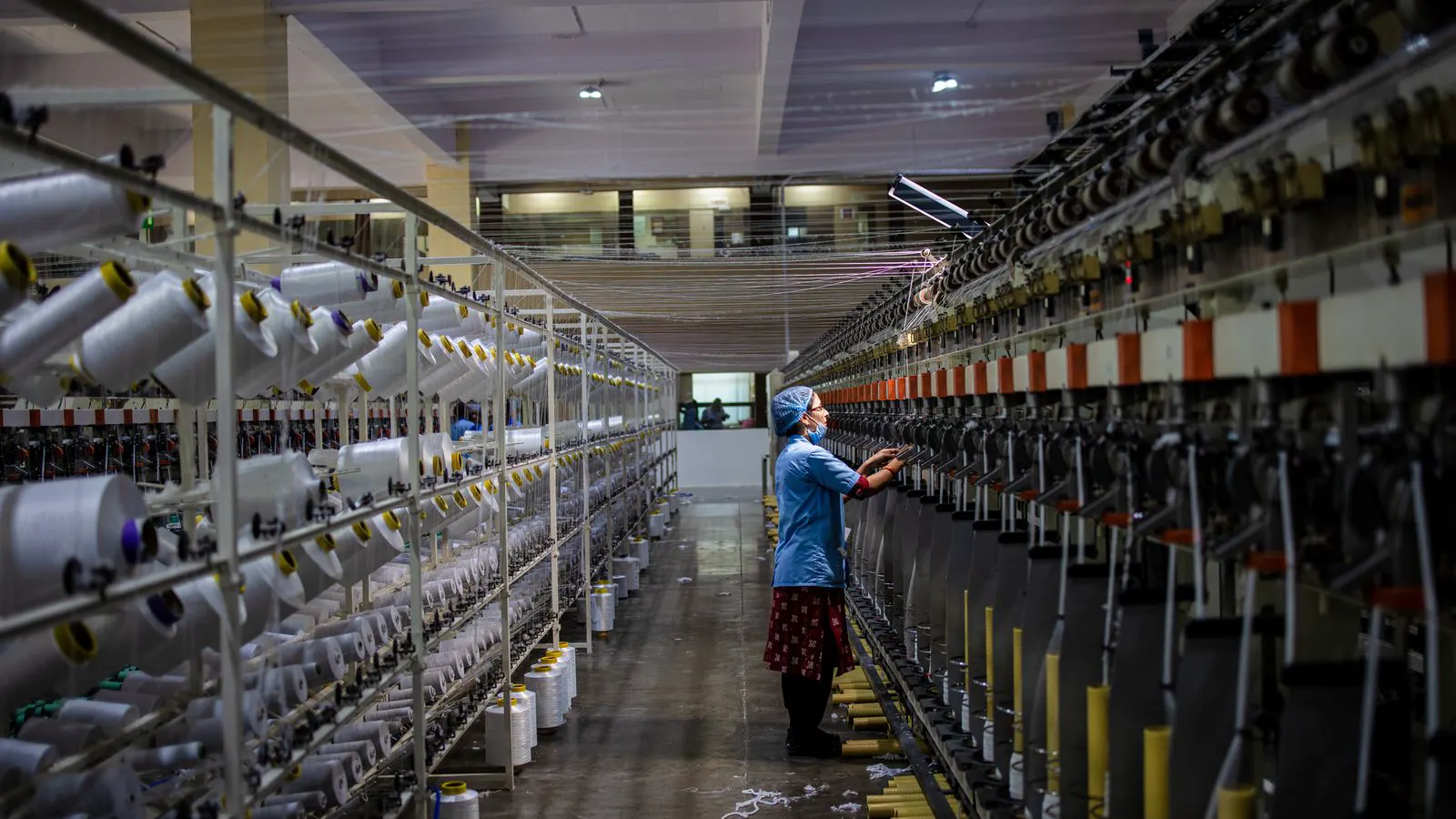
Understand the mill’s actual production capacity. Ask how many meters of your specific fabric they produce weekly. If they are already at full capacity with other clients, your order may be delayed. A supplier with excess capacity can accommodate rush orders or design changes.
Discuss lead times in detail. A reliable textile supplier will provide a clear production schedule. This includes the time for yarn delivery, weaving, and finishing. For hotel linens, finishing often takes longer than weaving. Ask if they have their own finishing line or if they outsource this step. Outsourcing can introduce additional lead time and quality control risks.
Negotiate a buffer time into your contract. If your hotel renovation is scheduled for a specific date, build in two to four weeks of extra lead time. This protects you from supply chain disruptions. Ask about their contingency plans. What happens if a machine breaks down? What happens if a yarn shipment is delayed? A dependable supplier will have protocols in place to minimize downtime.
Review Communication and Compliance
A strong supplier relationship depends on clear communication. Test the supplier’s responsiveness during the sample phase. Do they reply to emails within a few hours? Do they provide proactive updates on production progress? Poor communication at the sample stage often becomes worse during production.
Check their compliance with labor and environmental standards. Many hotel brands require their suppliers to meet specific ethical standards. Ask for their most recent third party audit reports. Look for transparency in their wage and working hour policies. A supplier who hides compliance issues will create legal and reputational risks for your brand.
Establish a regular meeting cadence. Schedule monthly or quarterly business reviews to discuss quality metrics, lead time performance, and cost trends. These meetings keep both teams aligned. They also surface small issues before they become major problems. A supplier who participates in these reviews is invested in the long term partnership.
Compare Pricing and Payment Terms
Do not choose a supplier based on price alone. A low quote may hide low quality or hidden fees. Compare the total cost of ownership. This includes the fabric price, testing costs, shipping, and potential rework costs. A slightly higher price from a reliable mill often saves money in the long run.
Review the payment terms carefully. Standard terms often include a deposit and a balance upon shipment. Ask if the supplier offers net terms or credit. A supplier with strong financial health will be open to reasonable credit terms. Be cautious of suppliers who demand full prepayment for large orders.
Ask about price validity. Raw material prices fluctuate. A good supplier will offer a fixed price for a certain period or a price adjustment mechanism tied to raw material indices. This protects you from sudden cost increases during your order cycle.
| Criterion | What to look for | Why it matters |
|---|---|---|
| Technical Fit | Exact match to your specs for weight, weave, and finish | Prevents production errors and quality rejections |
| Sample Consistency | Uniform color and weight across multiple sample lots | Ensures stable output for large hotel orders |
| Factory Audit | Clean recent audit with documented corrective actions | Reduces legal and reputational risk for your brand |
| Lead Time | Clear schedule with buffer for delays | Protects your hotel opening or renovation dates |
| Compliance | Valid OEKO-TEX or GOTS certificates and labor reports | Meets brand sustainability and ethical standards |
Make the Final Decision
Use the criteria above to score each potential supplier. Assign a weight to each criterion based on your specific priorities. If your hotel brand has strict sustainability goals, weight compliance and fiber sourcing higher. If your main concern is opening a new property on time, weight lead time and capacity higher.
Shortlist two to three suppliers. Do not rely on just one. Having a backup supplier reduces risk. Run a trial order with the top candidate. This order should be small enough to manage but large enough to test the full production line.
After the trial order, review the performance. Check the fabric against your original technical data sheet. Did it pass the lab tests? Was the lead time as promised? Was the communication clear? If the trial order succeeds, move to a long term contract. If it fails, identify the specific failure points and decide if the supplier can fix them.
Decision Checklist
- Technical specifications are defined and attached to all quotations.
- Raw yarn sourcing and lotting methods are documented by the supplier.
- Full production samples have passed independent lab testing.
- Factory audit is completed and shows no critical labor or safety issues.
- Production capacity and lead times are confirmed for your order volume.
- Compliance certificates are current and verifiable.
- A trial order has been produced and meets all quality standards.
- A backup supplier is identified and has passed initial screening.
Frequently asked questions
How many suppliers should I work with for hotel linens?
Work with at least two primary suppliers to reduce risk. This setup provides a backup if one mill faces a production delay or quality issue. It also gives you use in pricing negotiations.
What is the biggest mistake in finding a supplier?
The most common mistake is skipping independent lab testing on samples. Visual inspection is not enough. Fabric that looks good on the bolt can fail during the first hotel laundering cycle.
Do I need to visit the factory?
A physical visit is helpful but not always required. A thorough third party audit with video documentation can serve the same purpose. If the supplier resists any form of audit, that is a red flag.
How often should I review the supplier relationship?
Review performance at least once per quarter. Check quality metrics, lead time adherence, and cost trends. Regular reviews catch small problems before they become major delays or defects.
Can I switch suppliers if the quality drops?
Yes, but it takes time. Building a new supplier relationship requires sample testing and a trial order. If the current supplier cannot fix the issue within a short timeframe, start the switch process immediately.