Cost and Lead Time: Sourcing Blended Upholstery Fabrics from Asia
Sourcing blended upholstery fabrics from Asia requires balancing cost against delivery risk. A structured supplier evaluation compares pricing drivers, production capacity, and logistics. Clear RFQs and standardized comparison sheets reveal hidden costs and identify partners with stable lead times.
- Price depends on yarn blend, dyeing, finishing, and minimum order quantity, not just unit cost.
- Lead time varies based on production slot, quality checks, and export documentation.
- A clear RFQ with technical specs reduces quote variance and improves fair comparison.
- Establishing a supplier relationship with regular orders improves pricing and delivery stability.
Blended Upholstery Fabrics: A Complete Sourcing Guide
Blended upholstery fabrics combine cotton, polyester, or nylon with other fibers to balance comfort, durability, and cost. Asian manufacturers dominate this market, but sourcing decisions often focus too narrowly on unit price. A complete supplier evaluation includes delivery reliability, quality control, and long-term capacity.
What Drives the Unit Price of Blended Fabrics?
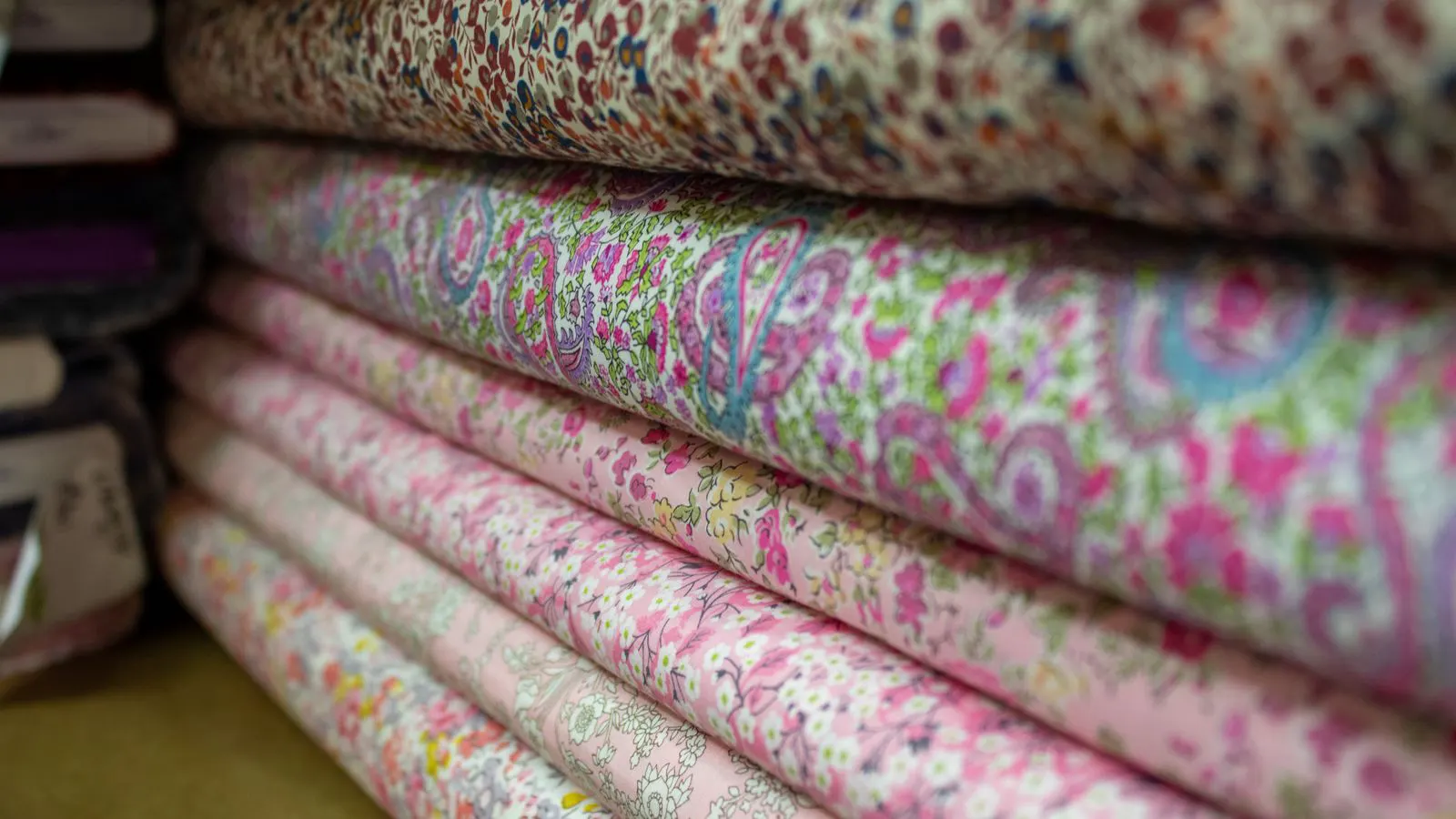
Yarn selection is the largest cost factor. Cotton content increases material cost compared to polyester or acrylic blends. The yarn count matters too. Finer counts require slower spinning and often yield higher prices per meter. A 18 count cotton yarn typically costs more per kilogram than a 24 count equivalent. This difference propagates through the finished fabric. If you specify a high-density cotton blend for commercial seating, expect the yarn cost to dominate the bill of materials. Conversely, if you are sourcing a polyester blend for residential cushions, the material cost is lower, but you must compensate for durability through finishing.
Dyeing and finishing add significant cost. Reactive dyes require more water and chemicals than acid dyes. Dark colors and complex patterns cost more to produce than solid light shades. A deep indigo or black shade requires multiple dyeing cycles to reach the required depth and fastness. Each additional bath adds labor, water, and energy costs. Complex patterns, such as multi-color jacquards or digital prints, increase the complexity of the dyeing process. Digital printing allows for intricate designs but involves higher per-meter costs for the initial setup and ink usage.
Finishing processes also affect price. Upholstery fabrics need specific treatments for durability and appearance. Flame retardant treatments add cost. Anti-static finishes, stain repellents, and specific hand-feel treatments each add steps to the production line. For commercial projects, flame retardant certification is often mandatory. The type of retardant used varies by region and building code. Some require specific testing protocols, which adds time and cost to the finishing stage. A fabric with a high-quality stain repellent finish may cost 15 to 20 percent more than a standard finish, but it extends the service life of the upholstery.
The minimum order quantity sets the production floor. Smaller orders cost more per meter because the factory cannot spread setup costs over a larger run. Standard bulk sizes usually offer better pricing than custom widths or short runs. Most factories have standard width options, typically 54 inches or 58 inches. Custom widths require loom adjustments and often result in more waste during weaving. If you can adjust your design to fit standard widths, you reduce waste and improve pricing. Short runs, such as 100 to 500 meters, carry a premium because the factory must changeover from other clients.
| Cost Driver | Impact on Price |
|---|---|
| Yarn Blend | Cotton and specialty fibers cost more than polyester |
| Dyeing Process | Reactive dyes and dark colors increase cost and time |
| Finishing | Flame retardant and stain repellent treatments add cost |
| Order Quantity | Small batches cost more per meter than bulk runs |
| Pattern Complexity | Multi-color jacquards are expensive versus solid weaves |
How Lead Time Differs from Production Time
Lead time includes everything from order confirmation to delivery at your dock. It is not just the time on the loom.
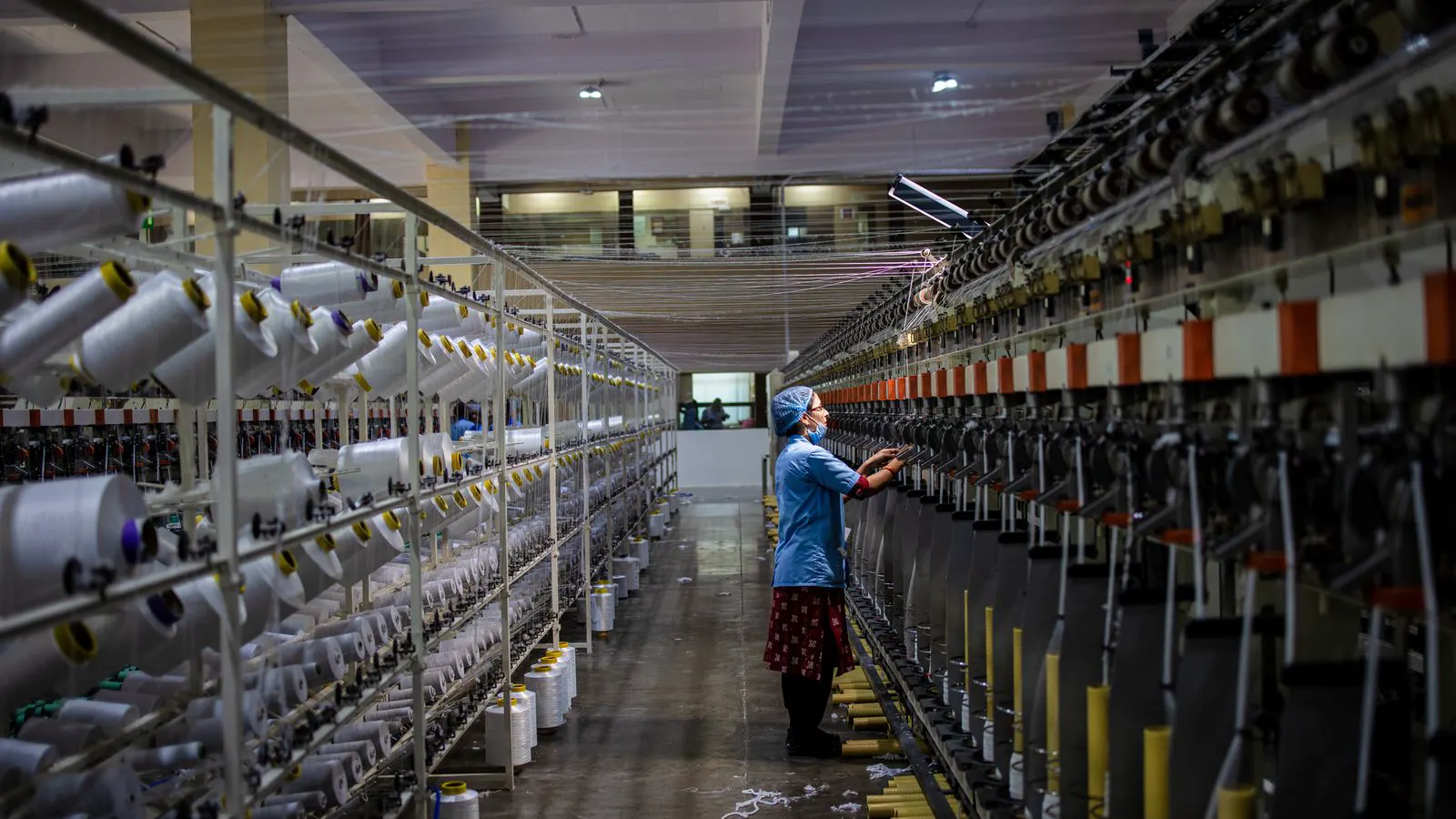
Production time depends on the fabric type. Plain weaves produce faster than jacquards. Upholstery fabrics often require additional drying and pressing cycles. A factory might quote 15 days for production but 45 days for total lead time.
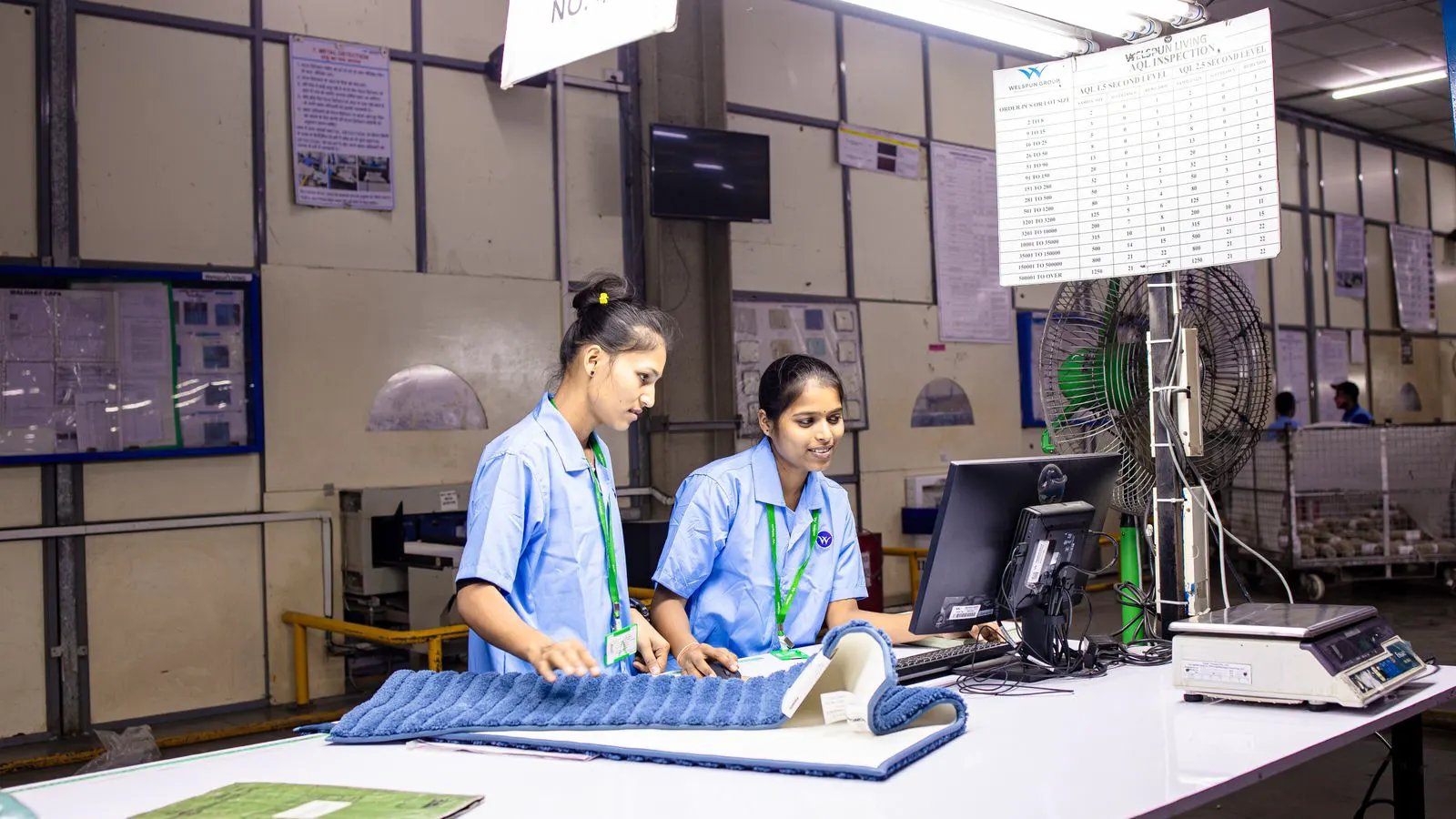
Quality control adds days. Sampling takes time before bulk production. In-line checks and final inspection require staff and time. If your specifications require a third-party inspection, add another week to the schedule.
Export documentation and logistics are often underestimated. Customs clearance, freight booking, and port congestion affect arrival. A supplier with good production but poor logistics documentation will deliver late regardless of factory speed.
How to Write a Clear RFQ That Reduces Cost
A vague request produces a vague quote. A detailed RFQ reduces the gap between supplier expectations and your requirements.
Start with the technical specification. List fiber content, weight, width, and shrinkage tolerance. Include the intended use. Upholstery for commercial seating requires different durability testing than residential use.
Specify color references. Send physical swatches or Pantone codes. Digital images do not match fabric colors. If you require a specific hand feel, describe it with a reference fabric.
State the order quantity and delivery terms. Incoterms matter. EXW, FOB, and CIF change who handles freight and insurance. Clarify who pays for customs and port fees.
Request the quotation to include breakdown. Ask for yarn, dyeing, finishing, and freight as separate line items. This makes it easier to compare quotes and identify where costs can be optimized.
How to Compare Quotes for Fairness
Do not compare a low price against a high price without checking the details. A 10 percent lower price may come from a lower yarn count or less finishing.
Use a standard comparison sheet. List each quote on the same row. Columns should include unit price, total cost, lead time, payment terms, and minimum order quantity.
Check the quality guarantees. Does the quote include a defect rate guarantee? What is the process if the fabric fails inspection? A supplier with no quality clause is a higher risk, not a cheaper one.
Review the payment terms. Prepayment of 100 percent increases your risk. A balance against shipping documents is standard. A supplier willing to offer better payment terms often has better financial stability.
How Supplier Relationship Affects Cost and Delivery
The first order is the hardest to manage. A stable supplier relationship changes the economics.
Regular orders allow the factory to plan production. They can keep your specific yarn and dye stock ready. This reduces lead time and avoids rush charges.
Consistent volume gives you pricing power. A supplier with a long-term contract can offer better rates than one with sporadic small orders. The factory knows your specs and can optimize the production run.
Communication improves over time. You learn which factory manager handles your account. You understand their production bottlenecks. You can plan orders around their capacity peaks.
A supplier relationship is a two-way street. You must provide clear information and respect their processes. If you constantly change specs or rush orders, the cost will rise.
How to Verify Supplier Capability Before Committing
Do not trust a quote without checking the facility. A virtual audit or site visit is necessary for major upholstery projects.
Check the yarn source. Does the factory buy yarn from a reputable mill or use unknown domestic sources? Yarn quality determines the final fabric.
Inspect the dyeing and finishing lines. Look at the water treatment system. Poor dyeing equipment creates color variation and high defect rates.
Review the quality lab. Do they have a colorimeter for shade matching? Do they test for pilling, abrasion, and color fastness? A basic lab is a red flag for upholstery fabric.
Check the export history. Ask for reference customers in your region. Request a sample of their past work. Verify that the fabric they produced meets your durability requirements.
How to Manage Risk During the Sourcing Process
Sourcing blended upholstery fabrics from Asia carries specific risks. The most common is quality inconsistency between batches.
Require a pre-production sample. The sample must be produced using the same yarn and dye lot as the bulk order. If the sample is made with different materials, it does not represent the bulk fabric.
Use third-party inspection. A quality control firm can inspect the fabric at the factory before shipment. This catches defects that the supplier might miss.
Build buffer into your schedule. Do not plan production around the quoted lead time. Add a buffer for customs, freight, and quality checks. A 10 percent buffer is standard for complex textiles.
Maintain a backup supplier. If one factory fails, you need another ready. A supplier evaluation process should always include a secondary source for critical projects.
The goal is not the lowest price. The goal is the total cost of ownership. A slightly higher price with reliable delivery and consistent quality protects your project margin. A low price with late delivery and defects destroys it.
A clear supplier evaluation framework separates these variables. It forces you to look at the whole picture. It turns a risky transaction into a managed partnership.
Frequently asked questions
How do I know if a supplier's lead time is realistic?
Check if the quote includes production, quality control, and export time. Ask for a breakdown of each stage. Compare it with similar orders from other suppliers.
What is the biggest hidden cost in textile sourcing?
Freight and customs clearance are often hidden. The unit price looks low, but the total landed cost is higher. Always request the total cost, not just the fabric price.
Can I get a lower price by ordering in smaller batches?
No. Smaller batches cost more per meter. The factory spreads setup costs over fewer units. Order in bulk to get the best unit price.
How do I handle a supplier who changes the yarn source?
Contractually lock the yarn supplier or require written approval for any change. If they switch to a cheaper yarn, the fabric quality will drop.
What payment terms are standard for Asian textile suppliers?
30 percent deposit and 70 percent balance against shipping documents is common. Avoid 100 percent prepayment unless you have a very strong relationship.