Buying Guide to Blended Fabric Weaves for Upholstery
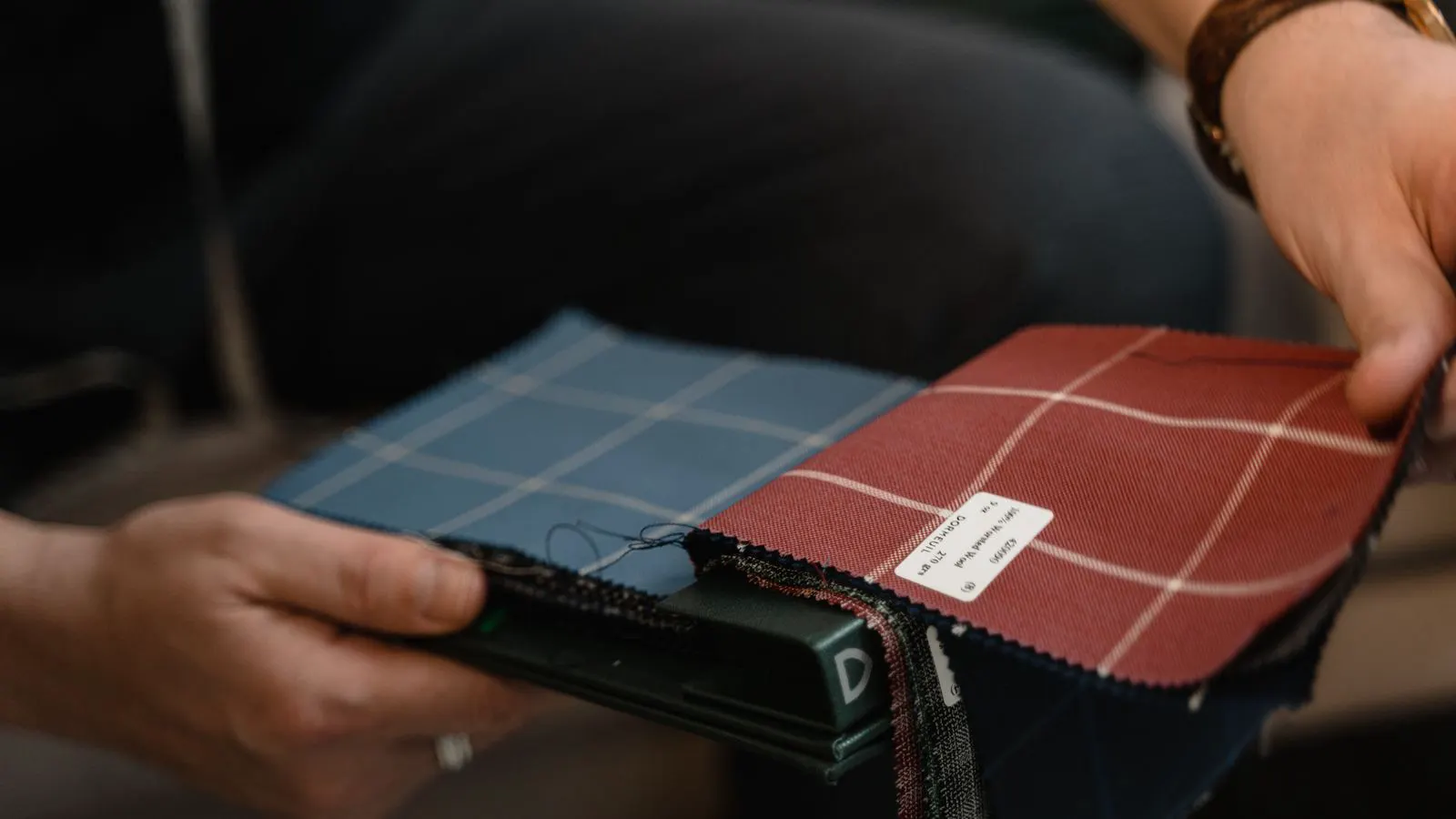
Choosing the right fabric composition for upholstery requires balancing durability, aesthetics, and maintenance. This guide explains how to evaluate blended textiles by analyzing fiber content, weave structure, and performance ratings to ensure long-term satisfaction.
- Select fiber blends based on the specific wear zones and maintenance requirements of the upholstery piece.
- Verify performance ratings for abrasion and pilling, as visual appearance alone does not indicate long-term durability.
- Test fabric samples under natural light to assess colorfastness and texture consistency before finalizing the order.
- Prioritize cleanability and stain resistance for high-traffic areas where spills or dirt accumulation is likely.
- Review the supplier's care instructions and warranty terms to align expectations with actual usage conditions.
Why Fiber Blends Dominate Upholstery Selection
Upholstery fabric selection has shifted away from single-fiber solutions toward engineered blends. Professional buyers now prioritize fabric composition that balances cost, durability, and aesthetic control. A pure cotton or wool weave may look elegant but often fails in high-traffic commercial settings due to abrasion and pilling. Blended fabrics solve this by combining natural fibers with synthetic or semi-synthetic materials to create a textile that withstands daily use.
The core challenge is evaluating the specific blend ratio. A 50/50 cotton-polyester mix performs differently than a 65/35 cotton-poly blend. The percentage of each fiber dictates how the fabric drapes, how it recovers from compression, and how it reacts to cleaning agents. Buyers must look beyond the marketing label and understand the mechanical properties of each component in the mix.
In practice, the selection process begins at the mill level. A buyer requesting a “cotton blend” without specifying the exact ratio often receives inconsistent results across production runs. Polyester is a standard filler fiber because of its strength and low cost. Nylon offers higher tensile strength than polyester but tends to be more expensive and can feel stiffer. Acrylic is often used in wool blends to reduce cost and improve colorfastness, though it may not match the drape of real wool.
When reviewing a blend specification, check the fiber type first, then the ratio, and finally the yarn construction. A 60/40 cotton-polyester blend using a combed cotton yarn will feel smoother than the same ratio made with a slub cotton yarn. The blend ratio does not tell the whole story. The way the fibers are spun, twisted, and woven determines the final hand feel and performance.
How to Evaluate Abrasion and Pilling Resistance
Abrasion resistance is the first metric to check for any upholstery application. This measures how the fabric surface holds up against repeated friction. For a sofa seat cushion or an office chair armrest, the fabric faces constant rubbing. Blends with higher synthetic content generally offer better abrasion resistance because synthetic fibers like polyester or nylon are stronger and less prone to breaking down than natural fibers.
Pilling resistance is the second key factor. Pilling occurs when loose fibers tangle on the surface, creating small balls. Natural fibers like wool and cotton tend to pill more easily than synthetics. A blend that incorporates a small percentage of nylon or polyester can significantly reduce pilling. When reviewing a sample, run your hand against the grain and then against it. If you feel rough spots or see loose threads immediately, the fabric may not hold up in a busy environment.
A practical test involves using a rough surface, such as a piece of sandpaper or a coarse textile, and rubbing it against the fabric sample in a circular motion. Observe the surface after several repetitions. If the fabric develops a fuzzy halo or visible fuzz, the pilling resistance is low. For high-traffic areas like hotel lobbies or airport seating, look for fabrics with a tight pile or a dense weave that minimizes fiber migration.
Abrasion testing also depends on the direction of friction. In a dining chair, users rub the fabric horizontally. In a sofa seat, the friction is often diagonal or vertical. A fabric that resists horizontal rubbing may fail quickly under diagonal wear. Specify the expected use pattern when requesting test data from a mill. The test conditions must match the real-world application.
The Role of Weave Structure in Fabric Composition
Fabric composition does not operate in isolation. The weave structure amplifies or weakens the properties of the fibers used. A tight twill weave, for example, creates a dense surface that resists dirt accumulation and improves durability. A loose plain weave is easier to clean but offers less protection against abrasion.
When buying blended fabrics for upholstery, inspect the thread count and the density of the weave. A higher thread count usually indicates a denser fabric, which is generally more durable. However, thread count is not the only indicator. A fabric with a medium thread count but a very tight weave structure can outperform a higher thread count fabric that is loosely woven. Always examine the back of the sample. If the back is open or see-through, the fabric will wear unevenly over time.
Weave structure also affects how the fabric recovers from compression. A tight weave holds its shape better after repeated sitting. A loose weave may stretch or distort over time. For sofa cushions, a twill or sateen weave is often preferred because it maintains its form. For curtains or drapery, a looser weave may be acceptable because the primary function is visual and not structural.
Check the selvage and the edges of the sample. A well-constructed fabric has clean, tight edges that do not fray immediately. If the edges unravel quickly, the weave is likely too open for heavy upholstery. The back of the fabric should be consistent with the front. If the back is significantly looser or more open than the front, the fabric may wear through on the underside during use.
Colorfastness and Stain Resistance in Blends
Colorfastness refers to the fabric’s ability to retain its color during washing and exposure to light. Blends can behave unpredictably here. Synthetic fibers tend to hold dye better than natural fibers, but they can also fade under intense UV exposure if not treated properly. Natural fibers may shrink or distort if the blend is not stabilized during manufacturing.
Stain resistance is often added through a chemical finish rather than the fiber blend itself. Many upholstery blends come with a stain-repellent coating. This coating protects the surface until it wears off. Buyers should ask how many wash cycles the coating will withstand. If the fabric is for a restaurant booth or a public seating area, the coating will degrade faster. A fabric with high inherent stain resistance, due to its tight weave and synthetic fiber content, is more reliable than one that relies solely on a surface finish.
When evaluating colorfastness, check for lightfastness and rubfastness. Lightfastness tests exposure to UV light. Rubfastness tests the transfer of dye to other surfaces. For upholstery, rubfastness is often more critical because users may rub their clothing against the fabric. A fabric that fades under light but transfers dye to white shirts is a poor choice for a public setting.
Dyeing methods also matter. Reactive dyes are commonly used for cotton blends and offer good washfastness. Disperse dyes are used for polyester and are generally more lightfast. If a blend contains both fibers, the dyeing process must be compatible with both. Poorly dyed blends may show color migration during the first wash or under heat. Always request a washfastness test result before confirming a large order.
Care Instructions and Maintenance Requirements
The care label is a critical document in upholstery selection. It tells you what the fabric can handle and what it cannot. A blend marked for dry cleaning only limits your maintenance options. If the fabric cannot be spot-cleaned with water-based solutions, spills become a major liability.
Look for fabrics that can be spot-cleaned with mild detergents. This is standard for most commercial upholstery. If the piece is in a hospitality setting, it must be cleanable by staff without specialized equipment. The fabric composition determines which cleaning agents are safe. Acidic cleaners can damage wool blends, while harsh solvents can degrade synthetic fibers. Always test a small, hidden area with your intended cleaning products before applying them to the entire piece.
Maintenance requirements also depend on the finish. A fabric with a stain-repellent coating may require less frequent cleaning, but the coating itself can degrade. If the coating wears off, the fabric becomes more susceptible to stains. For high-use areas, consider a fabric with a tight weave that naturally resists liquid penetration. This reduces the need for chemical finishes and extends the lifespan of the fabric.
Check the cleaning instructions for any restrictions. Some blends should not be ironed directly, while others can tolerate high heat. If the fabric is for a restaurant booth, the cleaning team must be able to clean it quickly. A fabric that requires deep cleaning every few weeks may be too difficult to maintain in a busy environment. Specify the cleaning method in the purchase order to ensure the fabric meets operational needs.
Comparing Blended Fabric Options for Different Applications
Different upholstery pieces require different fabric compositions. A dining chair back faces less abrasion than a sofa seat. A bed headboard faces dust and low-level friction but needs good drape. A vehicle seat faces high abrasion and requires a very tough blend. The table below outlines typical composition choices for various applications.
| Application | Recommended Fiber Blend | Key Performance Focus | Why This Mix Works |
|---|---|---|---|
| Sofa Seat Cushions | 65% Polyester, 35% Cotton | Abrasion, Pilling | Polyester provides strength; cotton adds comfort and breathability. |
| Office Chair Arms | 100% Polyester or Nylon | Abrasion, Colorfastness | High synthetic content resists daily rubbing and holds dye well. |
| Dining Chair Backs | 50% Wool, 50% Acrylic | Pilling, Drape | Wool offers warmth and texture; acrylic prevents excessive pilling. |
| Bed Headboards | 70% Cotton, 30% Polyester | Softness, Washability | Cotton provides a soft hand; polyester reduces shrinkage and wrinkles. |
| Public Seating | 60% Nylon, 40% Polyamide | Durability, Stain Resistance | Nylon is one of the strongest fibers for high-traffic use. |
The selection of a specific blend depends on the balance between durability and comfort. For sofa seat cushions, a 65/35 polyester-cotton blend offers a good balance. The polyester provides the strength needed for daily use, while the cotton adds a softer hand and improves breathability. For office chair arms, a 100% synthetic blend is often preferred because the primary concern is abrasion resistance and colorfastness. The fabric must withstand years of daily contact without showing wear.
For dining chair backs, a wool-acrylic blend is common. Wool provides a warm, textured appearance that is popular in residential and hospitality settings. Acrylic adds pilling resistance and colorfastness. The blend must be tight enough to resist pilling but soft enough to be comfortable against the back. For bed headboards, a cotton-polyester blend is often used because the primary concern is softness and washability. The fabric must feel comfortable against the skin but also withstand occasional washing.
Public seating requires a focus on durability and stain resistance. A nylon-based blend is often used because nylon has high tensile strength and abrasion resistance. The blend must also be easy to clean. A tight weave and a stain-repellent finish are common features in public seating fabrics.
A Numbered Checklist for Final Selection
Before confirming a large order of blended upholstery fabric, run through this checklist. This process prevents costly mistakes and ensures the material meets your specific project needs.
- Verify the exact fiber percentages and the mill’s quality control reports for that specific batch.
- Test the sample under natural light to check for color consistency and hidden defects.
- Perform a simple abrasion test by rubbing the sample against a rough surface for several seconds.
- Confirm the care instructions match your maintenance team’s capabilities and available supplies.
- Check the lead time and minimum order quantity to align with your production schedule.
- Review the warranty terms regarding pilling, fading, and abrasion resistance.
Each item on this checklist addresses a specific risk in the selection process. Verifying the exact fiber percentages ensures that the fabric matches the specification. Checking the quality control reports confirms that the mill has tested the batch for key properties. Testing the sample under natural light reveals color shifts and defects that may not be visible under artificial light. The abrasion test provides a quick check of the fabric’s surface durability. Confirming the care instructions ensures that the maintenance team can handle the fabric. Checking the lead time and minimum order quantity ensures that the fabric is available when needed. Reviewing the warranty terms provides protection against defects that may appear after the fabric is in use.
This structured approach ensures that the selected fabric meets the project requirements. It also reduces the risk of receiving a substandard batch or a fabric that does not perform as expected. By following this process, buyers can make informed decisions and avoid costly mistakes.
Frequently asked questions
Can pure cotton be used for upholstery if it is tightly woven?
Yes, but it will wear faster than blended options in high-traffic areas. Tightly woven cotton is suitable for low-use pieces or accent chairs where durability is less of a concern.
How does a polyester-cotton blend compare to 100% polyester for upholstery?
A polyester-cotton blend offers better drape and a softer hand feel than 100% polyester. However, 100% polyester is generally more durable and resistant to pilling, making it better for heavy-duty commercial applications.
What is the best way to check if a fabric blend is colorfast?
Ask the supplier for a colorfastness report. You can also perform a simple rub test with a damp white cloth on a hidden part of the sample to see if the dye transfers.
Do blended fabrics shrink more than natural fibers?
Not necessarily. Well-manufactured blends are pre-shrunk and stabilized. However, if the cotton content is high, the fabric may shrink slightly during the first wash if not treated correctly.
How do I know if a stain-repellent finish will last?
Ask the supplier for the expected lifespan of the coating in terms of wash cycles or abrasion ratings. A high synthetic content also helps the fabric resist stains naturally, even if the coating wears off.