Explaining Weave Types in Home Textile Manufacturing
Weave types define the structure of woven fabrics, influencing durability, drape, and surface feel. This guide breaks down plain, twill, sateen, and basket weaves, showing how each impacts sourcing decisions, production timelines, and final product performance for professional buyers.
- Plain weave offers high durability and easy inspection, making it a default choice for commercial linens.
- Twill weaves provide better drape and hidden flaws, suiting upholstery and heavier bedding.
- Sateen weaves deliver a smooth, lustrous surface but demand tighter quality control during production.
- Basket weaves create texture and absorbency, often preferred for towels and decorative accents.
- Sourcing decisions must match weave structure to intended use, thread count, and cleaning requirements.
What Is a Weave Type in Textile Production
A weave type describes how warp threads run vertically and weft threads run horizontally to form a fabric surface. It is not just a visual pattern. It sets the base for how the material feels, wears, and behaves under tension.
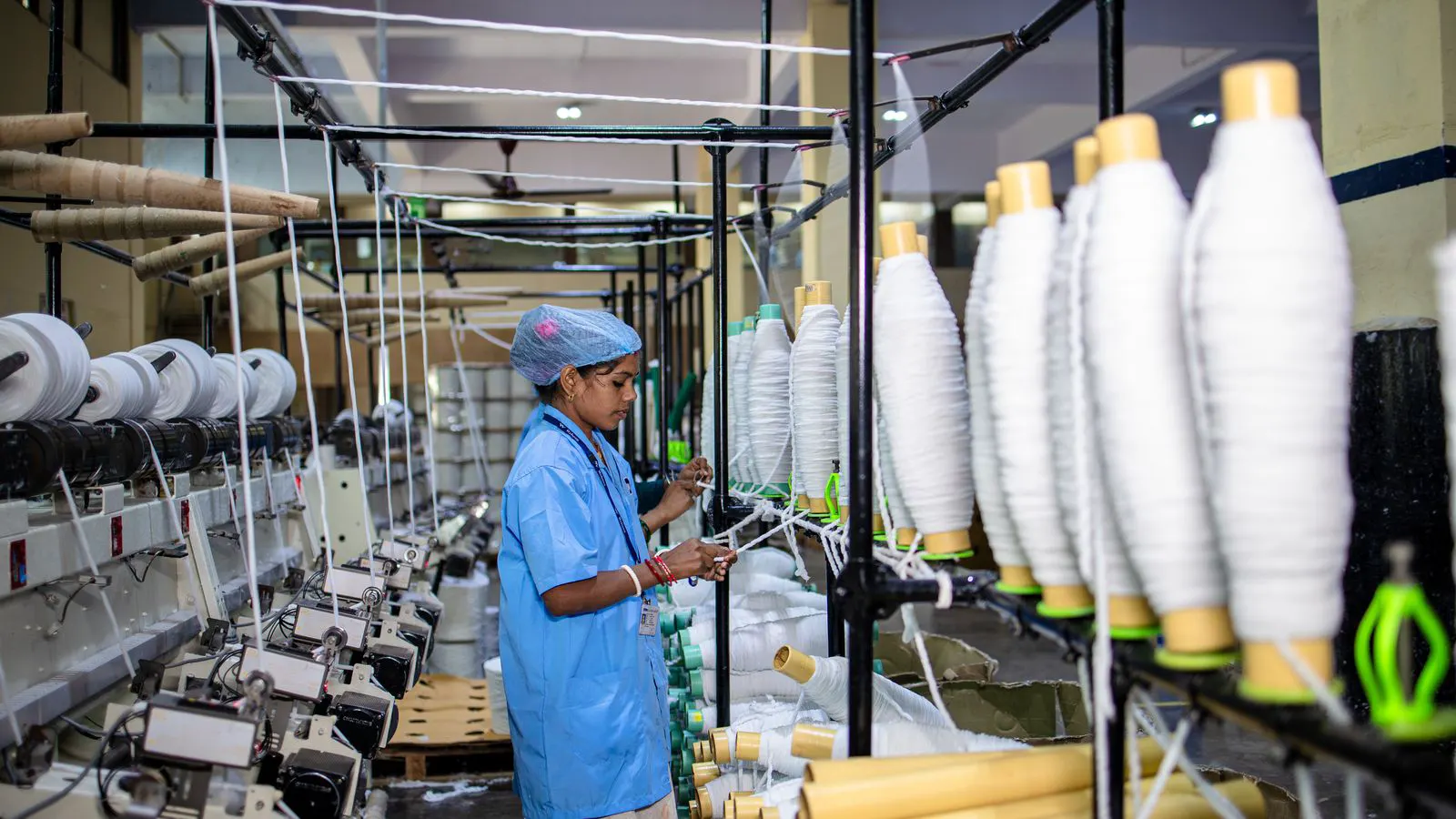
In a home textile factory, the chosen weave dictates the loom setup, thread tension, and inspection points. A buyer who specifies a fabric without clarifying the weave structure may receive a product that looks correct but fails in service.
For example, a hotel chain ordering bed linens needs a fabric that resists pilling and holds its shape after repeated washing. The weave type determines whether the surface will hold the weave or relax over time.
How Plain Weave Works and Where It Fits
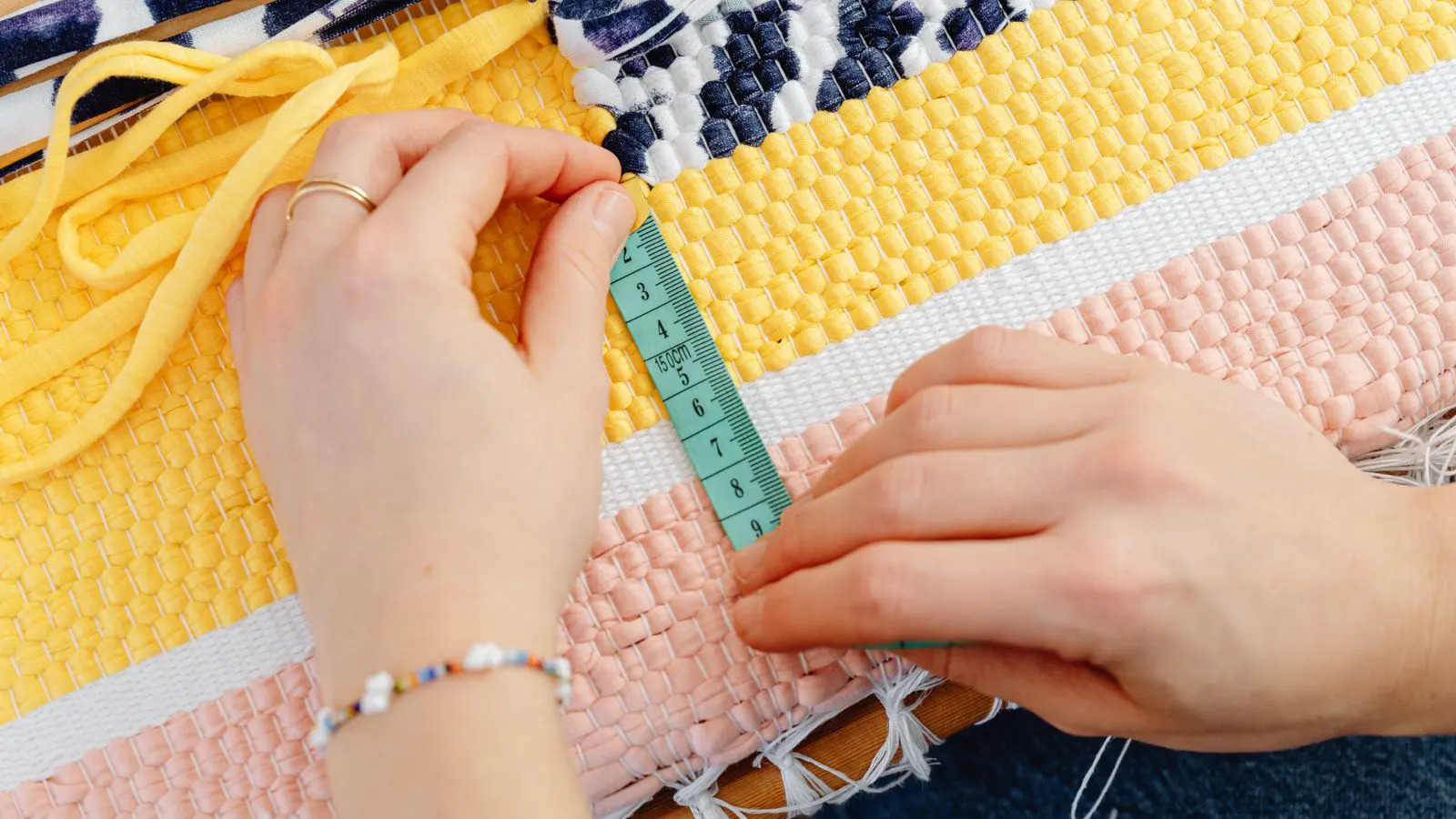
Plain weave, also called tabby or evenweave, is the simplest structure. Each weft thread passes over one warp thread and under the next, creating a tight, grid-like surface. The pattern is small and uniform.
This structure creates a balanced fabric. The surface is stable, and the edges do not fray easily. Because the threads are visible in a regular pattern, defects such as slubs or uneven tension stand out quickly.
In practice, plain weave is common for towels, table linens, and standard bed sheets. It is easy to inspect, easy to cut, and predictable during weaving. For importers, this means fewer surprises at the receiving dock.
A plain weave fabric can feel crisp if the thread count is high. It may feel softer if the yarn is twisted more. The structure itself does not change the yarn, but it changes how the yarn is presented.
Twill Weave and Its Role in Durable Fabrics
Twill weave shifts the pattern of over and under passes to create a diagonal line. A common twill uses a 2/2 structure, where the weft passes over two warp threads and under two. This diagonal line is visible in denim and many upholstery fabrics.
The diagonal structure gives twill more body and drape than plain weave. The interlocking threads can hide minor blemishes better, which matters for upholstery where seams are visible. It also tends to hold its shape under repeated flexing.
For sourcing upholstery fabric, twill is often specified because it resists wear at high-traffic points. A plain weave may look clean in the showroom but may show wear lines faster on a sofa arm.
Twill also accepts dyes evenly. The diagonal lines can create subtle shading effects, which designers like for visual interest. However, the pattern must be consistent. If the loom tension drifts, the diagonal line shifts, and the fabric looks uneven.
Sateen Weave for Smooth Surfaces and High Thread Counts
Sateen weave uses a longer float, meaning the weft thread passes over several warp threads before going under. A 5/1 sateen, for instance, passes over five warp threads and under one. This creates a smooth, lustrous surface.
The long float gives sateen a softer hand feel and a subtle sheen. It is popular for premium bed sheets and drapery. The surface is less likely to show pilling than a plain weave, because the threads are not exposed in a tight grid.
However, sateen is less durable. The long floats are vulnerable to snagging. A rough surface or a sharp object can catch the thread and pull it out. For commercial environments with heavy use, this is a real risk.
Sateen also demands precision. If the thread count is uneven, the sheen will appear patchy. A single area of looser tension can look dull compared to the rest of the roll. For importers, this means tighter inspection at the source and on arrival.
Basket Weave and Textured Fabrics
Basket weave, or twill-like basket, groups multiple warp threads and multiple weft threads together to form a larger block. The pattern looks like a small basket. It creates a textured surface with more depth than plain or twill.
This structure adds visual interest and absorbency. It is common in towels, bath mats, and decorative cushions. The texture can hide minor stains and wear better than a smooth surface.
Basket weave is less rigid than plain weave. It drapes more freely, which suits cushions and drapes that need to move. However, it may be harder to press flat. For table linens, a smooth surface is usually preferred, so basket weave is less common there.
When sourcing textured fabrics, check the block size. A larger basket pattern looks bolder. A smaller one looks subtle. The pattern must be consistent across the roll, or the fabric will look uneven in the finished product.
How Weave Type Affects Sourcing Decisions
Choosing a weave type is a sourcing decision, not just a design choice. It affects thread count, yarn type, loom availability, and quality checks.
A buyer should match the weave to the end use. For a hotel linen program, plain or sateen may be chosen for comfort and appearance. For an office upholstery project, twill may be chosen for durability. For a towel collection, basket or looped weaves are standard.
The weave also affects the minimum order quantity. Some looms are set up for specific structures. Changing the weave may require rethreading the loom, which adds time and cost. For small orders, stick to standard structures that the mill already runs.
Quality control must align with the weave. Plain weave shows defects easily. Sateen hides small flaws but shows tension issues. Twill shows pattern breaks. Basket shows texture shifts. The inspection checklist should target the specific weaknesses of the chosen structure.
Practical Example: Choosing a Weave for Hotel Bed Linens
A hotel group is updating its bed linen program. The director wants sheets that feel soft, last through daily laundering, and look crisp after pressing.
The first option is plain weave at a high thread count. It is crisp and easy to inspect. The grid pattern shows any loose thread immediately. It is a safe choice for a new supplier, because the quality is transparent.
The second option is sateen at the same thread count. It feels softer and has a subtle sheen. It may be preferred by guests who want a premium feel. However, the director must consider that the surface may snag if a guest has a rough ring or if the fabric catches on a metal bed frame.
The third option is twill. It is durable and hides minor wear. But it may not feel as crisp. It may take longer to press. For a luxury hotel, twill might not meet the aesthetic standard.
The director selects plain weave for the standard rooms and sateen for the premium suites. The plain weave sheets are easier to maintain and replace. The sateen sheets offer a softer experience where guests expect more. Both choices are justified by the weave structure and the intended use.
Common Mistakes in Weave Specification
A frequent mistake is specifying only thread count and ignoring weave. Two fabrics at 400 thread count can feel very different if one is plain and the other is sateen. The thread count measures density, not structure.
Another mistake is assuming all weaves are equally durable. A sateen may feel softer but may not survive heavy commercial use. A plain weave may feel stiffer but may last longer. The choice depends on the cleaning cycle and the wear pattern.
Buyers should also check the direction of the weave. Some weaves are directional, meaning they look different when turned. A twill line runs one way. If the fabric is cut without alignment, the pattern will look uneven on the finished product.
Finally, the weave must match the intended cleaning process. Some structures handle dry cleaning better. Others handle wet washing better. The weave affects how the fabric holds dyes and how it responds to agitation.
Weave Types and Future Production Trends
Manufacturers continue to refine weave structures to meet demand for softer, more durable, and more efficient fabrics. New yarns and looms allow tighter control over tension and pattern.
Buyers should expect more options for blended fibers and engineered structures. A plain weave with recycled cotton may have different feel and performance than a plain weave with virgin cotton. The weave is the same, but the yarn changes the outcome.
The trend toward sustainability is also influencing weave choices. Some weaves allow for thinner yarns without losing strength. This reduces material use and weight. It may lower shipping costs and improve comfort.
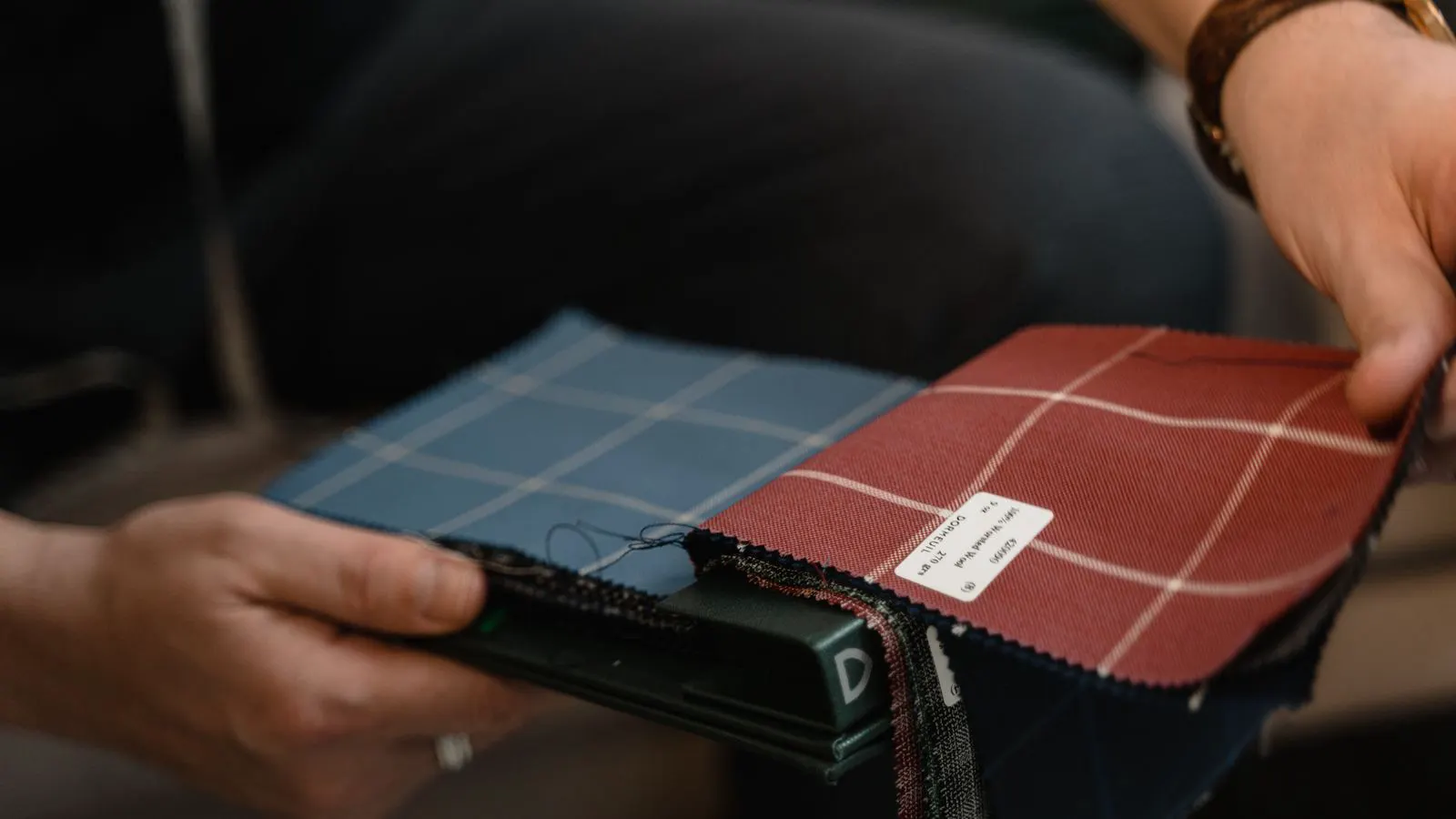
When evaluating a new supplier, ask about their loom capabilities. Can they run the specific weave you need? Can they maintain tight tolerances on the pattern? Can they provide sample swatches in the finished fabric, not just the raw yarn?
Final Thoughts on Weave Selection
Weave type is a core part of fabric performance. It shapes the surface, the hand feel, the durability, and the ease of inspection. A well-chosen weave saves time, money, and headaches in production and service.
For professional buyers, the goal is not to find the most complex weave. The goal is to find the structure that fits the product. Plain weave for clarity and durability. Twill for body and wear resistance. Sateen for softness and sheen. Basket for texture and absorbency.
Understand the structure. Match it to the use. Inspect it properly. The fabric will perform as expected.
Frequently asked questions
What is the difference between plain weave and sateen weave?
Plain weave uses a simple over-under pattern that creates a tight grid. Sateen uses longer floats that create a smooth, lustrous surface.
Which weave type is more durable for upholstery?
Twill weave is generally more durable for upholstery because the diagonal structure resists wear and hides minor blemishes better.
How does weave type affect thread count?
Thread count measures the number of threads per inch, while weave type describes how those threads are arranged. The same thread count can feel very different depending on the weave.
Can a sateen weave be used for commercial bed linens?
Yes, but it requires careful selection. The long floats can snag, so it is best suited for premium or low-wear environments where appearance matters most.
What should a buyer check when specifying a weave type?
Check the end use, the cleaning cycle, the thread count, and the direction of the pattern. Also request sample swatches to verify the hand feel and surface appearance.