Linen Fabric Demand and Price Outlook for 2027

Linen fabric costs will likely stay volatile in 2027 due to weather, input costs, and mixed supply. Buyers should lock in multi-year terms, diversify sourcing, and monitor raw flax and processing capacity to manage price risk.
- Lock in multi-year supply agreements to reduce exposure to short-term price spikes.
- Monitor raw flax availability and processing capacity, not just finished linen fabric quotes.
- Diversify suppliers across regions to balance weather and logistics risk.
- Adjust spec tolerances where possible to reduce waste and improve cost efficiency.
What Drives Linen Fabric Cost in 2027
Linen fabric pricing is shaped less by fashion cycles and more by raw material availability and processing capacity. Flax harvest quality, dyeing inputs, and finishing labor all feed into the final cost per meter. For procurement teams, the 2027 outlook is defined by a narrow window between higher input costs and the need to keep end-price stable for retail and contract buyers.
The key variable is not demand alone. It is the supply of clean, consistent flax fiber that can be turned into stable woven yarn. When harvests are uneven, mills adjust blending ratios or slow production. When energy or logistics costs rise, those increases pass through the supply chain within one or two quarters.
Buyers should expect quotes that shift with the season. Spring and early summer often see tighter pricing because processing slots fill quickly after harvest. Later in the year, some suppliers may offer better terms to clear capacity, but quality consistency can vary.
Cost drivers are specific and measurable. The fiber stage determines the baseline. High-quality flax with short stems and high shorn yield costs more to process than shorter or coarser stalks. The spinning stage adds cost based on the twist level and yarn fineness required. Tighter twists and finer counts demand more energy and precise machinery, which raises the per-kilogram cost of yarn.
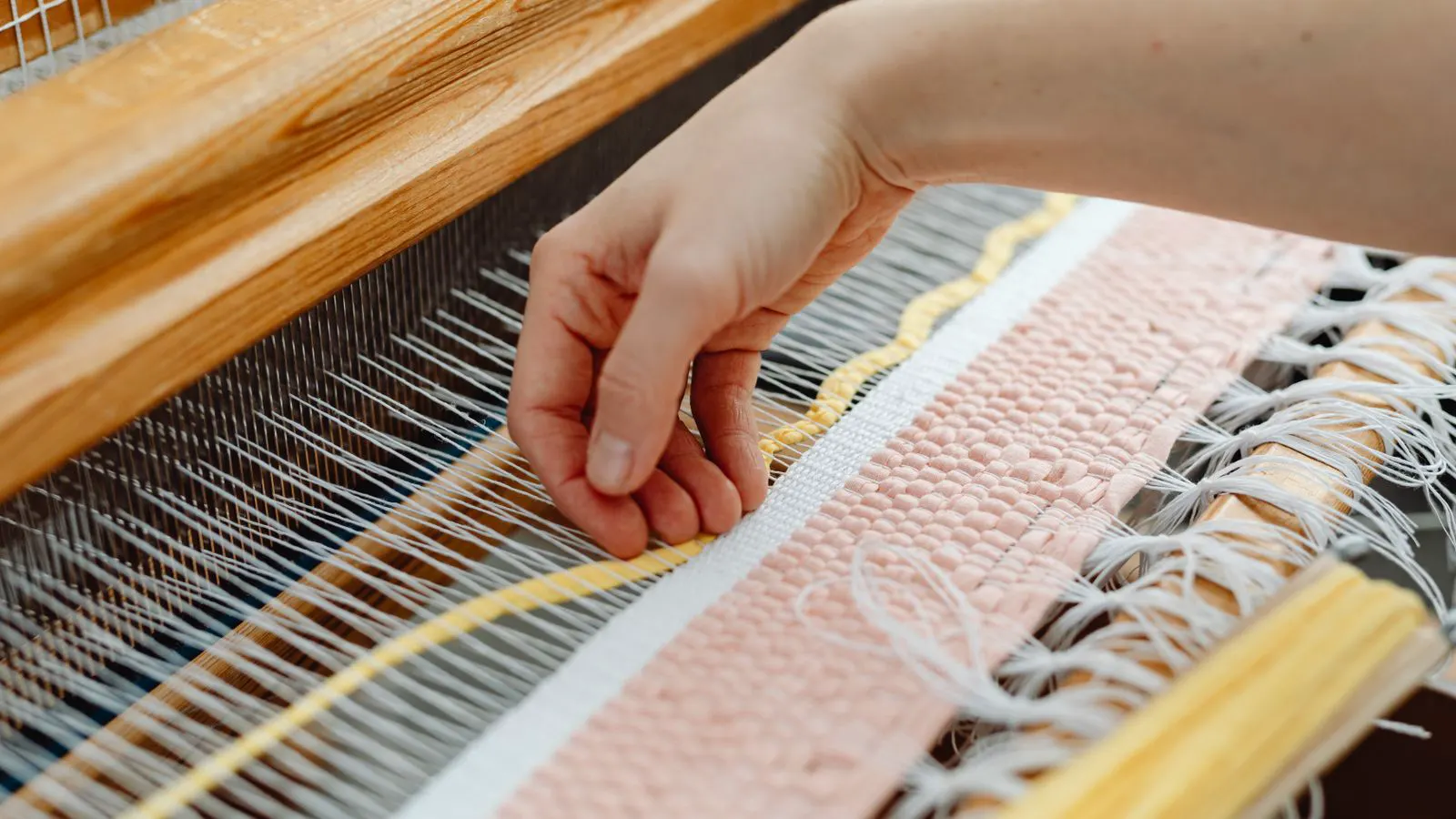
The weaving stage introduces another layer. Plain weave linen is standard and economical. Twill or sateen structures require more complex loom settings and slower running speeds, increasing labor hours per meter. If the fabric requires a specific hand feel, such as a soft, broken-in surface, additional mechanical finishing or washing steps are added. Each of these steps adds direct labor and material consumption to the price.
Dyeing and finishing are where variability often appears. Reactive dyes are common for linen because they offer good color fastness and washability. However, achieving deep, saturated shades on natural flax fiber can require multiple dyeing baths, which increases water and chemical usage. Finishing treatments for shrinkage control and wrinkle resistance also add to the cost. A standard linen fabric and a heavily finished, low-shrinkage version can differ significantly in price even if the base weave is the same.
For contract buyers, the cost per meter is not a fixed number. It is a function of input stability. If flax prices rise, the mill may pass that increase through. If the mill faces high energy costs, the price adjusts. If the mill needs to maintain high utilization to cover fixed costs, the price may stay firm even if input costs drop. Understanding this dynamic helps buyers negotiate more effectively.
How Demand for Linen Fabric Is Shifting
Demand for linen fabric remains steady in bedding, upholstery, and premium apparel. The shift is in where that demand is concentrated. Buyers are moving away from single-source relationships and toward smaller, more frequent orders with clearer quality gates.
Contract manufacturers now want traceability and consistent hand feel. They are less willing to accept lot-to-lot variation that forces rework or customer returns. This pushes mills to invest in sorting and finishing control, which raises operating costs.
Retailers are also extending the life of core linen fabric styles. Instead of chasing every trend, they are rebuilding staples with better durability. This steadies demand for mid-weight and high-durability woven linen fabric, but it reduces the flexibility suppliers had to run short, low-margin runs.
The shift toward smaller, more frequent orders changes the economics for mills. In the past, mills could run large, continuous batches of a single fabric to maximize efficiency. Now, they may need to change colors or counts more often. Each changeover involves cleaning machinery, re-threading looms, and recalibrating equipment. These changeover costs are built into the price per meter.
Traceability is no longer an optional add-on. Buyers require documentation that links the finished cloth to the specific flax harvest and mill lot. This means mills need to maintain detailed records from fiber intake through weaving and finishing. The administrative burden of this tracking increases overhead costs. For mills that do not have digital systems in place, the cost of compliance is higher.
The focus on durability is driving a change in fabric specifications. Buyers are specifying higher GSM weights and tighter weave structures. These fabrics are more robust and last longer, which reduces the frequency of replacement for end users. However, they require more fiber and longer processing times. The cost per meter increases, but the value proposition improves for the end consumer.
This shift also affects the supply chain. Mills that can deliver consistent quality without variation are gaining market share. Smaller mills that cannot maintain strict tolerances are finding it difficult to compete for contract business. The result is a market where quality consistency is a primary differentiator, and pricing reflects the cost of maintaining that consistency.
Five Shifts Buyers Should Plan For
Buyers preparing for 2027 should plan for five structural changes in how linen fabric is sourced and priced.
- Longer lead times for premium grades. High-end linen fabric with strict tolerances will require more processing time. Mills will prioritize capacity for orders with longer lead times, and rush work will carry premium pricing.
- Greater price sensitivity to flax input costs. When flax prices move, finished linen fabric pricing follows within a predictable lag. Buyers should track raw material signals, not just mill quotes.
- More emphasis on traceability. Procurement teams will be asked to provide fiber origin, mill documentation, and quality records. Suppliers without clear documentation will lose access to contract channels.
- Consolidation of mid-tier suppliers. Smaller mills that cannot absorb rising energy or labor costs may exit or reduce capacity. This concentrates supply among fewer producers, which can reduce negotiation use.
- Greater use of blended and finished alternatives. Some buyers will move portions of linen fabric programs to linen blends or finished alternatives that offer better cost consistency. This is a signal to review spec sheets and quality requirements.
These shifts are not isolated events. They interact with each other. For example, the focus on traceability increases administrative costs, which may push mills to consolidate with larger suppliers who can absorb those costs more easily. The longer lead times for premium grades mean that buyers must plan further in advance to secure capacity. The price sensitivity to flax input costs means that buyers need to build more flexible contracts that allow for price adjustments.
How to Prepare Procurement for Volatile Pricing
The most effective preparation is to build flexibility into the supply plan. A single-source strategy that worked in stable years will feel brittle when input costs shift.
Start by reviewing the last two years of purchase orders. Identify which suppliers delivered on time, which ones changed quality between lots, and which ones absorbed cost increases without renegotiating terms. Build a tiered supplier list from that history.
Set price review dates. Instead of negotiating annually, agree on quarterly price adjustments tied to documented input costs. This reduces the risk of a sudden spike at the start of a season.
Lock in a base volume with optionality. A contract that guarantees a minimum quantity but allows volume adjustments keeps capacity reserved without overcommitting. This is especially useful for seasonal bedding and upholstery programs.
Define quality gates before the first shipment. Agree on tolerances for color, weight, and hand feel in writing. When these are clear, dispute resolution is faster and rework costs are lower.
Reviewing purchase orders provides a clear picture of supplier performance. A supplier that delivered on time but had high defect rates is different from one that had late deliveries but consistent quality. The former may be suitable for low-risk, high-volume orders. The latter may be better for premium, high-margin programs.
Setting price review dates requires transparency. Both parties need to agree on the input cost references. For flax, this might be the price of raw stalks or the price of spun fiber. For energy, it might be a published electricity rate or a fuel index. By linking price adjustments to these indices, both parties can avoid disputes over arbitrary increases.
Locking in a base volume with optionality protects both sides. The mill secures a minimum revenue stream, which helps with planning. The buyer secures capacity, which reduces the risk of running out of fabric. The optionality allows the buyer to adjust volume based on actual demand, which reduces the risk of overstocking.
Defining quality gates is critical. Without clear tolerances, disputes are inevitable. A “standard” color is not a specific color. A “good” hand feel is not a measurable attribute. By specifying GSM, shrinkage percentage, color difference values, and hand feel ratings, both parties have a clear benchmark. This reduces the need for subjective judgment and speeds up quality checks.
Comparing Sourcing Strategies for 2027
The table below outlines the trade-offs between common sourcing approaches for linen fabric.
| Sourcing Approach | Cost Behavior | Risk Profile | Best Fit |
|---|---|---|---|
| Single-source, long-term contract | Predictable, slower to adjust | High exposure to supplier issues | High-volume, stable spec programs |
| Multi-source, short-term orders | More flexible, higher transaction cost | Lower dependency on one supplier | Trend-driven or variable volume programs |
| Regional sourcing | Lower logistics cost, limited options | Weather and local capacity risk | Short-lead-time or high-margin items |
| Global sourcing | Broader price range, longer lead times | Higher logistics and compliance risk | Cost-sensitive or capacity-constrained programs |
| Hybrid with reserve capacity | Moderate cost, better continuity | Balanced risk | Mixed portfolio with core and seasonal items |
No single approach fits every program. The hybrid model often performs best because it keeps a stable base while allowing adjustments for seasonal peaks or supplier disruptions.
The hybrid model typically involves a primary supplier for core, high-volume fabrics and secondary suppliers for seasonal or specialty items. This reduces the risk of total supply loss while maintaining the cost benefits of long-term contracts. The secondary suppliers provide flexibility for new designs or unexpected demand spikes.
Regional sourcing can be advantageous for high-margin items where speed to market is critical. By sourcing locally, buyers reduce lead times and logistics costs. However, the pool of qualified suppliers may be smaller, which limits negotiation power.
Global sourcing offers a broader price range and access to larger capacity. However, it introduces higher logistics and compliance risk. Buyers must manage longer lead times, higher freight costs, and complex documentation requirements.
What to Watch in the Second Half
In the second half of the year, three signals will matter most for 2027 planning.
First, flax processing capacity. If mills are running at high utilization, raw fiber becomes the bottleneck. This can slow finished linen fabric delivery and push prices up.
Second, logistics costs. Shipping rates, container availability, and inland transport all affect landed cost. A mill quote that looks reasonable can become expensive once freight is included.
Third, buyer behavior. If a large share of buyers delay orders, mills may offer better terms to fill capacity. If buyers rush, pricing tightens quickly. Watching purchase timing across the sector gives a clearer picture than any single quote.
Flax processing capacity is a key indicator. If mills are running at high utilization, it means that demand is outstripping supply. This can lead to longer lead times and higher prices. Buyers should monitor mill capacity reports and industry news to gauge the level of tightness.
Logistics costs are a major factor in landed cost. Shipping rates can fluctuate significantly based on demand and supply. Container availability can also affect delivery times. Buyers should include freight in their cost models and negotiate terms that account for potential freight increases.
Buyer behavior is a market signal. If a large share of buyers delay orders, it suggests that the market is soft. Mills may offer better terms to fill capacity. If buyers rush, it suggests that the market is tight. Pricing may increase quickly as mills prioritize rush orders.
Practical Steps for the Procurement Team
A practical preparation plan can be built around four actions.
- Review the supplier list. Identify at least two qualified suppliers per core linen fabric spec. Test quality on small runs before scaling.
- Set a price review calendar. Agree on quarterly reviews with clear input cost references. This keeps pricing transparent and reduces last-minute disputes.
- Tighten spec documentation. Include fiber origin, mill lot numbers, and finishing standards in the purchase order. Clear documentation speeds up audits and dispute resolution.
- Build a cost model that includes risk. Add a buffer for price movement, quality rework, and expedited freight. This makes budgeting more realistic and protects margin.
Reviewing the supplier list is a foundational step. It ensures that buyers have a clear understanding of who their qualified suppliers are. Testing quality on small runs allows buyers to verify performance before committing to large volumes.
Setting a price review calendar provides a structured approach to pricing. It reduces the need for ad-hoc negotiations and ensures that both parties are aligned on cost drivers.
Tightening spec documentation ensures that quality expectations are clear. It reduces the risk of disputes and speeds up the resolution process.
Building a cost model that includes risk provides a realistic budget. It accounts for potential price movements, quality issues, and expedited freight. This makes it easier to manage margins and avoid unexpected costs.
Final Considerations for 2027
Linen fabric is not a commodity that moves on a single signal. It is a chain of decisions, from flax harvest to finished cloth. Buyers who understand that chain can plan better. They can see where cost pressure builds, where quality risk appears, and where supply flexibility is most valuable.
The 2027 plan should be built for change, not for a single best outcome. Keep the base stable, keep the options open, and keep the documentation clean. That combination will hold up when input costs shift and capacity tightens.
Frequently asked questions
Will linen fabric prices rise in 2027?
Prices are likely to remain volatile, with upward pressure from input costs and processing capacity. The exact direction will depend on flax supply, logistics, and buyer timing.
How can I reduce price risk for linen fabric?
Use multi-year contracts with quarterly price reviews, diversify suppliers, and lock in base volume with optionality. These steps reduce exposure to short-term spikes.
Should I switch to a linen blend to control cost?
A blend can improve cost consistency, but it changes hand feel, durability, and branding. Test the blend against your quality standards before committing to a full program.
What documentation should I require from linen fabric suppliers?
Require fiber origin, mill lot numbers, finishing standards, and quality test reports. Clear documentation speeds up audits and reduces disputes.
How do I know if a supplier can handle seasonal peaks?
Review their capacity utilization, lead times, and past performance during peak periods. A small test order during a busy window reveals more than a quote.