How to Calculate Yardage for Multi-Panel Hotel Curtains
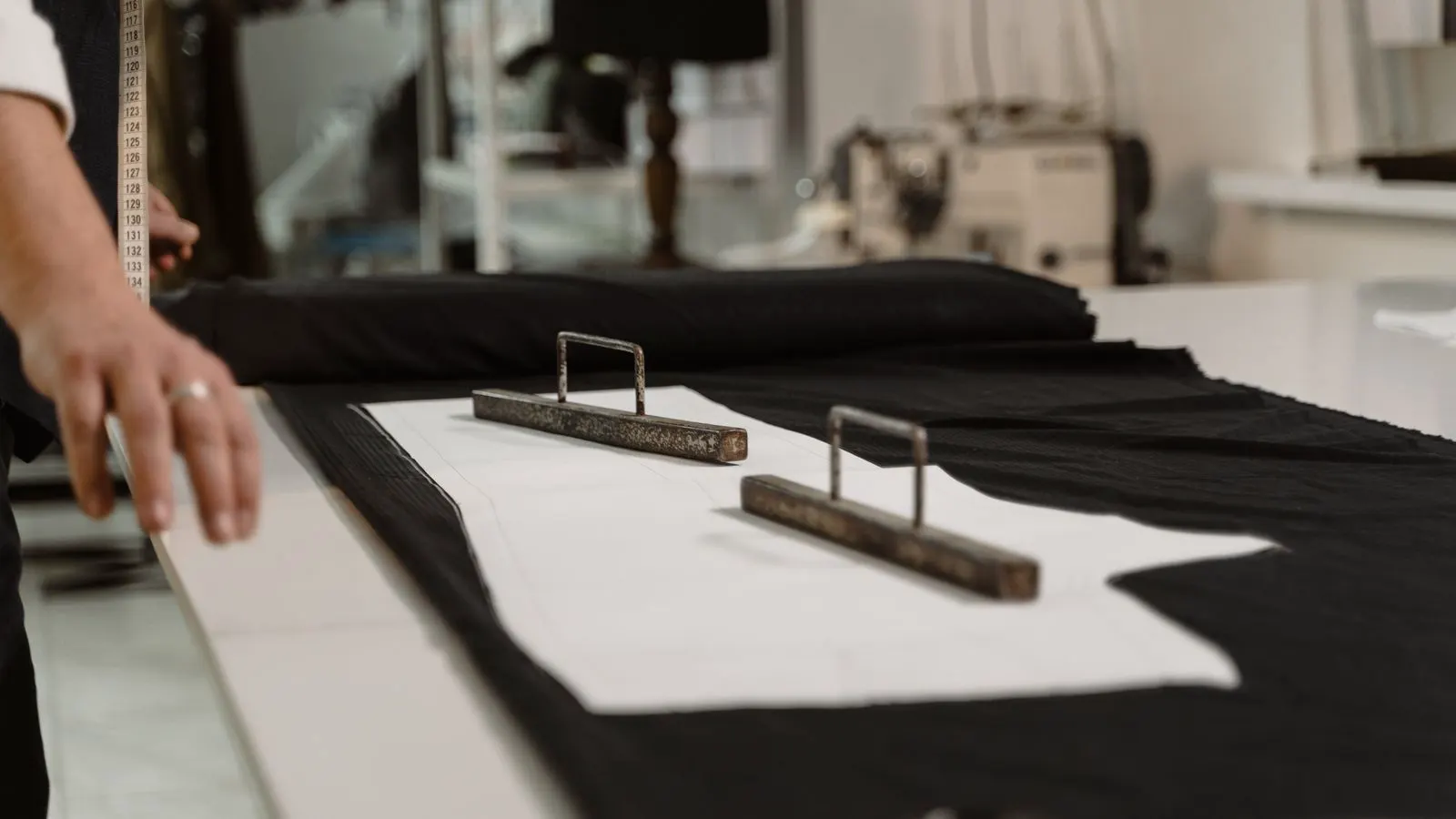
To calculate curtain yardage for multi-panel hotel curtains, determine the finished width per panel, multiply by the number of panels, and adjust for fabric width and seam allowances. This method ensures accurate sourcing and prevents material waste.
- Calculate finished panel width first, then multiply by panel count and fabric width to find total linear yardage.
- Add seam allowances and pattern matching allowances to the base calculation.
- Account for fabric width variations and selvage edges to avoid shortfalls.
- Verify calculations against supplier cut sheets and minimum order quantities before placing an order.
Why Standard Measurements Fail for Hotel Installations
Hotel curtain projects differ from residential projects in scale, repetition, and tolerance for error. A single incorrect yardage calculation can mean a delayed opening or a visible color mismatch between rooms. Professional buyers and engineers need a precise method that accounts for fabric width, panel count, and installation requirements.
In a multi-room hotel, the same window design may repeat across dozens or hundreds of units. When one panel comes in 2 inches too narrow, the entire run of 40 rooms requires re-cutting. When the pattern drifts, adjacent rooms no longer match the design intent. The cost of error is not just material; it is labor, schedule, and the risk of a partial room turnover on opening day.
This guide covers the step-by-step process for calculating curtain yardage in multi-panel hotel projects. It assumes you have access to the room specifications, fabric data sheet, and installation drawings. If any of these documents are missing or ambiguous, the calculation is only an estimate.
Prerequisites: What You Need Before Starting
Before calculating fabric yardage, gather the following documents and data:
- Room specifications: window width, window height, desired drop, and number of panels per window.
- Fabric data sheet: fabric width in inches or centimeters, selvage width, and pattern repeat.
- Installation drawings: panel count, seam placement, and hardware attachment points.
- Supplier minimum order quantities: many mills and fabric houses require minimum linear feet or meters.
- Seam and hem allowances: standard allowances for seams, hems, and any decorative trim.
The room specifications should include the exact location of the curtain rod or track relative to the window frame. A 6-inch overhang on each side changes the finished width per panel significantly. The fabric data sheet must list the usable width, excluding the selvage. The installation drawings clarify whether panels are sewn separately or joined at seams. The supplier minimum order quantity is often overlooked until the final order is placed, at which point the buyer must either wait for a new shipment or pay a premium for a smaller lot.
Without these inputs, any calculation is an estimate. With them, you can produce a precise yardage figure.
Step 1: Determine the Finished Width per Panel
Start with the finished width of a single curtain panel. This is the width you want to see when the curtain hangs. For hotel rooms, panels are often sized to cover a specific width of the window or wall. The finished width is the width after all seams and hems are sewn and the fabric is pressed.
Example: A hotel window is 72 inches wide. The designer wants three panels, each covering 24 inches of finished width. The finished width per panel is 24 inches.
In practice, the finished width is often derived from the window width divided by the number of panels, with a small overlap or gap between panels. A 1-inch gap between panels is common in hotel design to allow for independent movement. If the window is 72 inches and there are three panels, the total panel width might be 69 inches, leaving 3 inches for two gaps. Each panel would be 23 inches wide.
Write this number down. It becomes the base for all subsequent calculations. Record it in your calculation sheet alongside the window dimensions and panel count. This number will be used in every subsequent step.
Step 2: Multiply by the Number of Panels
Next, multiply the finished width per panel by the total number of panels in the room. For a single window with three panels, the calculation is 24 inches multiplied by 3, which equals 72 inches of finished fabric width.
If the hotel has multiple windows or different room types, repeat this step for each window or room type. Keep separate calculations for each layout to avoid mixing up dimensions. Use a spreadsheet with columns for room number, window count, panel count, and finished width per panel. This structure prevents errors when aggregating data across the entire property.
For a hotel with 50 identical rooms, each with one 72-inch window and three 24-inch panels, the total finished width per room is 72 inches. The total finished width for all 50 rooms is 3,600 inches. This number is not the final yardage, but it confirms the scale of the project.
Step 3: Add Seam and Hem Allowances
Add seam allowances to the finished width per panel. Standard seam allowances range from 1 to 2 inches per side, depending on the fabric and installation method. For hotel curtains, a 1.5-inch seam allowance per side is common. A wider seam allows for adjustments during installation and prevents the fabric from looking too tight when gathered.
Example: A 24-inch finished panel plus 1.5 inches on each side equals 27 inches of cut width per panel.
Add hem allowances separately. Hems at the bottom typically require 3 to 5 inches, depending on the weight of the fabric and the desired drop. For heavy hotel drapes, a 4-inch hem is standard. A double hem, where the fabric is folded twice, requires more allowance than a single hem. The hem allowance is added to the length of the panel, not the width.
The cut width per panel is now 27 inches. The cut length per panel will be calculated in Step 6. Keep these two numbers separate in your notes.
Step 4: Adjust for Fabric Width
Now, divide the total cut width by the fabric width to determine how many panels fit across the fabric. This step is critical because fabric comes in fixed widths, and you must account for how panels are cut from the roll. Fabric rolls have a selvage, which is the woven edge that cannot be used. The usable width is typically 2 to 4 inches less than the stated roll width.
Example: If the fabric width is 60 inches and each panel requires 27 inches of cut width, you can cut two panels from one fabric width. 27 inches plus 27 inches equals 54 inches, which fits within 60 inches. The remaining 6 inches is selvage waste.
If the panels do not fit evenly, you may need to adjust the panel width or the number of panels per fabric width. This adjustment changes the total yardage. For instance, if three 27-inch panels are required per width, the total is 81 inches. If the fabric width is 60 inches, you cannot cut three panels from one width. You must either reduce the number of panels per width to two, or increase the panel width to fit three panels within the available width. In the latter case, the finished width per panel must be recalculated, which affects the final appearance of the curtain.
Always verify the usable fabric width with the supplier before finalizing the order. Some fabric houses specify the width including selvage, while others specify the usable width.
Step 5: Account for Pattern Matching
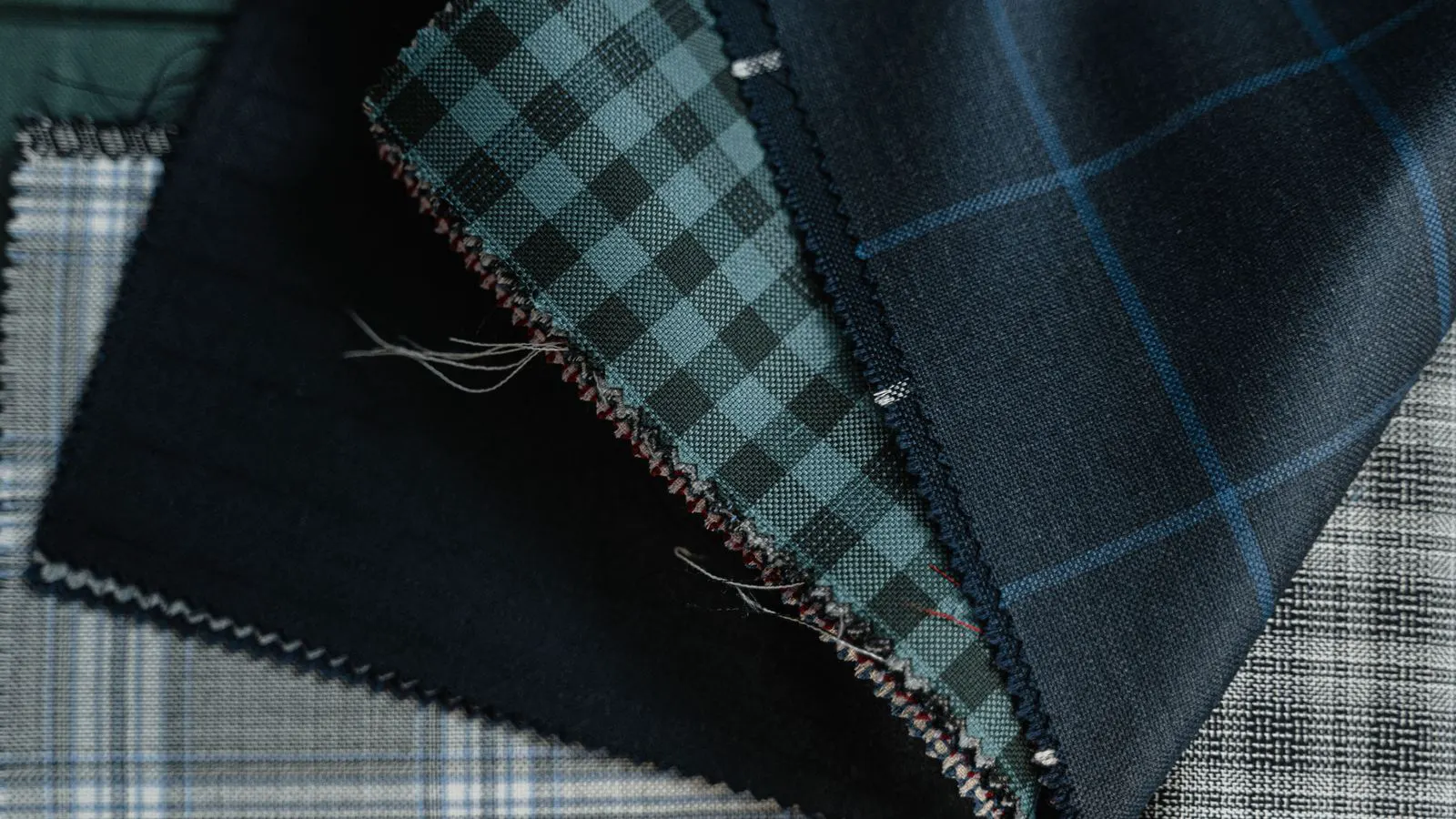
If the fabric has a pattern, add pattern matching allowances. Patterns require extra length to ensure the design aligns correctly across panels. The amount of extra fabric needed depends on the pattern repeat and the number of panels. Pattern matching is one of the most common sources of yardage errors in hotel projects.
For a pattern repeat of 12 inches and three panels, you may need an additional 12 inches per panel, or 36 inches total, to align the pattern. This is a general rule. Always check the fabric data sheet for the exact repeat and matching requirements. Some patterns require matching across seams, others only across panels. Vertical stripes often require no matching, while complex floral or geometric patterns may require matching every panel to the next.
For solid or stripe fabrics, pattern matching is usually not required. Stripes may need slight adjustments for color alignment, but not as much as complex patterns. If the fabric has a two-way pattern, such as a check or plaid, matching may be required in both the width and length directions. This significantly increases the yardage requirement.
Step 6: Calculate Total Linear Yardage
Multiply the total number of panels by the length of each panel. The length of each panel is the desired drop plus hem allowance. For a 96-inch drop and a 4-inch hem, each panel is 100 inches long. The desired drop is measured from the bottom of the window or the wall, to the floor or the desired hem line. In hotels, curtains often hang to the floor to create a continuous visual line.
Example: Three panels, each 100 inches long, equals 300 inches of linear fabric per window.
If the fabric width allows multiple panels per width, divide the total linear fabric by the fabric width to get the total linear yardage. In the previous example, two panels fit per fabric width. So, 300 inches divided by 2 equals 150 inches, or 12.5 linear feet, per window.
Multiply by the number of windows in the hotel to get the total linear yardage. If the hotel has 50 windows, the total is 625 linear feet. This is the base yardage before adding the safety margin.
Step 7: Add Safety Margin
Add a safety margin to account for errors, pattern shifts, or fabric defects. A common safety margin is 5 to 10 percent of the total yardage. For large hotel projects, 10 percent is often used. The safety margin is calculated after all other allowances have been added.
Example: If the total linear yardage is 120 feet, a 10 percent safety margin adds 12 feet, bringing the total to 132 feet.
This margin is not waste. It is a buffer for the realities of large-scale fabric sourcing and installation. Fabric defects, such as slubs or color variations, may require cutting around damaged areas. Pattern shifts can occur during cutting if the fabric is not aligned correctly. The safety margin ensures that the final order includes enough fabric to meet the project requirements without the need for a second shipment.
Common Mistakes in Curtain Yardage Calculations
Even experienced buyers make errors in curtain yardage calculations. The most common mistakes include:
- Forgetting seam allowances. This leads to panels that are too narrow.
- Ignoring fabric width. This causes miscalculations in how many panels fit per width.
- Underestimating pattern matching. This results in pattern misalignment.
- Not accounting for selvage waste. This leads to shortfalls.
- Ignoring minimum order quantities. This can cause delays or additional costs.
Another frequent error is assuming that the fabric width is constant across the entire roll. Some fabrics stretch slightly when hung, or the width may vary by a fraction of an inch. For large projects, it is prudent to measure the fabric width at several points along the roll before cutting.
Verification Step: Double-Check Your Numbers
Before placing an order, verify your curtain yardage calculations using the following checks:
- Re-calculate the finished width per panel and multiply by the number of panels.
- Check the fabric width and confirm the number of panels per width.
- Add seam and hem allowances again.
- Confirm the length of each panel, including drop and hem.
- Compare your total against the supplier cut sheet and minimum order quantities.
If any number does not match, stop and re-check. A small error in one step can compound into a large shortage or excess. Have a second person review the calculation sheet. Use a calculator to verify the arithmetic, especially when multiplying by the number of rooms. A single misplaced decimal point can result in a shortage of hundreds of linear feet.
Table: Yardage Calculation Reference
| Parameter | Typical Value | Reason |
|---|---|---|
| Seam allowance per side | 1 to 2 inches | Ensures clean edges and prevents fraying |
| Hem allowance | 3 to 5 inches | Allows for proper drop and weight |
| Pattern matching allowance | 1 to 2 pattern repeats | Ensures design alignment across panels |
| Safety margin | 5 to 10 percent | Accounts for errors and fabric defects |
| Selvage waste | 2 to 4 inches per width | Unusable edge of the fabric roll |
Final Notes for Buyers
Accurate curtain yardage calculation is the foundation of a successful hotel curtain project. It prevents waste, avoids delays, and ensures a consistent look across rooms. Use the steps above to build a reliable calculation. Keep your documents organized and verify your numbers before ordering.
Document every assumption in your calculation sheet. If you assume a 1.5-inch seam allowance, note it. If you assume a 10 percent safety margin, note it. If you assume the fabric width is 60 inches, note it. These notes will help you troubleshoot if issues arise during production.
Finally, communicate your yardage requirements to the fabric supplier clearly. Provide the final yardage figure, the number of panels, and any pattern matching requirements. Ask the supplier to confirm the cut width per panel and the number of panels per fabric width. This alignment prevents misunderstandings and ensures that the fabric is cut to your specifications.
Frequently asked questions
How do I handle different fabric widths from different suppliers?
Recalculate the number of panels per fabric width for each supplier. The total linear yardage will change based on the fabric width and selvage waste.
Do I need to add extra fabric for heavy drapes?
Heavy drapes may require larger hem allowances and more seam reinforcement. Add 1 to 2 inches to the hem allowance and confirm with your supplier.
What if the pattern repeat is large, like 24 inches?
Multiply the pattern repeat by the number of panels to find the extra length needed. For three panels and a 24-inch repeat, add 72 inches to the total length.
How do I account for multiple room types in a hotel?
Create a separate calculation for each room type. Sum the total yardage across all room types before placing an order.
Can I use the same calculation for curtains and drapes?
Yes, but adjust the allowances. Drapes typically require larger hem allowances and seam allowances due to their weight and drape.