Upholstery Rub Counts: What Number to Request for Commercial Use
Commercial upholstery requires specific durability numbers to prevent early failure. Procurement managers must request a minimum upholstery rub count based on Martindale testing. This number dictates the fabric grade, price, and lead time for commercial upholstery projects.
- Commercial upholstery requires a specific upholstery rub count to meet warranty and performance standards.
- Martindale testing measures fabric durability by counting the rubs needed to cause visible wear.
- Higher rub counts increase fabric cost and may extend lead times for commercial upholstery sourcing.
- Always request a written test report with the specific upholstery rub count before finalizing a purchase.
- Use the rub count as a baseline for comparing suppliers and defining quality expectations in contracts.
What is the upholstery rub count
The upholstery rub count is a number that measures how many times a fabric can be rubbed before it shows visible wear. It is the standard metric used to judge the durability of upholstery fabrics. For commercial projects, this number is not a suggestion. It is a requirement.
Procurement managers use the upholstery rub count to decide if a fabric will survive daily use. A fabric with a low rub count may look fine in a showroom but will fail in a busy hotel lobby. The number comes from a specific testing method. It is not a guess based on how the fabric feels.
You will often see the number written as “rub count” or “Martindale count.” Both terms refer to the same measurement. The number tells you the limit of the fabric’s life. If the number is too low for the intended use, the fabric will wear out before the project’s expected lifespan.
How Martindale testing works
Martindale testing is the standard method for measuring upholstery rub count. It uses a machine that rubs the fabric against a standard abrasive surface. The machine moves back and forth in a figure-eight pattern. The test counts every back-and-forth movement as one rub.
The fabric is fixed in a frame on the test machine. A small abrasive pad is pressed against it. The machine runs until the fabric shows visible damage. The tester then stops the machine and records the total number of rubs. This number is the upholstery rub count.
The test can be adjusted. The pressure of the pad changes the result. A higher pressure simulates heavier use. A lower pressure simulates lighter use. Commercial contracts usually specify the pressure and the pattern. You must know these details before comparing two suppliers.
The test is not just about the number. It is about how the fabric fails. A fabric may show pilling, snagging, or color loss. The type of failure matters. A fabric that pills after 10,000 rubs may still be structurally sound. A fabric that tears after 15,000 rubs is a different failure. Procurement managers need to see the test report. The report will describe the type of damage and the rub count.
Typical thresholds for commercial upholstery
There is no single global number that covers all commercial uses. The required upholstery rub count depends on the location and the intensity of use. A hotel room bed has different demands than a public lounge chair. A waiting room chair sees constant movement. A private office chair sees less.
For low-use commercial areas, a rub count in the lower range may be acceptable. These areas include private offices, quiet conference rooms, or residential-style suites. The fabric still needs to be commercial grade. It must handle cleaning and normal cleaning. But it does not need to survive the heavy wear of a public space.
For high-use commercial areas, the rub count must be higher. Hotel lobbies, airport lounges, restaurant booths, and public transport seats require fabrics that withstand constant friction. These areas need a high upholstery rub count. The fabric must resist abrasion from thousands of people sitting, standing, and moving.
The table below shows how the rub count maps to typical commercial uses. This is a general guide. Always check your specific project requirements. The numbers vary by region and by contract.
| Use Case | Typical Upholstery Rub Count Range | Notes |
|---|---|---|
| Private Office Furniture | Moderate | Lower wear, but still commercial grade |
| Hotel Room Seating | Moderate to High | Guest interaction, daily cleaning |
| Public Lounge / Lobby | High | Constant movement, high traffic |
| Restaurant Booths | High | Food and drink exposure, heavy use |
| Public Transport Seats | Very High | Constant friction, high durability needed |
How the rub count affects sourcing
The upholstery rub count directly affects the cost of the fabric. A fabric with a high rub count costs more than a fabric with a low rub count. The difference comes from the materials used. High-performance fabrics use stronger fibers. They may use blends that resist abrasion. The manufacturing process is more complex. The quality control is stricter.
When you request a quote, you must state the minimum upholstery rub count. Do not ask for “commercial grade.” That term is too vague. A supplier might define commercial grade as a low number. You need a specific number. Write it into the request for quotation.
The rub count also affects lead time. High-performance fabrics are not always in stock. The manufacturer may need to produce them to order. This can add weeks to the delivery schedule. If your project has a tight deadline, you must order the fabric early. Do not wait until the last minute to confirm the rub count.
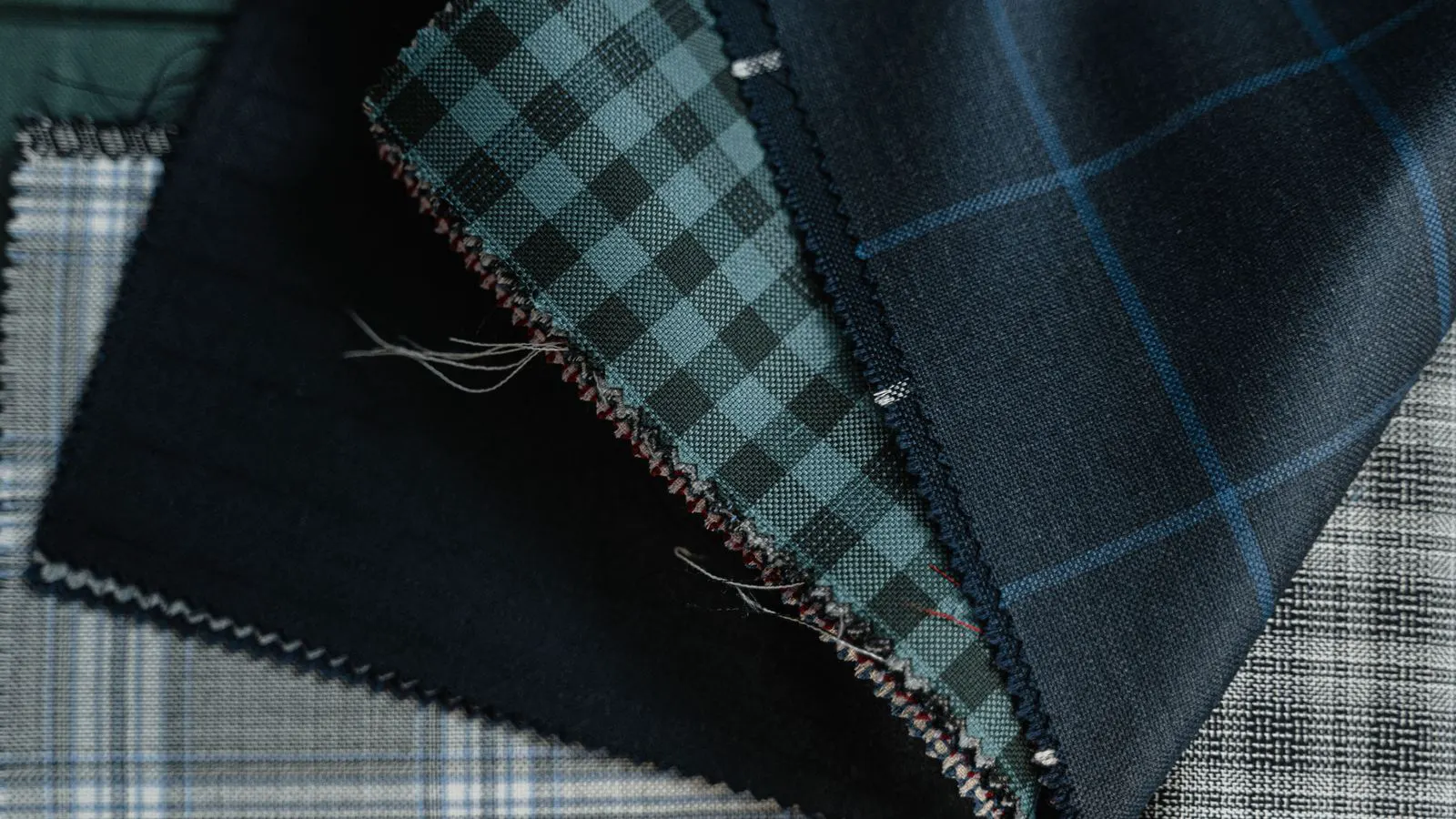
The rub count also affects the fabric’s appearance. Sometimes, the most durable fabrics are not the most visually striking. A very high rub count fabric might have a slightly different texture or color range. You need to balance durability with design. Show your design team the swatches that meet the rub count requirement. Do not choose a swatch that looks beautiful but fails the durability test.
A worked example for a hotel project
Imagine you are procuring fabric for a hotel lobby. The lobby is a public space with high foot traffic. The chairs will be used by guests, staff, and visitors. The furniture will be cleaned daily. The fabric must survive years of use.
You consult your project specification. It requires a high upholstery rub count for public seating. You ask your supplier to provide a fabric that meets this requirement. You request a written test report. The report shows a rub count that meets the commercial standard.
You compare three suppliers. Supplier A offers a fabric with a low rub count. It is cheap but risky. It may fail in a few years. Supplier B offers a fabric with a moderate rub count. It is a middle ground. Supplier C offers a fabric with a high rub count. It costs more but lasts longer.
You choose Supplier C. You negotiate the price based on the high durability. You agree on a delivery date that allows for testing. The fabric arrives. You send a sample to an independent lab. The lab confirms the rub count. You approve the fabric for the project.
This example shows the process. You define the requirement. You request specific data. You compare options. You verify the data. You make a decision. The upholstery rub count is the key to this decision. Without it, you are guessing. With it, you are managing risk.
Common mistakes in specifying rub counts
The most common mistake is not specifying the rub count at all. Buyers ask for “durable fabric.” The supplier provides a sample that feels strong. It looks good. But it may not meet the actual durability threshold. The fabric fails after two years of use. The buyer has a problem.
Another mistake is confusing rub count with pilling resistance. They are different tests. Rub count measures abrasion. Pilling resistance measures how the fabric sheds small balls of fiber. A fabric can have a high rub count and still pill. Or it can have a low rub count and not pill. You need both numbers if you care about appearance.
A third mistake is ignoring the test conditions. Two fabrics can have the same rub count but be tested under different conditions. One test uses a lighter pressure. The other uses a heavier pressure. The results are not comparable. You must ask the supplier for the test conditions. Pressure, pattern, and environment matter.
Finally, do not rely on the supplier’s verbal confirmation. Get the test report in writing. The report should show the fabric name, the test date, and the rub count. Keep it in your project file. If there is a dispute later, the report is your evidence.
How to verify the rub count
Verification is the final step. Do not trust the supplier’s claim alone. Ask for the test report from an accredited laboratory. The lab should be recognized in your region. The report should be signed by the lab technician.
Check the report carefully. Look for the fabric name, the test date, and the rub count. Make sure the rub count meets your requirement. If it does not, do not accept the fabric. Ask for a different sample.
You can also test the fabric yourself. If you have a Martindale machine, run the test. If you do not, send a sample to a local lab. The lab will run the test and provide a report. This adds cost and time, but it reduces risk.
For large projects, consider testing multiple batches. Fabric from different production runs may have slight variations. Test the first batch. If it passes, you are more confident in the rest. Do not assume every batch is identical.
Conclusion
The upholstery rub count is the number that tells you if a fabric will last. It is the foundation of commercial upholstery sourcing. You must define the number before you buy. You must verify the number after you receive the fabric.
Do not skip this step. A low rub count will save money today. It will cost you more tomorrow. A high rub count may cost more now. It will save you from replacement and repair.
Use the rub count as your guide. Ask for the data. Check the test report. Make your decision based on facts, not feelings. Your project will last longer. Your reputation will stay strong.
Frequently asked questions
What is the difference between rub count and pilling resistance?
Rub count measures abrasion resistance. Pilling resistance measures how the fabric sheds fiber balls. They are separate tests and both matter for commercial upholstery.
Do I need a rub count for residential upholstery?
Residential projects usually have lower durability requirements. A moderate rub count may be sufficient. Check your specific use case before deciding.
Can I use any fabric with a high rub count for a hotel lobby?
No. High rub count is necessary but not sufficient. The fabric must also handle cleaning, staining, and color fastness. Check all performance metrics.
How long does Martindale testing take?
Testing takes time depending on the rub count. A high rub count test can take days or weeks. Plan your schedule accordingly.
Where can I find the rub count on a supplier's quote?
It is usually on the technical data sheet or the test report. If it is not listed, ask the supplier to provide it in writing before you place an order.