What is Upholstery Grade: Explaining Wearing and Light Fastness
Upholstery grade refers to fabric performance standards for wear and light resistance. It determines suitability for high-traffic furniture and long-term color retention. Buyers must match fabric specifications to intended use, traffic volume, and environmental exposure to avoid premature replacement and ensure consistent quality across projects.
- Upholstery textile grades are defined by specific performance metrics rather than material composition alone.
- Wearing strength determines how long a fabric withstands physical friction from use.
- Light fastness indicates how well a fabric resists color loss from sun exposure.
- Buyers must align fabric specifications with traffic levels and lighting conditions.
- Requesting test reports and swatch documentation prevents costly sourcing errors.
What Defines Upholstery Grade in Textiles
Upholstery textile standards separate heavy-duty fabrics from decorative or standard home textiles. The distinction rests on two core performance areas. Wearing strength measures how a fabric handles friction and abrasion from repeated physical contact. Light fastness measures how well a dye or fabric color withstands exposure to light over time.
These two factors determine whether a fabric belongs in a living room armchair or a hotel lounge sofa. A fabric may be made from high-quality cotton but still fail as upholstery if it wears through quickly or fades in direct sunlight. Conversely, a synthetic fabric with poor color retention may look perfect at first but become visually inconsistent after months of use.
Professional buyers evaluate upholstery textile performance through standardized testing methods and documented results. The specifications must match the intended application. A fabric rated for low-traffic residential use will not perform the same in a commercial setting with daily heavy use.
How Wearing Strength Affects Fabric Selection
Wearing strength tests measure the number of rub cycles a fabric can withstand before visible wear appears. The test typically involves rubbing a sample against an abrasive pad under controlled pressure. The result is expressed as a cycle count or a grade indicating acceptable wear levels.
Higher cycle counts indicate better resistance to physical degradation. This matters most for areas with constant contact. Sofa seats, armrests, and chair backs experience daily friction. High-traffic areas like hotel lobbies, airport lounges, and office conference rooms demand even higher performance.
Buyers should match wearing strength to the expected traffic. A residential sofa used by a small family has different wear patterns than a public seating area. The fabric must withstand repeated sitting, leaning, and cleaning. A low-grade fabric may survive the first year but show pilling, thinning, or fraying at contact points by the second year.
The material structure also influences wearing performance. Tightly woven fabrics generally resist abrasion better than loosely structured ones. The yarn construction and fabric weight play a role in how quickly the surface degrades.
Light Fastness and Long-Term Color Stability
Light fastness determines how well a fabric maintains its color when exposed to light. This is a separate performance area from wearing strength. A fabric can be extremely durable against physical wear but still fade significantly in bright light.
The test exposes a fabric sample to controlled light conditions for a set period. The result indicates how much color change occurs. Higher ratings indicate better resistance to fading. For upholstery textile applications, light fastness matters most in rooms with large windows, skylights, or direct sun exposure.
Color loss changes the visual appearance of a project. A faded sofa in a bright living room looks worn even if the fabric structure remains intact. This is particularly problematic in commercial spaces where consistent appearance matters for branding and customer perception.
Buyers should consider the lighting conditions of the installation environment. A fabric with moderate light fastness may work in a hallway or enclosed room. The same fabric may not survive in a sunroom or a window-facing lounge. Matching the fabric to the light exposure prevents costly replacements and maintains the intended design.
Key Differences Between Standard and Upholstery Grade Fabrics
The table below shows how standard and upholstery grade fabrics typically differ in performance and application.
| Performance Area | Standard Home Textile | Upholstery Grade Textile |
|---|---|---|
| Wearing Strength | Moderate, for occasional use | High, for daily heavy use |
| Light Fastness | Variable, often lower | Higher, for sun exposure |
| Typical Application | Curtains, throw pillows, drapes | Sofas, chairs, benches, public seating |
| Testing Focus | Basic appearance and shrinkage | Abrasion cycles and color retention |
| Sourcing Documentation | Minimal specifications | Detailed test reports and grades |
The differences extend beyond performance metrics. Standard home textiles often prioritize aesthetics and drape. Upholstery grade textiles must balance appearance with structural durability. The manufacturing process may differ as well, with upholstery fabrics often using tighter weaves or higher yarn counts.
A common mistake is selecting a beautiful curtain fabric for sofa upholstery. The fabric may look perfect and hang well, but it will not withstand the friction of daily sitting. The result is premature wear and a need for replacement that disrupts the project timeline and budget.
How to Evaluate Fabric Grades During Sourcing
Requesting test reports and swatch documentation is the first step in evaluating upholstery textile performance. Suppliers should provide specific data on wearing strength and light fastness. Vague descriptions like “high quality” or “durable” are not sufficient for professional buyers.
The test reports should specify the method used and the results. For wearing strength, look for the cycle count or grade. For light fastness, look for the rating scale and the lighting conditions used in the test. These details allow for consistent comparison across different suppliers and fabric options.
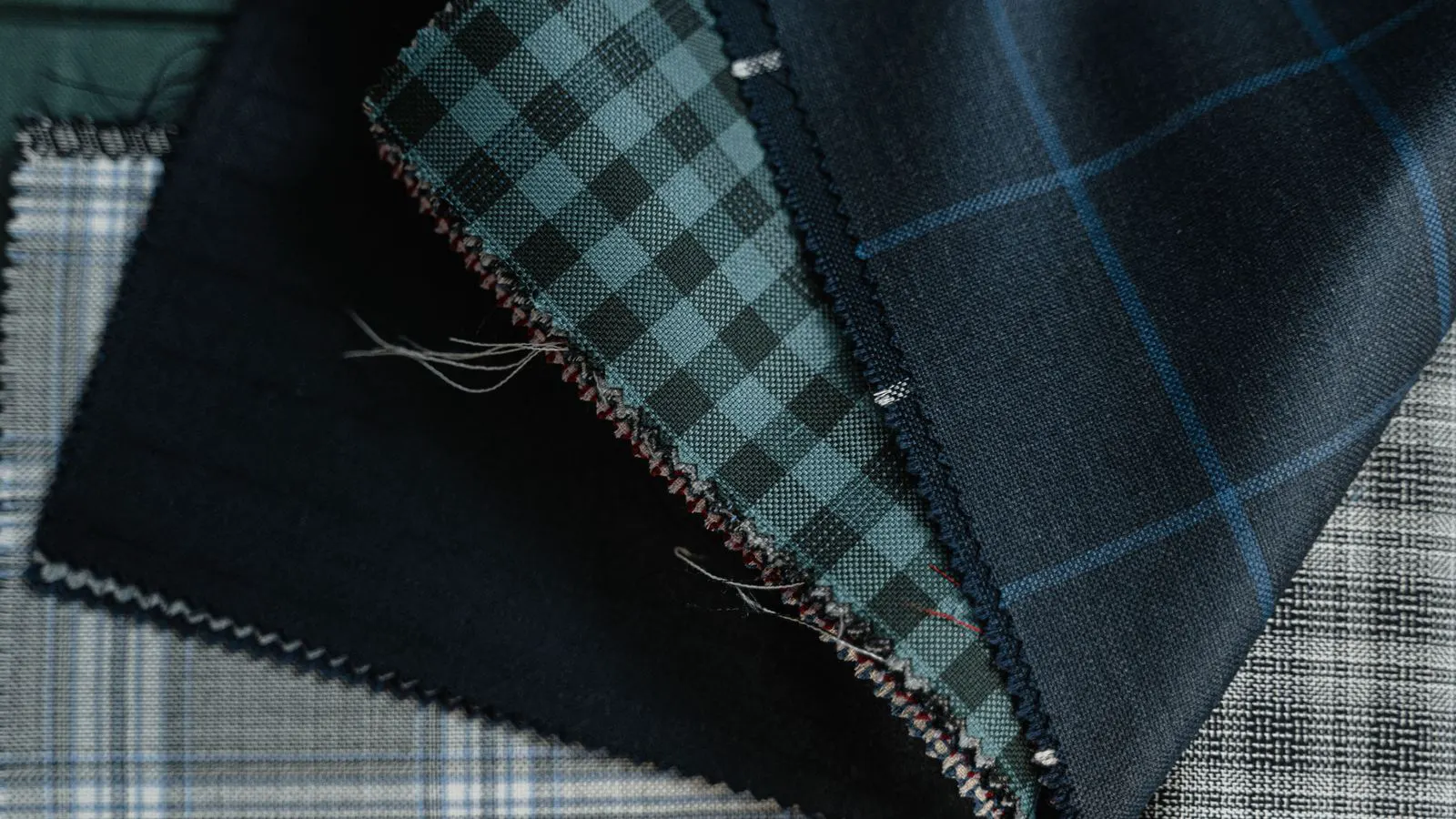
Swatches are the second evaluation tool. Examine the fabric under different lighting conditions. Check the color under both artificial and natural light. Feel the fabric to assess the hand feel and thickness. This physical evaluation complements the written specifications.
Also consider the cleaning requirements. Some upholstery textiles tolerate dry cleaning only. Others can be spot cleaned with specific products. The cleaning method affects how the fabric maintains its appearance over time. A fabric that is difficult to clean may show stains and marks more quickly, even if the structural performance is good.
A Worked Example: Sourcing a Sofa Fabric
Consider a project requiring fabric for a set of five armchairs in a residential living room. The room has a large window facing south, receiving direct sunlight for several hours each day. The chairs will be used by a family of four for reading, working, and relaxing.
The buyer requests three fabric options from a supplier. Option A is a cotton blend with a moderate wearing strength rating and a low light fastness rating. Option B is a polyester weave with a high wearing strength rating and a moderate light fastness rating. Option C is a cotton-linen blend with a high wearing strength rating and a high light fastness rating.
Option A will likely fade noticeably in the first year due to the direct sunlight. The cotton may also wear at the seat and armrest contact points. Option B will withstand the physical wear well but may show some color change over time. Option C offers the best balance of durability and color retention for this specific application.
The buyer selects Option C. The fabric will maintain its appearance in the sunlit room. It will withstand the daily use of the family. The test reports confirm the performance ratings. The swatches look correct under the room’s lighting conditions. This approach prevents the buyer from purchasing a fabric that looks good initially but fails in the intended environment.
Common Sourcing Mistakes to Avoid
Buyers often make errors that lead to poor performance or costly replacements. The most common mistake is selecting fabric based on appearance alone. A fabric may look perfect in a showroom but fail in the actual installation environment.
Another error is not matching the fabric to the traffic level. A residential fabric used in a commercial setting will wear out faster than expected. The result is a need for replacement that disrupts the project and increases costs.
A third mistake is ignoring the lighting conditions. A fabric with poor light fastness will fade in a bright room. This changes the visual appearance and may require a complete replacement.
Finally, buyers should not accept vague specifications. If a supplier cannot provide test reports or specific performance data, the fabric may not meet upholstery grade standards. This creates uncertainty about the product’s actual performance.
By using the information in this guide, buyers can make more informed sourcing decisions. They can select upholstery textile products that will perform well in the intended environment. This leads to better results, fewer replacements, and a higher quality final installation.
Final Thoughts on Upholstery Textile Selection
Understanding upholstery textile grades requires looking beyond the surface appearance. The performance metrics of wearing strength and light fastness determine how a fabric will hold up in real use. These two factors must be evaluated together with the intended application and environment.
Professional buyers should request detailed specifications and test reports from suppliers. They should examine swatches under relevant lighting conditions. They should match the fabric performance to the expected traffic and light exposure. This approach ensures that the fabric selected will perform as expected over the long term.
The result is a more durable and consistent installation. The project meets the intended quality standard. The fabric maintains its appearance and structure through daily use. This is the goal of proper upholstery textile sourcing.
Frequently asked questions
What is the main difference between standard fabric and upholstery grade fabric?
Upholstery grade fabric is tested for higher wearing strength and better light fastness. It is designed to withstand daily physical use and maintain color in light exposure.
How do I know if a fabric is suitable for a sunroom?
Check the light fastness rating on the test report. Choose a fabric with a higher rating if the room receives direct sunlight for many hours each day.
Can I use a curtain fabric for a sofa?
Generally, no. Curtain fabrics are not tested for the level of friction and abrasion required for upholstery. They may wear through quickly in a seating application.
What documentation should I request from a supplier?
Request test reports that specify the wearing strength cycle count and light fastness rating. Also request swatches to examine the fabric physically and under relevant lighting.
Why is wearing strength important for commercial seating?
Commercial seating experiences higher traffic and more frequent use. A fabric with higher wearing strength will last longer and maintain its appearance in these conditions.