Cotton vs Linen Weave Performance for Hotel Linens
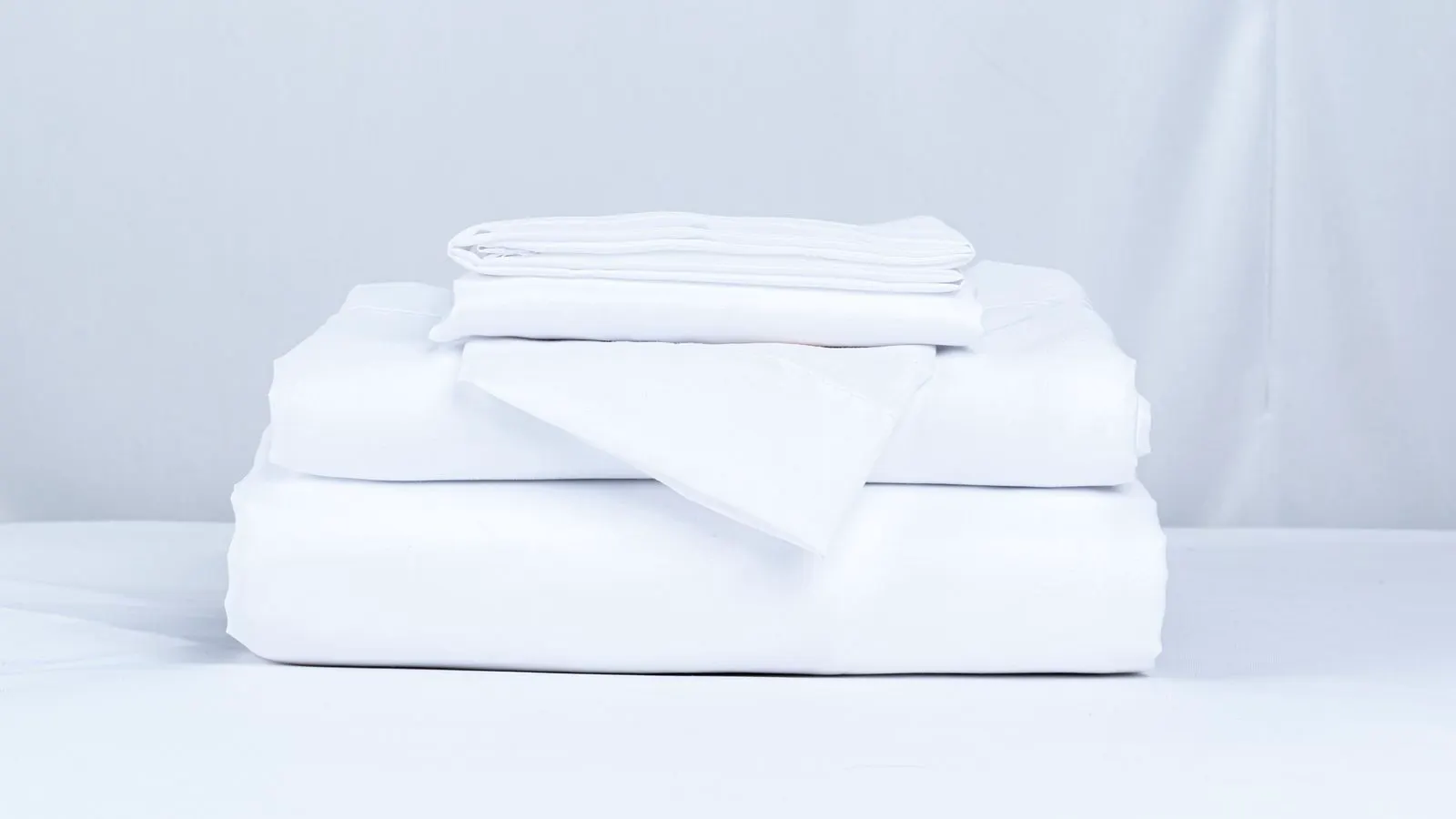
Cotton and linen serve different hospitality needs. Cotton offers softness and easy dyeing, while linen provides breathability and structural strength. The right choice depends on climate, service standards, and maintenance capacity.
- Cotton weaves prioritize softness, colorfastness, and easy processing, making them common for standard guest rooms.
- Linen weaves offer higher breathability and a distinct hand feel, but demand careful care to prevent wrinkles.
- Percale and sateen are the dominant cotton structures for hospitality bedding, while linen is often woven in twill or plain structures.
- Selection depends on climate, brand positioning, and laundry throughput.
- Thread count alone does not determine performance; yarn type and weave density matter more.
How weave structure shapes hotel linen performance
Weave types determine how fibers interact under friction, heat, and repeated laundering. In hospitality, a sheet must survive hundreds of wash cycles while keeping guests comfortable. The structure of the fabric, not just the fiber, controls how it behaves.
Cotton and linen are the two most common natural fibers in hotel bed linens. Cotton yields to softness, dyes well, and handles industrial laundering predictably. Linen offers breathability and a crisp hand, but it wrinkles more and requires different drying practices.
The choice between them is rarely about quality alone. It is about which trade-offs fit the property’s service model.
Which cotton weave suits high-turnover guest rooms
Cotton dominates the hospitality market because it processes well in large-scale laundry lines. Two structures appear most often in hotel bedding: percale and sateen.
Percale uses a plain weave. The warp and weft threads cross over and under in a regular, alternating pattern. This creates a flat, crisp surface. It is easy to iron and holds shape well. Many budget and mid-tier properties use percale for sheets because it dries fast and resists pilling.
Sateen uses a satin weave. The weft threads float over several warp threads before passing under. This creates a subtle sheen and a smoother, softer hand. It feels more luxurious but is more prone to snagging. Properties aiming for a premium feel often choose sateen, especially for duvet covers and pillowcases.
Both structures work with the same cotton yarns, but the weave changes the feel. A 400-thread-count percale sheet can feel crisp and cool. A 400-thread-count sateen sheet feels warmer and silkier. The thread count is a useful reference, but the weave type does the heavy lifting.
How linen weave types differ from cotton
Linen is usually woven in plain or twill structures. Plain linen mirrors the percale structure but with a rougher, more textured surface. Twill linen, often called duck or canvas in heavier weights, creates a diagonal ridge. This structure adds strength and gives the fabric a drape that cotton rarely matches.
Linen’s performance comes from its fiber shape. The flax fiber is naturally hollow, which allows air to pass through quickly. In hot climates, linen sheets stay cool longer. In cold climates, they can feel crisp, which some guests prefer and others find less cozy.
The weave affects how linen handles washing. A tight plain weave shrinks less and wrinkles less than a loose one. A twill structure drapes better but can show creases more prominently. Many luxury hotels use linen in duvet covers and throw pillows rather than fitted sheets, where a flat surface is easier to maintain.
Cotton versus linen in a practical comparison
The table below compares the main options for hospitality use.
| Option | Best for | Limitations |
|---|---|---|
| Cotton percale | Standard guest rooms, high-turnover properties | Can feel crisp rather than soft; less drape than sateen |
| Cotton sateen | Premium rooms, properties emphasizing softness | More prone to snagging; slower drying than percale |
| Linen plain weave | Hot climates, eco-focused brands | Wrinkles more; requires careful ironing or acceptance of texture |
| Linen twill | Luxury properties, duvet covers and throws | Heavier hand; higher cost; less common for fitted sheets |
| Blended cotton-linen | Properties seeking a middle ground | Performance falls between pure fabrics; may feel less crisp than linen or softer than pure cotton |
Each option fits a specific service level. A property with 200 rooms and a standard laundry line will likely standardize on cotton percale. A boutique hotel in a Mediterranean climate might choose linen for its breathability and distinctive look.
Durability under industrial laundering
Hotel linens face a harsh cycle. They are washed at high temperatures, tumble-dried, and folded repeatedly. The weave structure determines how the fabric holds up over time.
Cotton percale shrinks slightly in the first few washes, then stabilizes. The plain weave resists distortion well. If the cotton is long-staple, the yarns resist pilling. If it is short-staple, the surface can roughen faster.
Linen shrinks more noticeably in the first wash. After that, it stabilizes. The twill structure adds strength, but the flax fiber can wear at the edges if the fabric is pulled too tightly during ironing. Linen also tends to develop a patina. It softens over time in ways cotton does not. Some guests love that. Others see it as a sign of age.
Thread count does not guarantee durability. A low-thread-count cotton sheet with a tight weave can outlast a high-thread-count sheet with loose yarns. Weave density and yarn strength matter more than the number printed on the tag.
Comfort and guest perception
Guests judge comfort in the first minute. They feel the fabric against their skin, notice the temperature, and register the hand.
Cotton sateen feels smooth and warm. It works well in temperate and cold climates. Percale feels cool and crisp. It suits warm climates and guests who prefer a fresh, dry feel.
Linen feels textured and breathable. It cools quickly and dries fast. In summer, it is hard to beat. In winter, it may require layering with a duvet or throw. The texture can feel rustic to some guests and refined to others.
The brand positioning matters here. A hotel that markets itself as modern and minimal may pair linen with clean lines and neutral colors. A hotel that markets itself as cozy and inviting may lean toward cotton sateen in warm tones.
How to choose for your property
Start with your climate. Hot and humid climates favor linen or cotton percale. Cold and dry climates favor cotton sateen or a heavier linen twill.
Next, review your laundry capacity. Linen takes longer to dry and needs more careful handling. If your laundry line is already at capacity, cotton percale is a lower-risk choice. If you have the space and staff, linen adds a tactile element that cotton cannot match.
Consider your brand. If you want a clean, standardized look, cotton percale delivers. If you want a distinctive, natural feel, linen plain or twill works. Blends offer a compromise but can dilute the character of both fibers.
Finally, test samples. Order small quantities of each weave type. Wash them three times. Iron them. Feel them when damp and when dry. The first wash reveals how the fabric behaves under stress. The third wash shows how it settles. That is the data you need before committing to a full purchase.
Common mistakes in selecting weave types
One mistake is relying on thread count alone. A 600-thread-count percale sheet can feel stiffer than a 400-thread-count sateen sheet. The structure matters more than the number.
Another mistake is ignoring the yarn. Long-staple cotton produces a smoother surface than short-staple. High-quality flax produces a softer linen than low-quality flax. The fiber source changes the hand, regardless of weave.
A third mistake is choosing one fabric for every product. Many properties use cotton percale for fitted sheets and linen for duvet covers. This balances durability with comfort and keeps the laundry line manageable.
Maintenance and cost over time
Cotton percale is the easiest to maintain. It irons well, dries fast, and resists stains if treated with standard finishes. Linen is more forgiving with stains but more demanding with wrinkles. A property that accepts a slightly rumpled look can reduce ironing time. A property that requires a crisp finish will spend more labor on linen.
Blends sit in the middle. They are easier to iron than pure linen and softer than pure cotton percale. They may not match the crispness of linen or the smoothness of sateen, but they offer a practical middle path.
The long-term cost is not just the purchase price. It is the laundry labor, the shrinkage, the replacement cycle, and the guest perception. A slightly more expensive linen duvet cover that lasts longer and feels premium can justify the cost. A cheap cotton sheet that pills after a few months will not.
Frequently asked questions
Which weave type is most durable for hotel bed sheets?
Cotton percale is generally the most durable for fitted sheets because its plain weave resists distortion and handles industrial laundering well. Twill linen is also strong but is more often used for duvet covers than fitted sheets.
Does thread count matter more than weave type?
No. Thread count is a reference point, but the weave structure and yarn quality determine how the fabric feels and lasts. A low-thread-count percale sheet can outperform a high-thread-count sateen sheet in durability.
Can linen be used for fitted sheets in a hotel?
Yes, but it is less common. Linen wrinkles more and requires careful ironing. Many hotels use cotton percale for fitted sheets and reserve linen for duvet covers, pillowcases, or throws.
Which fabric is better for hot climates?
Linen and cotton percale both work well in hot climates. Linen breathes more and dries faster. Cotton percale is easier to maintain and irons better.
How do I test which weave type fits my property?
Order small samples of each weave type. Wash and iron them three times. Check how they feel when damp and dry, and how they hold up after the third wash. That gives you a realistic picture of long-term performance.