Buyer's Guide: Choosing the Right Blackout Fabric for Hotels
This guide shows hotel buyers how to evaluate blackout fabric by measuring light transmission, verifying fire retardancy, and testing mechanical durability to ensure guest comfort and compliance in hospitality settings.
- Measure light transmission directly to verify true blackout capability before committing to a large order.
- Verify fire safety documentation and third-party lab reports that match your local building and fire regulations.
- Test mechanical durability by checking double-needle stitching, hem allowances, and fabric weight for long-term hotel use.
- Match fabric weight and drape to the curtain hardware and guest experience goals of your property.
What Blackout Actually Means in Hotel Room
Hotel blackout curtains fail in three common ways. They let light through at the edges. They do not meet fire codes. They wrinkle, fade, or tear after a few seasons of daily use. A buyer must check each failure mode before signing a purchase order.
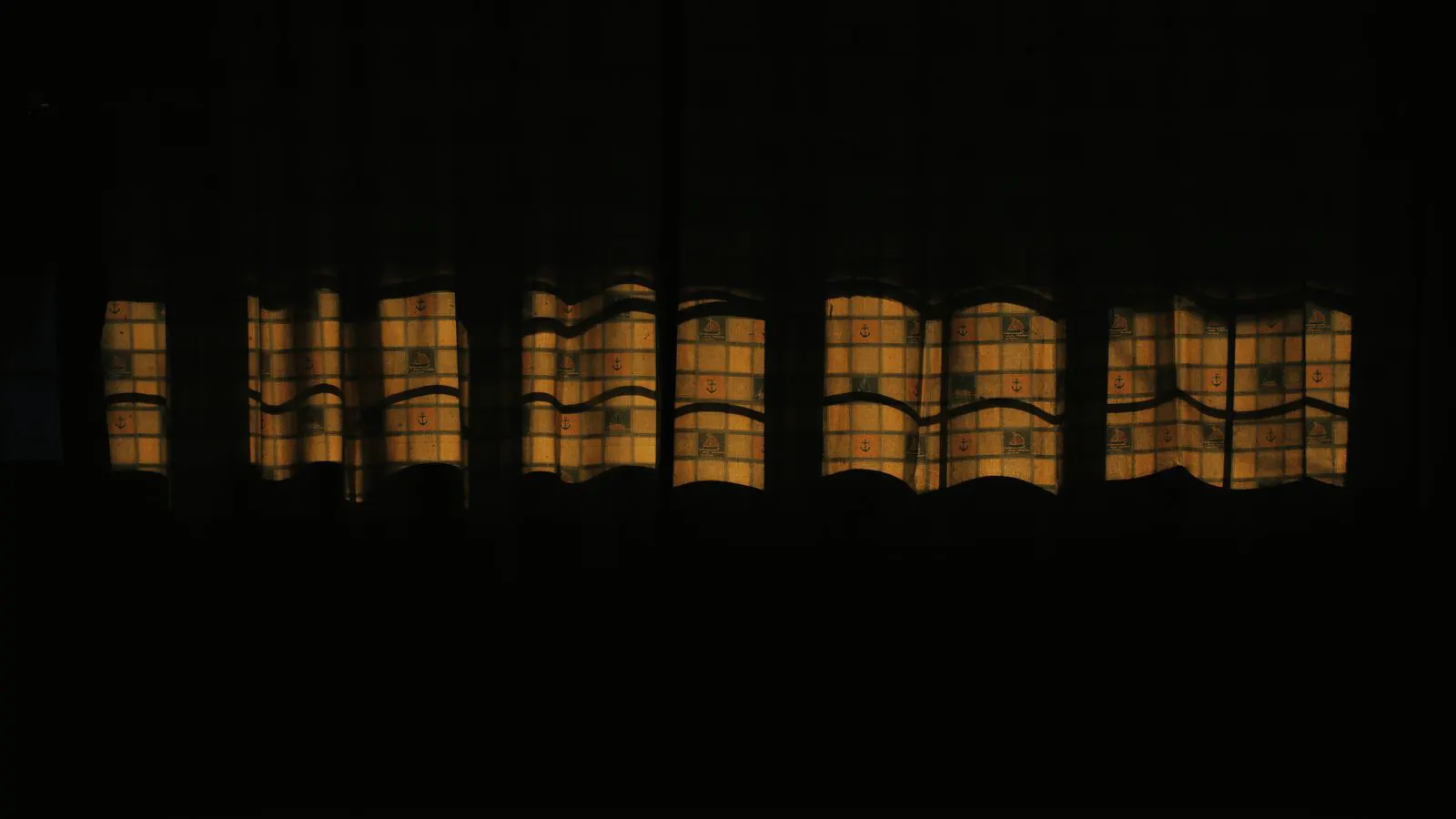
Light transmission is the first test. A fabric labeled blackout may only block 80 to 90 percent of visible light. That leaves enough glow for a guest to see the street or a hallway lamp. True blackout performance depends on fabric density, backing, and how tightly the material covers the window frame. When a guest sleeps in a ground-floor room facing a parking lot, even a faint halo around the curtain edge ruins the rest. The fabric must be opaque enough to eliminate that glow. Density matters here. A tightly woven cotton or a synthetic blend with a high gram-per-square-meter weight blocks more light than a loose weave. The backing adds a second layer of obstruction. If the backing is thin or poorly bonded, light passes through the gaps in the primary weave.
Fire safety is the second test. Hotel textiles must meet specific flame resistance standards set by local building authorities. The buyer needs lab reports that show the exact fabric and backing passed the required tests. A generic certificate for a similar fabric is not enough. Fire codes distinguish between curtains used in guest rooms and those in public lobbies. The distinction matters because lobbies have higher foot traffic and different egress requirements. The fabric composition must match the test specification exactly. If the supplier changes the backing between the lab test and the bulk production run, the previous certificate becomes invalid.
Durability is the third test. Hotel curtains are pulled, pushed, and washed repeatedly. The buyer should check stitch count, hem allowance, and fabric weight. Thin fabrics may block light well but tear at the seams within a year. Housekeeping staff pull the fabric by the hem to remove it for cleaning. This puts constant stress on the bottom edge. If the hem is not reinforced, the fabric unravels. The side seams also suffer when the curtain is bunched for washing or pulled across the rod. A durable curtain requires construction that withstands mechanical stress, not just chemical cleaning.
How to Measure Blackout Performance Before Ordering
Start with a physical test. Ask the supplier for a large swatch that includes the main face and any backing. Cut a sample to the size of a hotel window panel. Hang it in a bright room and measure the light that reaches the wall behind it. Do not rely on the supplier’s description of “blackout” or “dark room.” Those terms are subjective. Use a lux meter if one is available. Measure the light level with the window uncovered. Then cover it with the sample. Record the difference. A true blackout fabric will leave the wall in near darkness, even with the meter on a low setting.
Check the edges. Most light leaks come from the top, bottom, and side gaps. The fabric should have enough weight to hang straight without curling. If the edges curl, the gap lets light in. Curling happens when the backing is heavier than the face fabric or when the fabric is not pre-shrunk properly. Pre-shrinking is a critical process. If the fabric shrinks after the first wash, the edges pull away from the frame. The light gap widens. The buyer should ask for pre-shrunk samples. If the supplier cannot provide a pre-shrunk sample, the finished curtain will likely fit poorly after the first cleaning cycle.
Ask the supplier about the backing. Some blackout fabrics use a polyurethane or vinyl coating. Others use a tightly woven double layer. Coated fabrics block light well but can feel heavy and may peel over time. Woven double layers feel softer but may require a tighter fit to block light completely. Coated fabrics are often easier to clean because the liquid is repelled. However, the coating can degrade if the cleaning solution is too aggressive. Woven double layers are more breathable but may trap moisture if not dried properly. The choice depends on the cleaning protocol of the property. A hotel with a central laundry using high-temperature drying may prefer a woven construction that tolerates heat. A property with a delicate cleaning routine may prefer a coated fabric that repels dirt.
Perform the edge test in a real room. A sample in a dark storage room looks different from a sample in a bright guest room. Hang the sample on the actual window track. Close it. Stand in the center of the room. Look at the edges. If you see a line of light, the fabric is not ready. Adjust the fit. Add a wider hem. Extend the top rail. Ensure the bottom hem covers the floor or the sill without dragging. The fit is as important as the fabric.
Fire Safety Documentation for Hotel Textiles
Fire safety requirements vary by region and building type. A hotel buyer must know which standard applies to the property. The fabric must meet that standard before it enters the guest rooms. Contact the local fire marshal or building code officer. Ask for the specific textile standards required for guest room curtains. Do not assume the standard used for the lobby applies to the rooms. The tests are different.
Request the lab report for the exact fabric. The report should name the supplier, the lab, the test method, and the date. It should also list the backing, if there is one. A report for a similar fabric or a different lot does not meet the requirement. Fabric lots vary. Even within the same color, the fiber blend can shift slightly between batches. The lab report must match the lot number on the invoice. If the lot number changes, request a new report.
Check the flammability rating. Some standards test for flame spread. Others test for smoke development. Some require both. A fabric may pass one test and fail another. The buyer must confirm the specific test the local authority requires. Flame spread measures how fast a flame travels across the fabric. Smoke development measures the density and opacity of the smoke produced. High smoke density reduces visibility during an emergency. It is a major concern in multi-story hotels. The buyer should ask for both ratings if the local code requires it.
Store the lab report with the purchase order. If the property faces an inspection, the report must be available quickly. A missing document can halt room operations until a replacement is tested. Keep a digital copy in the property management system. Print a physical copy and file it with the original purchase order. Inspectors may ask for the report during a routine check. If it is missing, the inspector may require a temporary shutdown of the affected rooms. This causes revenue loss and guest inconvenience. Keep the documentation current. If the fabric is replaced in a future renovation, the new fabric needs its own report.
Durability Checks for High-Turnover Hotel Rooms
Hotel curtains face daily handling. A guest pulls the curtain open and closed each morning. Housekeeping may rehang it after cleaning. The fabric must survive this cycle without fraying. Count the stitches per inch on the hem. A higher count means more thread tension and stronger seams. Double-needle stitching on the hem and side seams holds up better than single-needle stitching. The hem should allow for a standard hotel curtain length. A hem that is too short may not cover the floor line. A hem that is too long may catch on the floor.
Check the fabric weight. A lightweight fabric may drape nicely but may tear at the grommets or rings. A heavier fabric hangs straighter but may stress the curtain rod. The buyer should match the fabric weight to the hardware. Grommets are metal or plastic rings sewn into the top edge of the curtain. They slide over the rod. If the fabric is too heavy for the grommets, the rings deform or break. The rod must support the weight of the full curtain. A heavy blackout fabric can weigh significantly more than a standard drape. Use a reinforced rod. Install it firmly into the wall. A loose rod sags in the middle. The fabric pools on the floor. The edges lift, letting light in.
Test the color. Hotel curtains see sunlight and artificial light. Ask for a colorfastness report. The fabric should not fade noticeably after repeated washing. A faded curtain loses its blackout performance and looks worn. Colorfastness to light is measured by exposing the fabric to UV light in a controlled environment. Colorfastness to washing is measured by subjecting the fabric to repeated laundering cycles. Ask the supplier for the results. If the fabric fails the washing test, it will look dull after a few months. If it fails the light test, it will fade near the window. The buyer should match the colorfastness rating to the cleaning frequency. A high-turnover hotel may wash curtains every six months. A low-turnover hotel may wash them every year. The fabric must survive the specific frequency of the property.
Check the texture. A textured fabric hides small wrinkles better than a smooth fabric. Wrinkles are common in hotel rooms. A textured surface makes them less noticeable. A smooth fabric shows every fold. After a long stay, the fabric develops permanent creases from being bunched in the laundry. A textured weave, such as a subtle twill or a ribbed knit, masks these creases. The buyer should request a sample of the textured fabric. Look at it in different lighting. Check it after a simulated wash and dry cycle. If the texture flattens or the wrinkles set, the fabric may not hold up well.
Matching Fabric Weight and Drape to the Brand
The fabric must fit the property. A boutique hotel may want a soft, matte finish. A business hotel may want a crisp, formal look. The weight of the fabric changes the drape. A medium weight fabric drapes in soft folds. It feels comfortable and blocks light well. A heavy fabric drapes in straight lines. It looks formal but may be harder to open and close. A lightweight fabric drapes loosely. It may look elegant but may not block light at the edges. The buyer should see the fabric in the actual room. Light direction changes the appearance. A fabric that looks black in a sample room may look dark gray in direct sunlight.
Check the texture. A textured fabric hides small wrinkles better than a smooth fabric. Wrinkles are common in hotel rooms. A textured surface makes them less noticeable. A smooth fabric shows every fold. After a long stay, the fabric develops permanent creases from being bunched in the laundry. A textured weave, such as a subtle twill or a ribbed knit, masks these creases. The buyer should request a sample of the textured fabric. Look at it in different lighting. Check it after a simulated wash and dry cycle. If the texture flattens or the wrinkles set, the fabric may not hold up well.
Consider the guest experience. A heavy curtain feels substantial when the guest pulls it. It adds a sense of privacy and quality. A light curtain feels flimsy. It may not satisfy a guest who expects a high-end hotel. The weight should match the brand positioning. A luxury boutique may prefer a heavier fabric with a matte finish. A budget business hotel may prefer a lighter fabric with a shiny finish. The fabric weight also affects the cleaning process. A heavy fabric takes longer to dry. It may require a larger dryer or a longer cycle. A light fabric dries quickly but may wrinkle if not ironed. The buyer should consider the total cost of ownership. A slightly more expensive heavy fabric may last longer and look better. A cheaper light fabric may need replacement every two years.
A Practical Sourcing Checklist
Use this table to compare suppliers. Print it and take it to the trade show or request the data from the mill.
| Criterion | What to look for | Why it matters |
|---|---|---|
| Light transmission | Lux meter reading or supplier data | Confirms true blackout performance |
| Fire rating | Lab report for the exact fabric | Meets local building and safety codes |
| Stitching | Double-needle hem and seams | Resists daily hotel use |
| Fabric weight | Grams per square meter | Affects drape and hardware stress |
| Colorfastness | Washing and light fastness data | Prevents fading over time |
| Backing type | Woven, coated, or laminated | Affects feel, cleaning, and longevity |
The buyer should score each supplier on these points. A supplier that fails one point, such as fire rating, is out. A supplier that fails two points is a high risk. Do not negotiate on fire safety. If the fabric does not meet the local code, it cannot be used. Period. The other points can be negotiated. A supplier with excellent light transmission but poor stitching may be acceptable if the hotel has a strict housekeeping routine. A supplier with average light transmission but excellent fire rating may be acceptable if the windows are shaded by trees. The priority depends on the property. But fire safety is non-negotiable.
Common Mistakes in Hotel Curtain Sourcing
Buyers often order based on a small sample. A small swatch looks good. A full panel may not. Always order a full-size panel before the bulk order. The drape of a 20-inch swatch is different from a 6-foot panel. The weight distribution changes. The edges behave differently. A full-size panel reveals the true character of the fabric. It shows how the hem falls. It shows how the top gathers. It shows how the backing behaves in a real room.
Buyers often ignore the backing. The backing determines how the fabric cleans and how long it lasts. A coating that is not rated for the cleaning process will fail. If the hotel uses a chlorine-based bleach, a polyurethane coating may yellow or crack. If the hotel uses a high-temperature dryer, a vinyl coating may shrink or delaminate. Ask the supplier for the cleaning care instructions. Test the fabric in the property’s laundry equipment. Run a wash cycle. Run a dry cycle. Inspect the fabric. If it shrinks, fades, or peels, do not order it.
Buyers often skip the edge test. Light leaks at the edges are the most common complaint. A fabric that blocks light in the center but leaks at the sides will not satisfy guests. The top edge is critical. If the curtain is not tall enough, light enters from above. The bottom edge is critical. If the curtain is not long enough, light enters from below. The side edges are critical. If the curtain is not wide enough, light enters from the sides. Measure the window carefully. Add extra width for the overlap. Add extra height for the hem. The fabric must cover the frame completely.
Buyers often mix fabrics in one room. Mixing a blackout fabric with a sheer fabric creates gaps. The blackout fabric must cover the full window area. A sheer layer behind a blackout layer may look decorative, but it does not help with light blocking. It can trap moisture. It can complicate cleaning. If the property wants a layered look, use two blackout layers. Or use a blackout fabric with a decorative lining that is also opaque. Do not rely on a sheer layer to hide the edges of the blackout fabric. The blackout fabric must do the work. If it does not block light, no lining will fix it.
Frequently asked questions
How do I know if a blackout fabric will meet my hotel's fire code?
Request the lab report for the exact fabric and backing. The report must list the test method and date. Confirm it matches the standard required by your local building authority.
What is the best way to test light transmission?
Hang a full-size sample over a window in a bright room. Measure the light that reaches the wall with a lux meter. A true blackout fabric will leave the wall in near darkness.
Should I choose a coated or woven blackout fabric?
Coated fabrics block light well but may feel heavy and can peel. Woven double layers feel softer but may need a tighter fit. Test both in the actual room.
How much fabric weight is too heavy for hotel curtains?
Match the weight to the curtain hardware. A heavy fabric may stress the rod and rings. A medium weight fabric usually works for standard hotel setups.
Can I mix blackout fabric with other curtains in a hotel room?
Avoid mixing. Gaps between different fabrics let light in. Use one blackout fabric for the full window area to ensure proper light control.