Fixing Curtain Wrinkles: A Guide to Steam and Ironing Methods
Use targeted steam, low heat ironing, or tension adjustment to remove wrinkles from drape fabric. Identify the cause first, then apply the appropriate fix to restore a clean, professional finish without damaging fibers.
- Always identify the wrinkle cause before applying heat to avoid setting stains or distorting the fabric.
- Steam is the safest first choice for most drape fabric types, especially synthetic blends.
- Ironing requires low heat and a pressing cloth to protect delicate fibers and finishes.
- Prevention through proper installation and post-delivery steaming saves time and protects the material.
- Store and handle hanging textiles with care to minimize recurring crease patterns.
Why Do Hanging Textiles Develop Wrinkles?
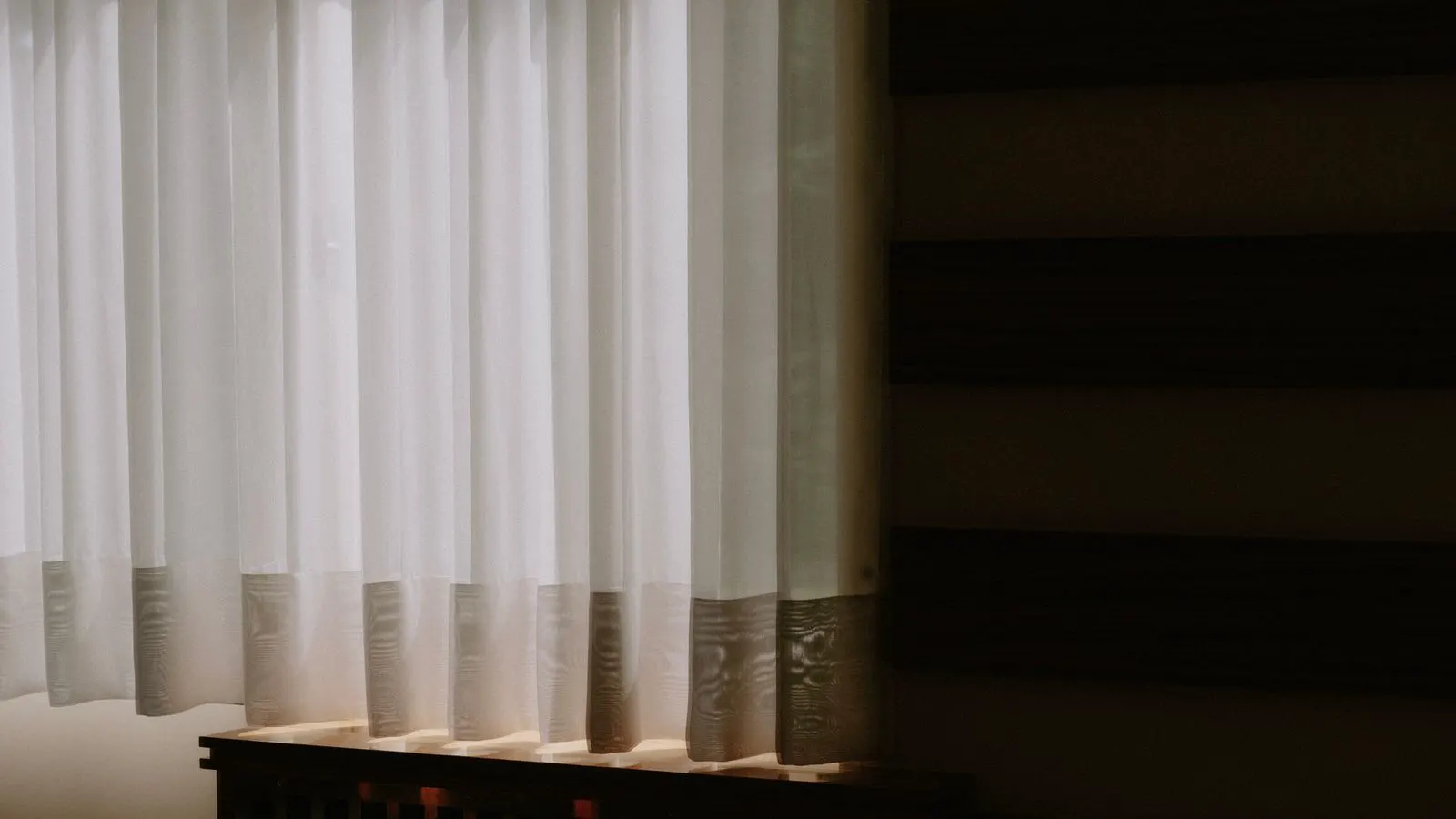
Wrinkles appear on curtain panels and upholstered covers for predictable reasons. Fabric is cut from a bolt that has been rolled, folded, or stacked. During transport and installation, compression forces create crease lines that the fiber structure resists. Once the textile hangs, gravity pulls the material down, but the compressed areas do not relax immediately. The result is a visible pattern of folds, bumps, or stiff lines that reduces the professional appearance of the installation.
Understanding the cause helps you choose the right fix. A soft, shallow fold usually responds to steam. A sharp crease from long-term compression may need ironing or tension adjustment. A stiff line that does not move at all suggests a chemical or structural issue that requires a different approach.
Common Symptoms and Their Causes
The table below lists the most frequent wrinkle patterns seen in retail and installation environments. Match the symptom to the likely cause, then apply the corresponding fix.
| Symptom | Likely cause | What to do |
|---|---|---|
| Soft, shallow folds near the bottom of the curtain | Normal settling after hanging; fabric has not relaxed fully | Steam the lower portion from the back side, allowing the fabric to hang and cool |
| Sharp, hard crease running horizontally across the panel | Long-term compression from folding or storage | Use a low-heat iron with a pressing cloth, working from the backside |
| Stiff line that does not move after steaming | Resin or finishing agent in the fabric, or chemical exposure | Avoid heat; try gentle tension adjustment or consult the fabric supplier |
| Repeated vertical creases along the rod pocket | Improper tension or uneven hanging points | Adjust the rod, rings, or tension system before applying any heat |
| Wrinkles only on one side of the fabric | One-sided compression or uneven drying after washing | Steam the affected side, then allow the panel to hang evenly for several hours |
| Small puckers or bumps scattered across the surface | Localized compression from a pin, clip, or sharp edge | Gently steam the area; if the pucker persists, check the hanging hardware for damage |
Steam: The Primary Method for Most Drape Fabric
Steam is the standard first step for wrinkle removal in hanging textiles. It relaxes the fiber structure without direct contact, which protects delicate finishes and prevents scorching. For most drape fabric types, including cotton, linen blends, polyester, and synthetic blends, steam is safe and effective.
Use a handheld garment steamer or a commercial steaming unit. Keep the nozzle two to three inches from the fabric. Move the steam in slow, overlapping passes from the bottom of the curtain upward. This direction lets gravity pull the fabric flat as it cools. For upholstered covers, work in small sections and allow each area to dry before moving on.
Do not use high-pressure steam on delicate or lined fabrics. The force can push air into the weave and create new wrinkles. Use low pressure and keep the fabric slightly taut with one hand while steaming with the other. If the drape fabric has a backing or lining, steam the outer layer only. The heat will transfer through the material and relax the inner layer without damaging it.
Ironing: When Steam Is Not Enough
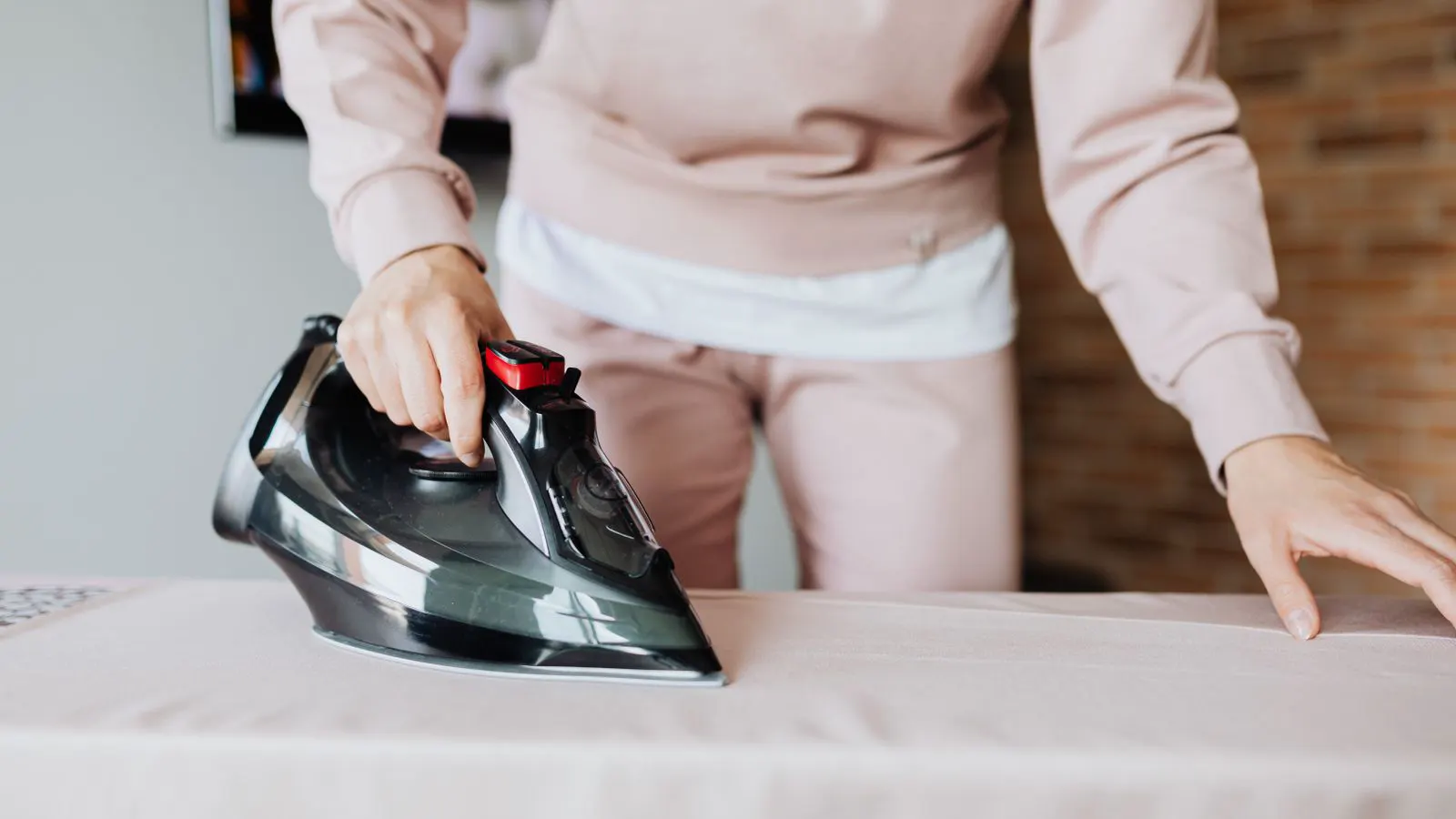
Ironing is a secondary method for stubborn creases. It provides direct heat and pressure, which can flatten lines that steam alone cannot resolve. However, it carries a higher risk of damaging the fabric if used incorrectly.
Always use the lowest heat setting appropriate for the fiber content. Check the care label or the supplier data sheet before applying heat. For synthetic drape fabric, use a cool or low setting. For cotton and linen, use medium heat. For mixed fabrics, start low and test a hidden area first.
Use a clean cotton pressing cloth between the iron and the fabric. This prevents scorching, shiny marks, and direct pressure points. Press the cloth against the fabric for one to two seconds, then lift and move. Do not drag the iron. Dragging creates new creases and can distort the weave.
For curtain panels, iron from the backside. The heat will transfer through the fabric without risking the front surface. For upholstered covers, work in small sections and support the fabric with a padded board or a firm surface. Never iron over a hard edge or a sharp corner, as this will create a new crease at the fold line.
Tension and Hardware Adjustments
Sometimes the wrinkle is not a fabric problem but an installation problem. If the curtain panel hangs with uneven tension, the fabric will pull in one direction and fold in another. This creates a permanent-looking crease pattern that steam and ironing cannot fully fix.
Check the rod or track. Is it level? Are the rings or sliders evenly spaced? Is the tension consistent along the length of the panel? Adjust the hardware before applying heat. If the rod is sagging in the middle, raise the center support. If the rings are clustered, redistribute them. For track systems, check that the vanes are not bent or that the panel is not caught in a groove.
After adjusting the hardware, hang the panel and let it rest for several hours. The fabric will settle into its new tension pattern. If wrinkles remain, apply steam or ironing as needed. This two-step approach addresses the root cause and produces a longer-lasting result.
Prevention: Reducing Wrinkles Before They Form
Prevention is faster and cheaper than remediation. Proper handling during delivery, storage, and installation reduces the chance of crease formation.
- Unroll or unfold the fabric in a clean, flat area before hanging. Let it rest for several hours to allow the fiber structure to relax.
- Hang the curtain on the rod or track immediately after unrolling. Do not leave it folded or compressed in a bag.
- Use the correct hardware for the fabric weight. Heavy drape fabric needs a sturdier rod and wider rings or sliders. Light fabric needs smaller rings to prevent bunching.
- Keep the hanging area away from direct heat sources. Radiators, fireplaces, and direct sunlight can stiffen the fibers and set creases.
- Perform a post-installation steam pass. This removes minor settling wrinkles before the customer notices them.
Store spare panels and upholstered covers in a cool, dry area. Roll them loosely around a padded tube rather than folding them sharply. If you must fold, use tissue paper between folds to reduce friction and compression.
Special Considerations for Upholstery and Lined Fabrics
Upholstery covers and lined curtains require extra care. Upholstery fabric is often a performance material with a backing, a coating, or a specialized finish. Heat can alter the texture, change the color, or degrade the coating. Always check the supplier data sheet before applying steam or ironing. If the data sheet lists a maximum temperature, stay below that.
For lined curtains, steam the outer layer only. The heat will transfer to the lining and relax it. Do not apply direct ironing to lined fabric unless the lining is a simple cotton or polyester blend and the care label permits it. If the lining is a synthetic or a special finish, avoid ironing entirely and use steam only.
For performance upholstery fabrics, such as those with stain-resistant or flame-retardant treatments, steam is generally safer than ironing. The heat can react with the treatment and reduce its effectiveness. When in doubt, use steam and allow the fabric to air dry. If a crease persists, consult the fabric supplier for a recommended treatment.
When to Escalate to the Supplier
Some wrinkles are not removable with standard steam or ironing. A stiff, chemical-set crease, a damaged weave, or a discoloration pattern may require professional treatment or replacement. If a wrinkle does not respond to steam and low-heat ironing, stop and assess.
Contact the fabric supplier with a clear description of the symptom, the fabric type, and the steps you have already tried. Provide a photograph if possible. The supplier can advise whether the issue is a fabric defect, a chemical reaction, or an installation error. They may recommend a specific treatment, a replacement panel, or a different installation method.
Do not continue applying heat to a fabric that is not responding. Repeated heat exposure can weaken the fibers, change the color, or damage the finish. A small, persistent wrinkle is better than a scorched or distorted panel.
Frequently asked questions
Can I use a regular household iron on curtain fabric?
Yes, but only on the backside and with a pressing cloth. Use the lowest heat setting appropriate for the fiber content. For delicate or lined fabrics, steam is safer.
How often should I steam a new curtain after installation?
Steam once immediately after hanging to remove settling wrinkles. Then steam only when needed, such as after washing or if a new crease appears from handling.
Will steam damage a synthetic drape fabric?
No, if you use low pressure and keep the nozzle at a safe distance. High-pressure steam can push air into the weave and create new wrinkles.
Can I iron an upholstered cover directly?
No. Use a padded board or a firm surface to support the fabric. Press with a cloth and avoid direct iron contact to protect the finish and prevent new creases.
What if a wrinkle comes back after steaming?
Check the installation. Uneven tension, a sagging rod, or clustered rings can pull the fabric into a crease pattern. Adjust the hardware first, then steam again. ===END===