Cotton vs Linen Curtains: Which Fabric Drape Fits Your Brand?
Cotton offers a softer, more controlled drape ideal for traditional or modern neutral spaces. Linen provides a textured, relaxed fall that suits organic and minimalist designs. The right choice depends on room function, light exposure, and the level of formal presentation required.
- Cotton drapes fall smoothly with predictable folds, making it easier to match specific design briefs.
- Linen curtains show texture and wrinkles naturally, which works well for relaxed, organic brand identities.
- Weight and fiber composition determine how fabric responds to wind, light, and repeated opening.
- Maintenance needs differ. Linen requires more care than cotton for stain resistance and colorfastness.
Understanding Drape in Curtain Fabric
Drape is not just about how heavy a curtain feels. It is the behavior of the cloth when it hangs from a rod, moves in air, and catches light. For buyers specifying curtain fabric, the material choice sets the visual tone before the pattern or color is even considered.
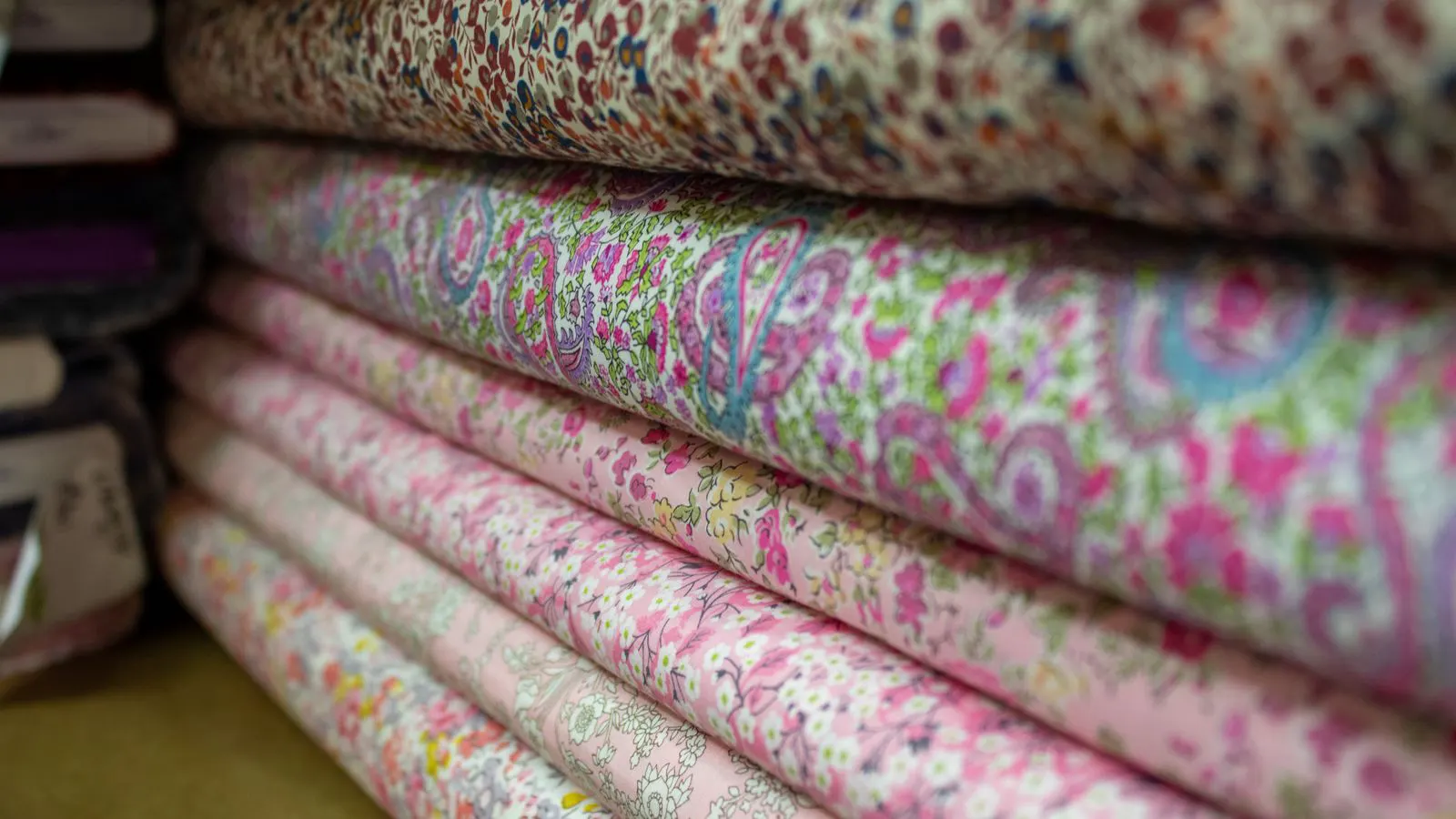
Cotton and linen are two of the most specified natural fibers in this category. They behave differently under the same conditions. A cotton panel will hang with softer, more rounded folds. A linen panel will show a more linear, textured fall. That difference is what drives the selection for specific brand aesthetics.
To understand why these two materials diverge so visibly, you have to look beyond the flat swatch. A swatch lies on a table. It has no weight acting on it, no wind to push it, and no light source to catch its surface. Once the fabric is hung, gravity takes over. The fiber structure dictates how the threads interlock and how the whole mass responds to force. This is where the initial selection process becomes a technical exercise rather than a purely visual one.
How Fiber Structure Shapes the Fall
The physical structure of the fiber determines the drape. Cotton is a short-fiber cellulose. It is spun into yarns that are smooth and round. This gives the fabric a softer edge and a more fluid movement.
Linen comes from flax. The fibers are longer and have a natural luster. They create a fabric with more body and a visible slub or texture. That structure makes linen hold its shape in a different way. It does not fold as softly. It breaks light differently.
When you look at a sample on a flat surface, the difference may be subtle. Once you hang it, the behavior becomes clear. Cotton gathers in softer pleats. Linen tends to fall in straighter lines with visible texture.
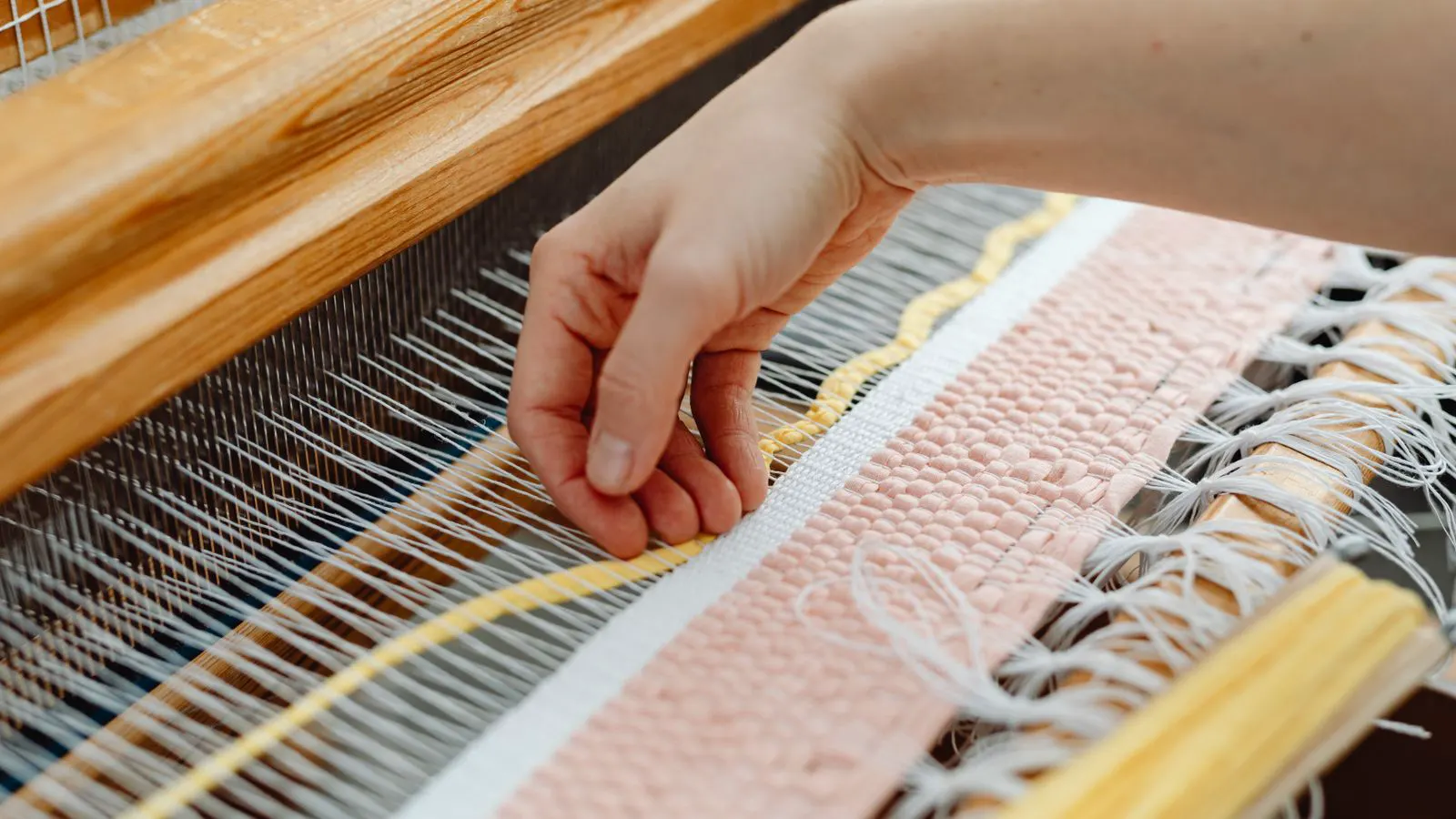
The difference lies in the yarn formation. Cotton fibers are shorter and require more twisting to form a stable yarn. This results in a fabric that is generally smoother and more pliable. The twist helps the threads slide past one another easily, allowing for fluid folds. Linen fibers are longer and naturally stronger. They require less twist to hold together, which leaves the fabric surface more open and textured.
This structural difference affects how the fabric responds to tension. Cotton can be pulled taut and will release quickly, creating soft, billowing folds. Linen has more inherent stiffness. When tensioned, it creates sharper creases. These creases do not smooth out as quickly. This is why linen often looks more architectural, while cotton looks more fluid.
Buyers often mistake this stiffness for a quality defect. It is not. It is the natural state of the fiber. Understanding this distinction helps in selecting the right material for the intended visual outcome.
Weight and Density Considerations
Fabric weight, measured in grams per square meter, affects how the curtain responds to movement. Heavier curtain fabric resists air currents. It holds its shape better in busy environments. Lighter fabric moves more easily. It creates a softer, more dynamic look.
Cotton is available across a broad weight range. You can find lightweight cotton for sheer or semi-sheer applications, and heavy cotton for blackout or formal draping. Linen also varies, but it tends to have more body at the same weight. A 250 GSM linen panel will feel stiffer and hold its shape differently than a 250 GSM cotton panel.
For brand-specific needs, this matters. A hotel lobby that needs a formal, controlled presentation will often specify heavier cotton. A boutique or wellness space that wants a relaxed, natural feel will lean toward linen.
Weight is not just about heaviness. It is about density and the number of threads per square inch. A high-density cotton weave creates a fabric that feels substantial but still flexible. A lower-density linen weave may feel lighter but appears more open and airy.
The interaction between weight and density determines how the fabric falls. A heavy, dense cotton fabric will fall in thick, uniform folds. A lighter, open linen fabric will fall in thinner, more irregular lines.
In practice, this means that a 300 GSM cotton drape will hang differently from a 300 GSM linen drape. The cotton will be more fluid and may require more fabric to create the same coverage. The linen will hold its shape more rigidly and may require less fabric to achieve a similar visual effect.
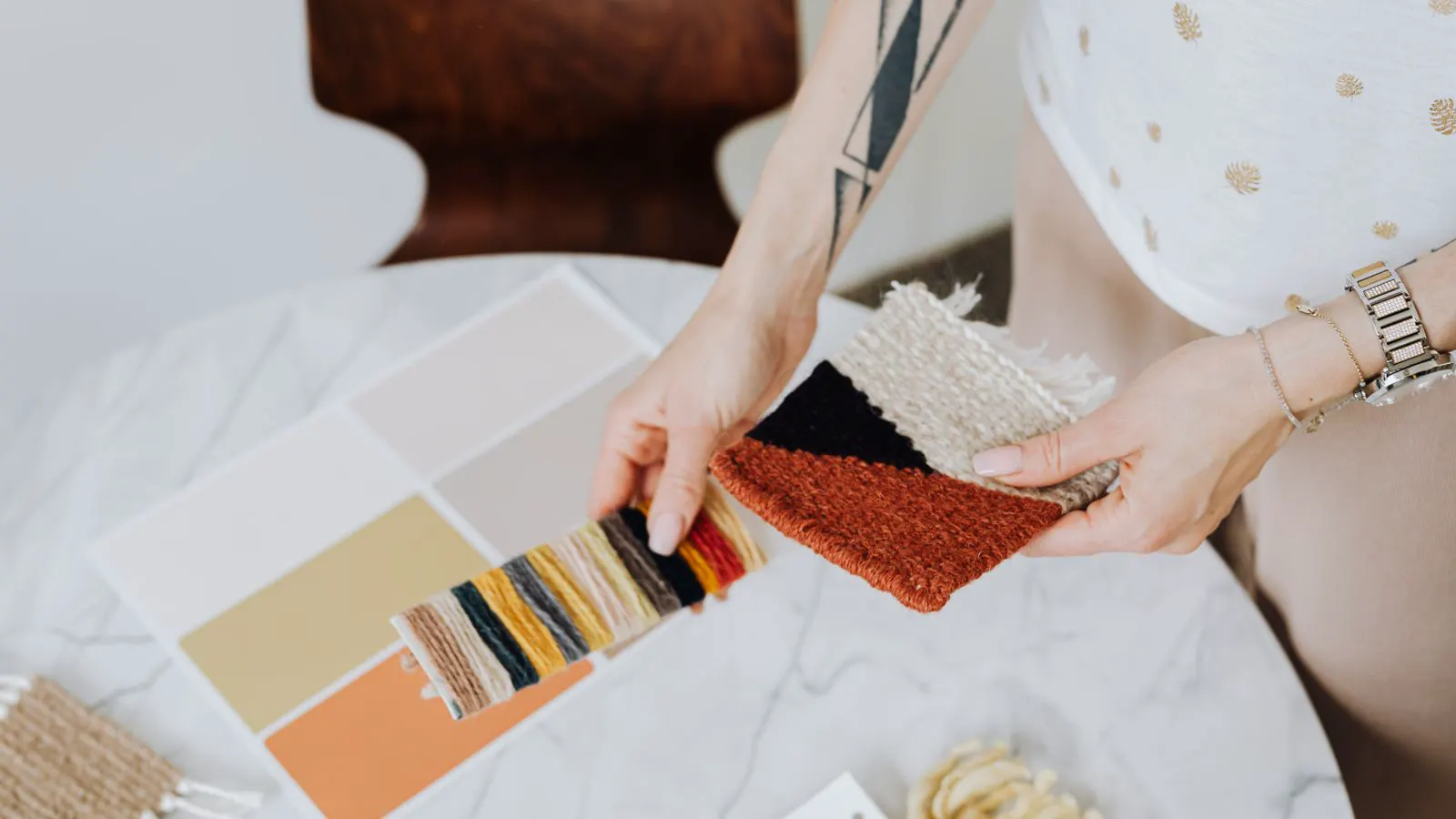
Buyers should always request samples at the specific weight and weave intended for the project. Do not rely on general descriptions like “medium weight.” Always specify the GSM and the weave type. This ensures that the drape behavior matches the design intent.
Comparison Table: Cotton vs Linen for Specific Drape Aesthetics
| Option | Best for | Limitations |
|---|---|---|
| Heavy Cotton | Formal lobbies, hotel guest rooms, high-traffic retail spaces | Higher cost, less natural texture, requires professional ironing to maintain smooth folds |
| Lightweight Cotton | Bedroom applications, residential living spaces, sheer or semi-sheer needs | Less structure, more prone to wrinkling, lower light blockage unless layered |
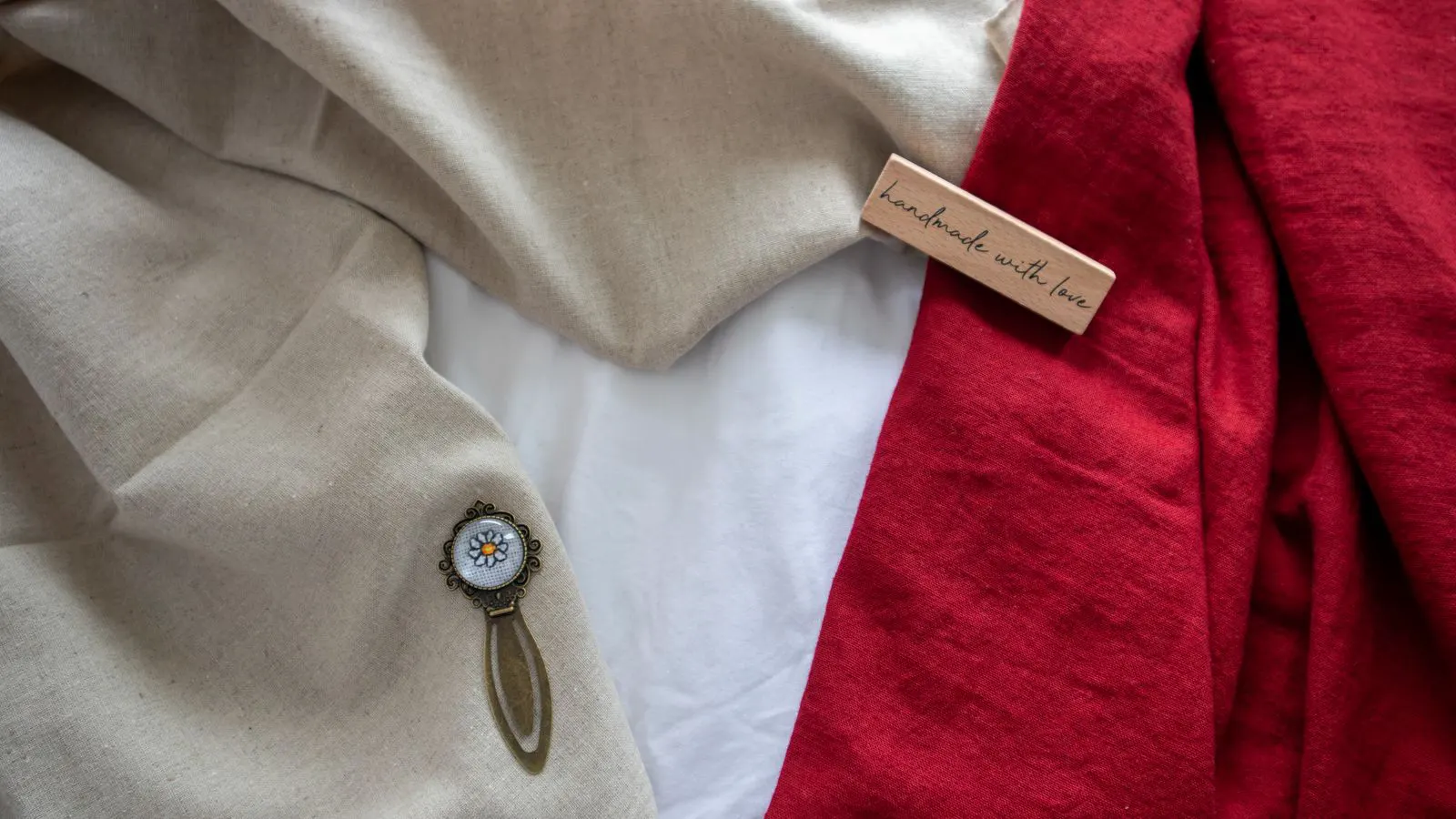
| Standard Linen | Wellness retreats, organic brand spaces, minimalist interiors | Higher maintenance, visible wrinkles, less formal presentation than heavy cotton |
| Cotton-Linen Blend | Hybrid brand identities, transitional spaces, cost-effective linen look | Variable drape depending on blend ratio, less natural texture than pure linen, less smooth than pure cotton |
When to Choose Cotton Drapes
Select cotton drapes when the brand identity requires precision and formality. The drape should be predictable. The folds should be consistent. The fabric should hold its shape without showing too much texture.
Cotton is the right choice for:
- Hotel guest rooms where a polished, uniform look is required.
- Corporate offices that need a neutral, professional backdrop.
- Traditional residential projects where soft, rounded pleats are desired.
- Applications where light blockage is a priority and heavier weights are needed.
The main advantage is control. Cotton drapes allow for precise draping techniques. You can create box pleats, pin pleats, or European pleats with consistent results. The fabric behaves predictably under tension and movement.
The limitation is texture. Cotton does not show the natural slub or irregularity that linen does. If the brand wants a raw, organic feel, cotton may feel too smooth or uniform.
Cotton is also easier to manage in high-traffic environments. It resists crushing and holds its shape better after repeated folding. This makes it ideal for areas where curtains are opened and closed frequently. The fabric recovers its shape quickly and does not show deep creases that require constant steaming.
In terms of light control, cotton offers more options. You can choose from sheer cottons that diffuse light to heavy cottons that block it completely. This range allows for precise control over the light and privacy levels in a space.
For commercial projects, cotton is often the default choice. Its predictable behavior reduces the risk of visual inconsistency. It is also easier to match in terms of color and weave across different batches.
When to Choose Linen Curtains
Select linen curtains when the brand identity leans toward organic, relaxed, or minimalist aesthetics. The drape should show texture. The fabric should have a natural, slightly imperfect fall.
Linen is the right choice for:
- Wellness and spa environments where natural materials are part of the experience.
- Minimalist interiors that want visual interest without pattern.
- Boutique hotels or guesthouses that want a relaxed, lived-in feel.
- Spaces where light filtering is desired and a soft, diffused glow is preferred.
The main advantage is texture. Linen catches light differently. It shows the natural fibers. It creates a visual depth that smooth cotton cannot match. The wrinkles are not defects. They are part of the aesthetic.
The limitation is maintenance. Linen wrinkles naturally. It may need steaming or pressing more often than cotton to look neat. For high-traffic areas where a crisp, smooth look is required, linen may not be the best fit.
Linen is a natural fiber, but it is not as uniform as cotton. The presence of slubs and variations in thickness creates a unique texture. This texture is what makes linen appealing to brands that want to convey authenticity and sustainability.
In terms of light, linen diffuses light beautifully. It creates a soft, even glow that is ideal for spaces where you want to maintain brightness but reduce glare. The texture of the fabric scatters light, creating a more natural and less harsh illumination.
For residential projects, linen is often chosen for its comfort and warmth. It is a natural fiber that breathes well, making it ideal for bedrooms and living areas. Its soft touch and natural feel add to the overall comfort of the space.
Colorfastness and Light Exposure
Both cotton and linen are natural fibers. They are susceptible to fading over time, especially in direct sunlight. The rate of fading depends on the dye used, the fiber quality, and the amount of light exposure.
Cotton generally holds color well, especially when dyed with high-quality, lightfast pigments. Linen also holds color, but the natural texture can make fading less uniform. A linen curtain in direct sun may show a patchy fade that looks rustic but may not suit a formal brand.
For brand consistency, consider the light conditions of the specific room. A south-facing window will fade curtain fabric faster than a north-facing one. If the brand requires consistent color over time, specify darker tones or use UV-protective treatments.
Colorfastness is a critical factor in both fibers. Cotton is generally more resistant to fading than linen. The smooth surface of cotton reflects light more evenly, which helps to maintain color consistency. The textured surface of linen absorbs light in different ways, which can lead to uneven fading.
This uneven fading can be a problem in commercial settings where consistency is key. A hotel lobby with linen curtains in direct sunlight may show noticeable fading over time. This can detract from the overall aesthetic and require more frequent replacement.
To mitigate this, consider using darker colors or shades that are less prone to showing fading. You can also use UV-protective treatments to slow down the fading process. These treatments are available for both cotton and linen and can extend the life of the fabric.
Maintenance and Cleaning Requirements
Cotton and linen have different cleaning profiles. Cotton is generally easier to care for. It tolerates regular washing and drying without losing its shape. Linen is more delicate. It may require lower heat drying or air drying to prevent excessive shrinkage or stiffness.
Stain resistance also differs. Cotton is more forgiving with minor stains. Linen can be more prone to showing stains, especially in light colors. For commercial applications, test both fabrics with the expected cleaning agents.
The buyer should specify the maintenance schedule in the brief. A hotel room with daily cleaning needs a fabric that holds up to frequent washing. A residential space with occasional cleaning has different requirements.
Cotton is a durable fiber that can withstand frequent washing and drying. It is less likely to shrink or lose its shape after repeated cleaning. This makes it ideal for high-traffic areas where curtains are cleaned frequently.
Linen is more delicate and requires more careful handling. It is prone to wrinkling and may need more frequent steaming or pressing. It is also more susceptible to shrinking if washed at high temperatures. To maintain the quality of linen, it is best to wash it at lower temperatures and air dry it.
Stain resistance is another factor to consider. Cotton is generally more stain-resistant than linen. Linen can show stains more easily, especially in light colors. This makes it less ideal for areas where spills or stains are likely to occur.
Final Selection Criteria
The choice between cotton and linen is not about which is better. It is about which fits the brand. The drape must match the intended experience.
Ask these questions before specifying curtain fabric:
- What is the primary function of the space? Formal, residential, or transitional?
- How much light exposure will the fabric get?
- What is the maintenance budget and schedule?
- Does the brand require a smooth, controlled look or a textured, organic feel?
- What is the expected lifespan of the installation?
If the answer points to precision and formality, choose cotton drapes. If the answer points to texture and relaxation, choose linen curtains. A blend may offer a middle path, but the drape will be a compromise.
The fabric is the first thing people see. Get the drape right, and the rest of the space follows.
Frequently asked questions
Can cotton and linen be mixed in the same project?
Yes, but the drape will differ between the two panels. Use them in separate rooms or as layered elements to maintain visual consistency.
Which fabric is more durable for high-traffic areas?
Cotton generally handles frequent washing and movement better than linen. Linen requires more careful handling to maintain its texture.
Do linen curtains need professional installation?
Not always, but the relaxed drape is easier to achieve with proper rod selection and spacing. A standard rod works, but the spacing should allow for natural movement.
Can cotton be used for blackout applications?
Yes, heavy-weight cotton is commonly used for blackout or light-blocking applications. Look for dense weaves and higher GSM ratings.
What is the best color for linen curtains in a formal setting?
Lighter, neutral tones work well, but be aware that they show stains more easily. Darker colors or blends may be more practical for formal, high-traffic spaces.