10-Point Checklist for Sourcing High-Performance Upholstery Textiles
Use this ten-point checklist to verify upholstery textile compliance, durability, and performance. It covers fabric selection, testing, documentation, and red flags so procurement teams can make informed sourcing decisions.
- Verify mechanical strength, abrasion resistance, and pilling ratings against your intended use case.
- Check documentation for compliance, fire resistance, and chemical restrictions before placing an order.
- Use controlled samples for colorfastness and shrinkage testing before committing to large production runs.
- Red flags include missing test certificates, vague material descriptions, and inconsistent supplier communication.
- Build a repeatable audit process to reduce risk across all upholstery textile sourcing.
Why a Structured Checklist Matters in Upholstery Textiles
Procurement teams often face pressure to move fast on upholstery textile orders. Skipping the verification steps can lead to costly rework, customer complaints, and failed compliance audits. A structured checklist turns a vague set of concerns into a repeatable audit process.
When a project moves from concept to production, the textile selection is frequently locked in too early to change. If the fabric fails in use, the cost is not just the material. It includes the labor to strip and reupholster, the delay in the delivery schedule, and the damage to the brand’s reputation. A checklist removes the ambiguity from this decision. It forces the buyer to verify performance, compliance, documentation, and supplier reliability before money is spent.
This guide gives you a ten-point checklist you can copy into your sourcing workflow. It groups the checks into practical themes: performance, compliance, documentation, and supplier reliability. Each item includes a short explanation and a red flag to watch for. The goal is to create a standard operating procedure that works for a single retail order or a large contract furniture program.
1. Confirm the Fiber Content and Construction
The first step is to verify what the fabric actually is. Fiber content determines how the upholstery textile will age, clean, and behave under load. A blend of polyester and cotton may offer different drape and durability than a pure polyester twill.
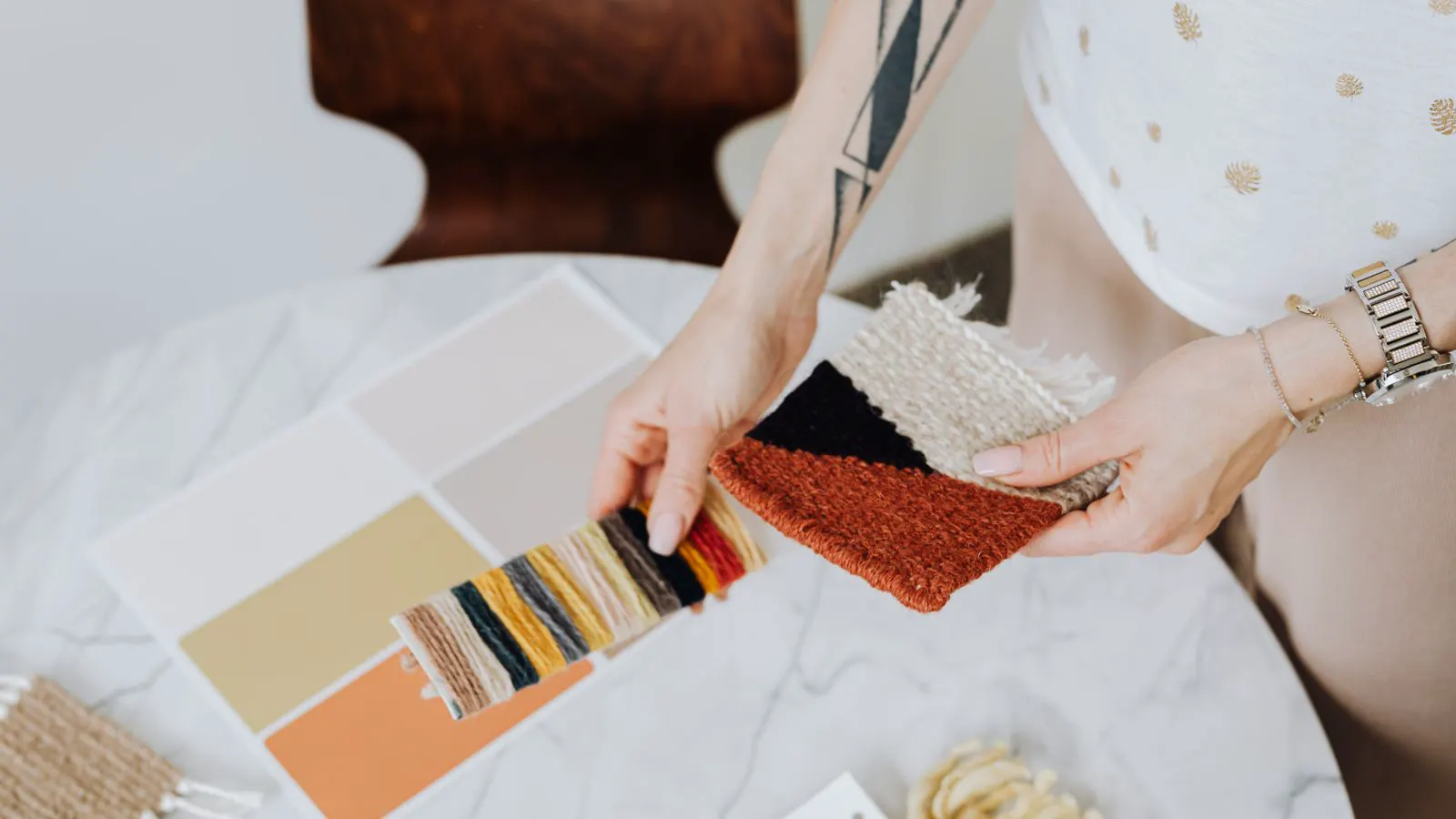
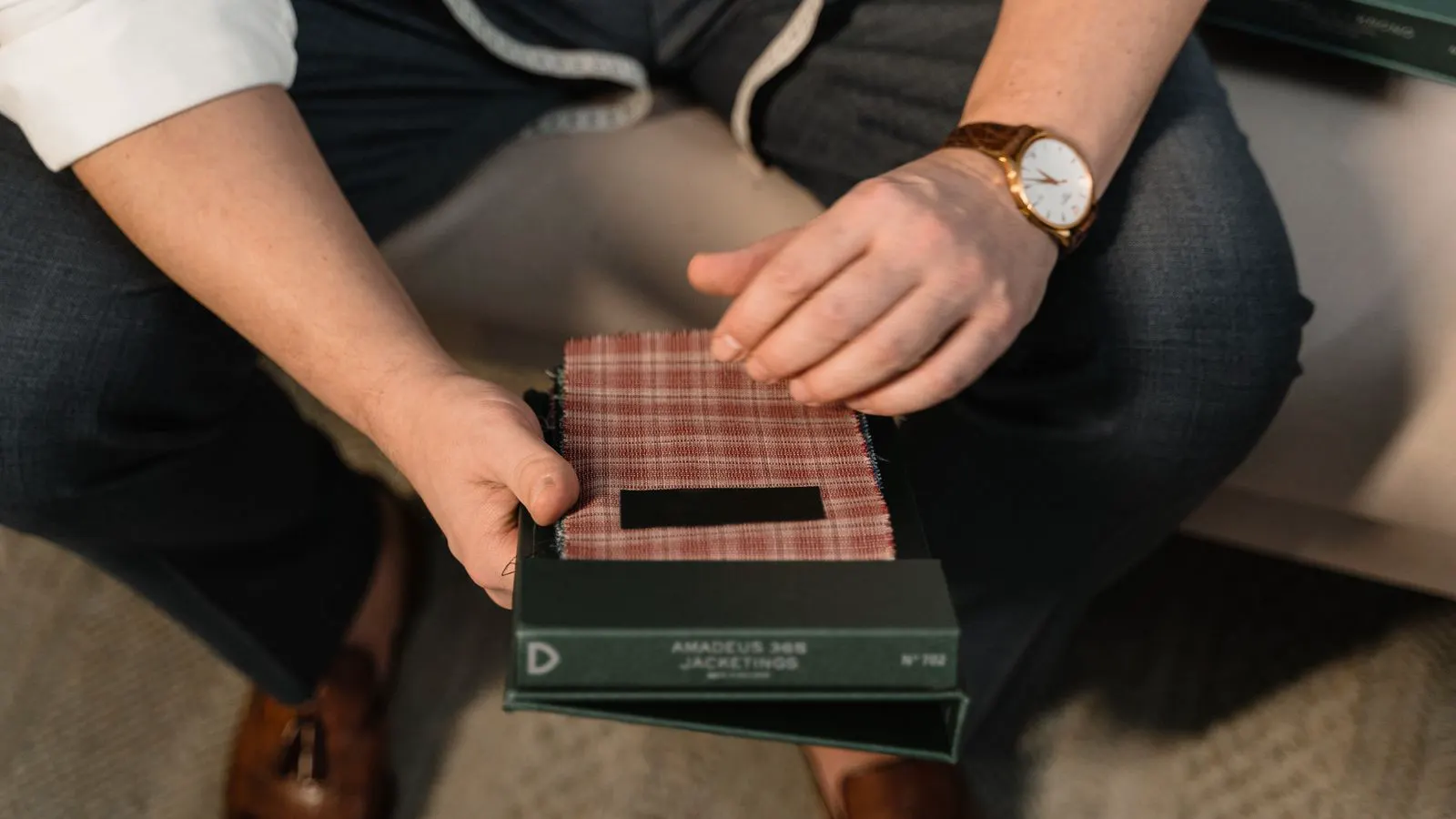
Check the mill specification sheet for fiber percentages, yarn construction, and fabric weight in grams per square meter. The weight matters because a 350 gsm fabric behaves differently on a sofa than a 450 gsm fabric. Ask for a physical sample, not just a digital swatch. Digital images hide the pile height, the stiffness of the weave, and the actual hand feel.
When reviewing the construction, look at the weave structure. A plain weave is durable but can feel stiff. A twill weave offers a diagonal pattern and better abrasion resistance. A jacquard weave creates complex patterns but may have weaker points in the design. Knowing the construction helps you predict how the fabric will perform under specific stresses.
Red flag: The supplier gives a vague description like “high-quality blend” without fiber percentages or a construction type.
2. Verify Mechanical Strength and Durability
Upholstery textiles face constant stress from seating, leaning, and cleaning. You need to confirm the fabric meets your durability requirements. Ask for test data on tensile strength, tear resistance, and abrasion.
For high-traffic furniture, request data on double rub cycles, which measure how many times a fabric can be rubbed before showing wear. For occasional use, lower cycle counts may be acceptable. Match the data to your product category. A fabric specified for a garden chair might not survive the daily friction of a kitchen stool.
Tear resistance is another key metric. It measures the energy required to propagate a tear. This is critical for fabrics with open weaves or delicate patterns where a small snag can become a large failure. Ask for the specific test method used to ensure the data is comparable across different suppliers.
Red flag: The supplier offers no abrasion or rub cycle data, or the numbers seem too high to be credible.
3. Assess Colorfastness and Shrinkage
Color and dimension stability are common sources of customer complaints. If a curtain or sofa cover fades in sunlight or shrinks after the first wash, your brand reputation suffers.
Ask for colorfastness to light, rubbing, and washing. Lightfastness is particularly important for furniture placed near windows or in high-sun areas. Rubbing colorfastness, often called crocking, measures how much color transfers to a damp cloth. This is a direct indicator of how the fabric will perform against skin or clothing.
Also request shrinkage data after a specified number of wash cycles. Controlled samples are better than relying on the supplier’s assurance alone. If the fabric is pre-shrunk, the data should show a low percentage of change. If it is not pre-shrunk, you need to know the expected change so you can adjust your pattern making and seam allowances.
Red flag: The fabric shows visible color transfer to a damp white cloth during a simple rub test.
4. Check Compliance and Fire Resistance
Upholstery textiles are subject to strict safety regulations in many markets. You must verify that the fabric complies with fire safety standards and chemical restrictions relevant to your target region.
Request test certificates for flame resistance, smoke emission, and restricted substances. Fire resistance is especially critical for public seating and contract upholstery. A supplier that cannot provide test reports may not be ready for your market. Chemical compliance, such as limits on azo dyes or heavy metals, is also a growing requirement for consumer goods.
The specific standards vary by region and application. A fabric approved for residential use in one country may not be approved for commercial use in another. Always ask for the specific test report that matches your target market. Do not accept a generic statement of compliance.
Red flag: The supplier says the fabric “meets standards” but cannot name the specific test method or provide a certificate.
5. Review the Fabric Selection for the Intended Use
Not every upholstery textile works for every application. A soft, low-weight fabric may feel great on a lounge chair but fail on a dining chair that sees daily use.
Match the fabric selection to the use case. Consider the cleaning method, the level of traffic, and the aesthetic you need. A stain-resistant coating can help, but it may alter the hand feel and affect how the fabric ages. Some coatings can cause the fabric to feel plastic-like or reduce the breathability of the textile.
Also consider the environment. Outdoor furniture requires fabrics that resist UV degradation and moisture. Indoor fabrics used in high-humidity areas need to resist mold and mildew. The intended use dictates the performance requirements. Do not select a fabric based on appearance alone.
Red flag: The supplier pushes the same fabric for all furniture types without acknowledging the differences in use.
6. Inspect the Sample for Defects and Consistency
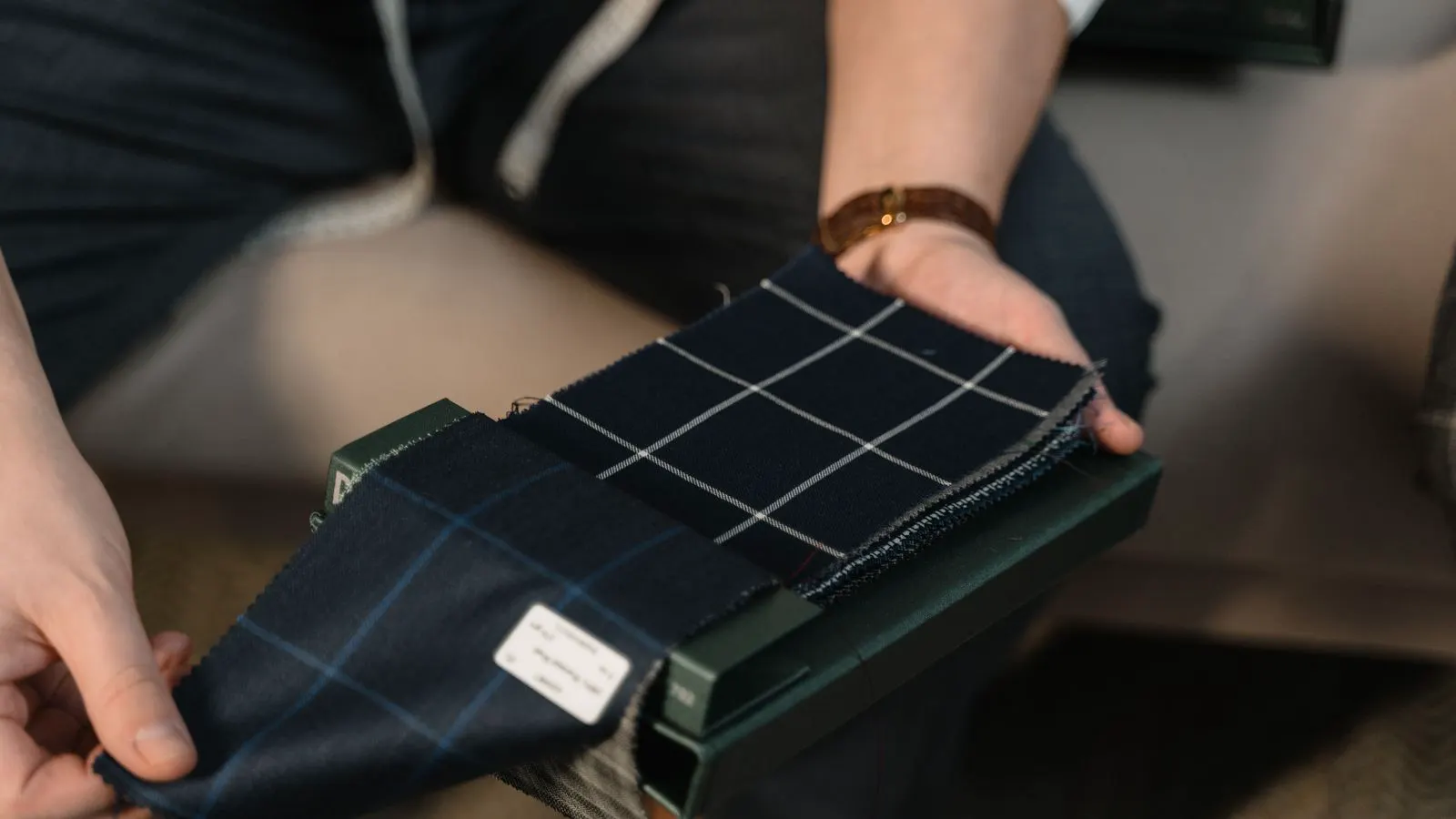
A single sample is not enough. Request multiple small samples from different production lots. Lay them side by side and compare for color, hand feel, and weave consistency.
Check for slubs, uneven dyeing, or color variation between lots. For upholstery, even a small difference in color can be visible when panels are joined. A consistent sample is a sign of a stable production process. If the supplier uses multiple dye lots for a single order, ask for the tolerance range they use and ensure it is within your acceptable limits.
Also check the edges of the sample. Fraying or uneven finishing can indicate poor quality control. The sample should represent the final product, not a special piece selected for a presentation.
Red flag: The samples from different lots show a visible color shift, or the supplier resists providing extra samples.
7. Verify the Sourcing Checklist for Documentation
A complete documentation package protects you if there is a dispute later. You need a material safety data sheet, a test report, a certificate of origin, and a quality certificate for each lot.
Make sure the documents match the physical sample. A mismatch between the paperwork and the fabric is a serious issue. It may mean the fabric you are receiving is not the one you ordered. The lot number on the certificate should match the label on the fabric roll. The fiber content on the MSDS should match the spec sheet.
This documentation is also required for customs clearance and internal quality records. Without it, you cannot prove the compliance of the product in your market. It is a legal and operational necessity, not just a formality.
Red flag: The documentation is generic, missing lot numbers, or does not match the physical sample.
8. Assess the Supplier’s Production Capacity and Lead Time
Even the best upholstery textile will fail your project if the supplier cannot deliver on time. Ask about their production capacity, current order backlog, and realistic lead time.
Get the lead time in writing. Include the time for sampling, approval, production, and shipping. If the supplier cannot give a clear timeline, do not commit to a large order. Ask about their production schedule. Are they currently running other large orders that might delay yours?
Also consider the logistics. If the fabric is being shipped from a distant country, account for customs delays and potential port congestion. A lead time of 12 weeks may look reasonable, but if that includes 4 weeks of shipping and 2 weeks of customs, you only have 6 weeks for production. Be realistic about the timeline.
Red flag: The supplier quotes a very short lead time but has no history of meeting it, or they are vague about production capacity.
9. Test Cleaning and Maintenance Requirements
The upkeep of an upholstery textile can affect its long-term value. Some fabrics require dry cleaning, while others can be spot cleaned or machine washed.
Ask the supplier for care instructions and test them on a sample. If the fabric is difficult to clean, it may not be suitable for a commercial or family-use setting. A stain-resistant finish can help, but it must not affect the fabric’s durability. Test the cleaning method on a hidden area of the sample first.
Also test the fabric for water resistance if you plan to use it in areas where spills are likely. Wipe a damp cloth on the fabric and check for water spots or color bleeding. If the fabric absorbs the water and darkens, it is not suitable for high-traffic areas without a protective finish.
Red flag: The fabric shows water spots or color bleeding after a simple damp wipe test.
10. Confirm the Final Acceptance Criteria
Before you place the order, agree on the acceptance criteria with the supplier. This includes the maximum allowed color difference, the acceptable level of defect, and the documentation required for each lot.
Put the acceptance criteria in writing. If there is a dispute, you have a clear reference point. This step prevents small issues from becoming major problems later. Define what constitutes a “defect.” Is a small color variation acceptable? What is the maximum number of slubs per square meter?
The acceptance criteria should also include the process for handling non-conforming material. If a lot fails the inspection, who pays for the rework? Will the supplier replace the material at their cost? These details should be clear in the contract.
Red flag: The supplier resists defining clear acceptance criteria, or they ask you to accept “normal industry variation” without specifying what that means.
Quick Reference: Performance and Compliance Checks
Use this table as a quick reference when reviewing supplier quotes and samples.
| Check | What to Look For | Typical Red Flag |
|---|---|---|
| Fiber Content | Exact percentages and construction type | Vague terms like “premium blend” |
| Abrasion Resistance | Double rub cycle count | No test data provided |
| Colorfastness | Light, rub, and wash ratings | Color transfer on a damp cloth |
| Fire Resistance | Test certificate for your market | “Meets standards” without a report |
| Shrinkage | Percentage after specified washes | No shrinkage data available |
Final Thoughts
A ten-point checklist for sourcing upholstery textiles turns a complex process into a manageable audit. It helps you verify performance, compliance, and reliability before you commit to a large order.
Use the checklist as a baseline and adjust it to your specific product lines and markets. The more consistent your process, the lower the risk of costly mistakes.
Frequently asked questions
How many samples should I request before ordering upholstery textile?
Request at least three small samples from different production lots. This helps you verify color, hand feel, and consistency across batches.
What is the minimum abrasion rating for high-traffic upholstery?
There is no single universal minimum. Match the double rub cycle rating to your expected use. For heavy commercial seating, ask for higher cycle data than for occasional residential use.
Can I rely on a digital swatch for upholstery textile selection?
No. Digital swatches do not show hand feel, weight, or true color under different lighting. Always request a physical sample before placing an order.
What documents do I need for compliance?
You need a test certificate for fire resistance, a chemical restriction report, and a certificate of origin. These must match the physical sample and the lot number.
How often should I re-audit a supplier?
Re-audit after every significant change in the fabric, such as a new dye lot or a change in construction. Periodic spot checks are also wise to maintain quality over time.