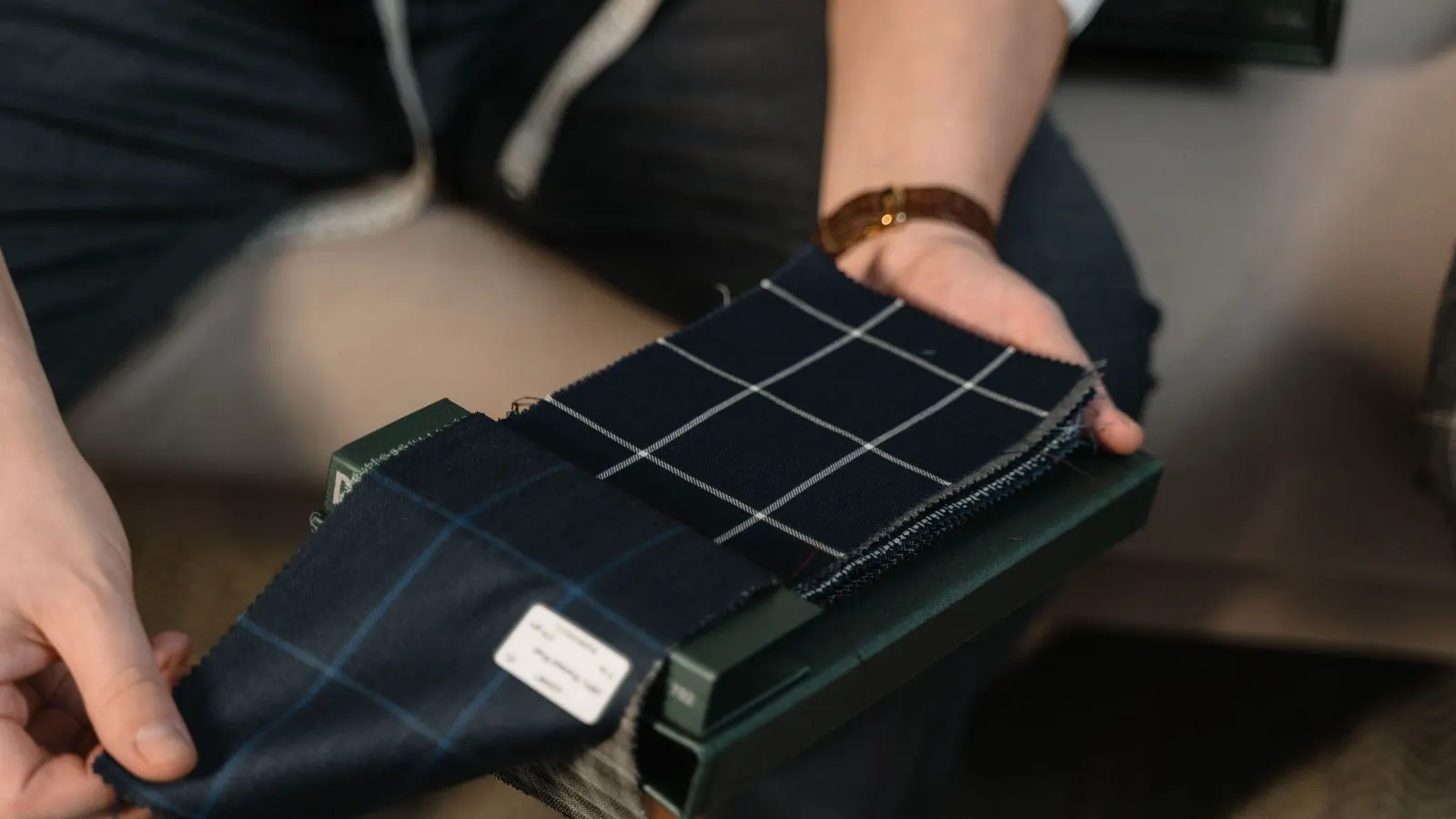
The Future of Light Filtering: Smart Fabrics in Modern Interiors
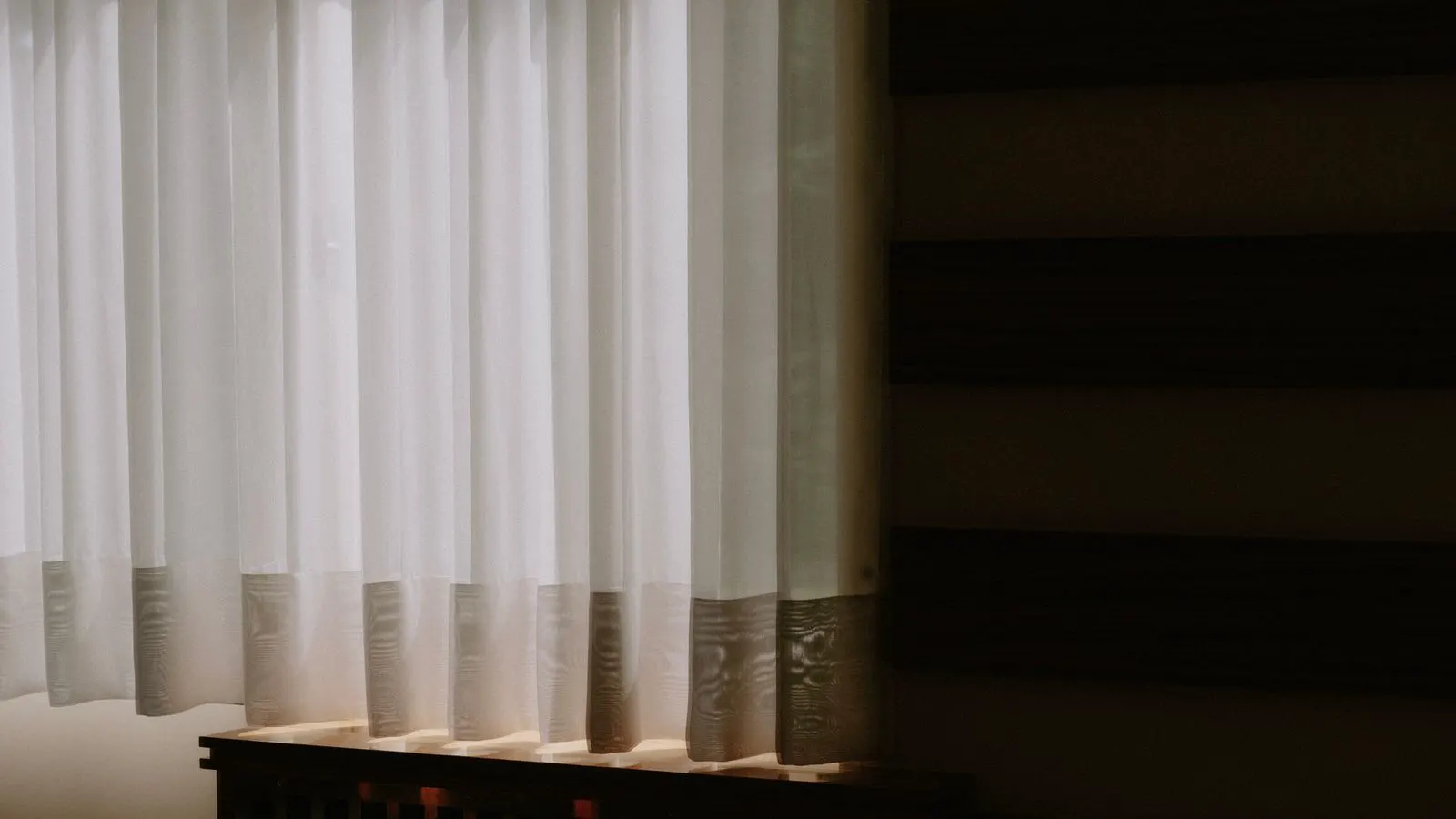
Light filtering is shifting from passive fabric density to active, responsive material engineering. Buyers should plan for phase-change fibers, conductive weaves, and new testing standards. These developments change sourcing, quality control, and product development timelines for curtain and upholstery lines.
- Light filtering now involves active material behavior, not just thread count and fabric weight.
- Smart textiles bring new testing requirements for conductivity, durability, and energy performance.
- Curtain trends are moving toward technical weaves and responsive surface treatments.
- Importers should update quality checklists to cover electrical and thermal performance metrics.
- Early engagement with mill partners is required to secure capacity for emerging fabric types.
How Passive Density Is Giving Way to Active Response
Traditional window covering specifications relied on light transmission percentages and fabric density. A blackout curtain was defined by its weight and weave tightness. A sheer was defined by thread count and fiber transparency. That model is still valid for baseline products, but it no longer captures the full performance envelope of modern window coverings.
Newer light filtering approaches use phase-change materials, electrochromic films, and conductive thread integration. These technologies change the physical properties of the fabric in response to heat, voltage, or ambient light levels. For a buyer sourcing curtain fabrics, this shift means the product is no longer just a textile. It becomes a component with electrical or thermal behavior that must be tested, documented, and maintained.
Engineers working on upholstery and curtain systems should treat these materials as hybrid products. The fabric still must meet drape, shrinkage, and pilling standards. It now also must pass conductivity checks, voltage stability tests, and thermal cycling evaluations. The sourcing team must understand that a mill that only produces standard cotton or polyester blends will not be able to deliver these specifications.
Consider a commercial office building retrofit. The original specification called for high-density polyester blackout drapes to block afternoon sun. The new specification calls for a fabric that reduces heat gain during the day and releases it at night. The visual weight of the fabric may appear similar to the original, but the internal structure is completely different. The mill must control not just the weave density, but the encapsulation integrity of the thermal components. If the microcapsules rupture during the finishing stage, the fabric will look perfect on the roll but will fail to regulate temperature after installation. This distinction between appearance and function is the central challenge for buyers moving from passive to active textiles.
What Smart Textiles Change in the Sourcing Chain
Smart textiles in curtain applications typically fall into three categories. Conductive weaves incorporate metallic or carbon-filled threads that allow the fabric to change opacity when voltage is applied. Phase-change fabrics contain microcapsules that open and close with temperature changes, altering the fabric’s insulating properties. Electrochromic films are thin conductive coatings laminated or woven into the textile substrate.
Each category requires different supplier capabilities. Conductive weaves need looms that can handle metallic threads without breaking or causing excessive wear on warp and weft. Phase-change fabrics require precise encapsulation processes, where the microcapsules must not burst during weaving or finishing. Electrochromic films demand stable coating lines and reliable bonding between the film and the textile base.
Importers should ask mills about their process controls. A supplier that can produce a standard polyester curtain does not automatically possess the infrastructure for smart textiles. The question is not whether a mill can weave. The question is whether the mill can maintain uniformity in a product where a small deviation in thread conductivity or capsule integrity creates a visible defect or a performance failure.
Take conductive weaves as an example. The metallic threads used in these fabrics are often finer than standard cotton or polyester yarns. If the loom tension is not calibrated correctly, the threads will snap or fray. If they fray, the conductive path breaks, and the curtain section will not respond to voltage. The resulting defect may be invisible in a flat sample but will appear as a dark patch when the curtain is powered on. A reliable supplier will have looms specifically tuned for these materials and will perform in-process checks on conductivity at multiple points along the production run.
For phase-change fabrics, the risk lies in the finishing stage. The microcapsules are sensitive to heat and pressure. If the fabric passes through a calendering or printing process with excessive heat, the capsules can degrade permanently. The fabric will still look like a standard curtain, but its thermal response will be diminished or lost. Sourcing teams should request batch records that document the temperature and pressure profiles used during finishing. This documentation proves that the material was handled within the parameters required to preserve its active properties.
The New Testing Requirements for Light Filtering
Light filtering performance used to be measured with a simple spectrophotometer. A sample was held against a light source, and transmission was recorded at various wavelengths. That method still applies, but it now only covers a fraction of the specification.
Engineers must evaluate the fabric under dynamic conditions. A phase-change curtain must be tested after repeated temperature cycles to confirm that the microcapsules retain their function. A conductive curtain must be tested for voltage drop across the weave and for resistance changes after washing or folding. An electrochromic curtain must be tested for response time, color stability, and degradation of the conductive layer over time.
The following table summarizes the key testing areas for emerging light filtering fabrics.
| Test Area | Standard Focus | Emerging Requirement |
|---|---|---|
| Light Transmission | Static spectrophotometry | Dynamic transmission under voltage or heat |
| Durability | Abrasion and pilling | Conductivity retention after washing |
| Thermal Performance | Insulation value | Phase-change stability over cycles |
| Electrical Safety | None for passive fabric | Voltage stability and short-circuit resistance |
| Aesthetic Consistency | Color and pattern repeat | Uniform response across the full fabric roll |
These tests create new documentation requirements. Purchase orders must specify not just fabric composition and weight, but also performance thresholds for active functions. Quality control checklists must include electrical measurements. Importers who continue to use generic textile inspection forms will miss critical defects that only appear after the product enters service.
A practical example involves testing a conductive curtain for washing durability. The fabric is washed in a standard industrial machine cycle. After drying, the resistance of the conductive threads is measured. If the resistance has increased significantly, the washing process has damaged the metallic coating on the threads. This damage may not be visible to the naked eye, but it will result in a curtain that is dim or non-responsive in parts. The test must be repeated after multiple cycles to ensure that the degradation rate is acceptable for the intended lifespan of the product.
For electrochromic films, the testing focus is on the stability of the bonding layer. Over time, heat and humidity can cause the adhesive to weaken. If the film detaches from the textile substrate, it will peel or wrinkle, creating a visual defect and potentially disrupting the electrical circuit. Accelerated aging tests are required. The fabric is exposed to high humidity and temperature in a chamber for a defined period. Engineers then measure the film’s adhesion strength and its electrical performance. If the film has lost more than a specified percentage of its response capability, the formulation or the bonding process needs to be revised.
How Curtain Trends Are Shifting in Modern Interiors
Curtain trends are moving toward technical performance and clean visual profiles. Buyers are requesting fabrics that combine light filtering with energy efficiency. In commercial and residential interiors, the goal is no longer just blocking sunlight. The goal is managing heat gain and loss while maintaining a consistent aesthetic.
This shift is visible in the materials being requested. Engineers are specifying woven structures with higher thread counts for base layers, combined with thin functional coatings or interlays. The visual result is a fabric that looks like a standard technical textile but performs as a smart component. The trend is away from decorative embellishment and toward functional minimalism.
Upholstery and curtain lines are converging in specification. The same phase-change or conductive fiber systems are being evaluated for drapes, headboards, and seating. This convergence means that buyers can standardize some material properties across product lines, reducing sourcing complexity. However, it also means that upholstery-grade durability requirements must be met by curtain fabrics, and vice versa.
In a modern hotel suite, the curtain may be made from the same base fabric as the headboard upholstery. This allows the hotel to source a smaller number of materials and simplifies the inventory management. However, the headboard will experience constant friction from guest movement, while the curtain will experience less friction but more exposure to light and air currents. The specification must account for these differences. The fabric may need a reinforced backing for the headboard but a lighter, more flexible structure for the curtain. If the same fabric is used for both without modification, one application will likely fail prematurely. The upholstery will wear out faster due to friction, or the curtain will become brittle and tear due to excessive stiffness.
Practical Preparation for Importers and Engineers
Preparation for these shifts requires changes in how teams evaluate suppliers, write specifications, and plan production timelines. Importers should begin by mapping their current supplier base against the new capability matrix. A supplier that can produce high-density blackout curtains may not be able to produce conductive weaves. The transition may require qualifying new mills or partnering with existing suppliers on pilot runs.
Engineers should develop internal test protocols before placing large orders. Pilot runs of smart textiles should be evaluated under real-world conditions. A curtain that performs well in a lab environment may fail when exposed to repeated opening and closing, or when subjected to the humidity of a coastal climate. The test protocol should include environmental stress, mechanical cycling, and long-term exposure to UV light.
Documentation must be upgraded. Technical data sheets for smart textiles should include electrical specifications, thermal behavior curves, and recommended care instructions. The care instructions are particularly important. Conductive threads and electrochromic coatings can be damaged by standard industrial washing cycles. The specification sheet must state which cleaning methods are permitted and which are not.
When writing a specification for a conductive curtain, include the voltage range the fabric can handle. Specify the maximum current draw. Define the acceptable resistance variance across a roll. For phase-change fabrics, define the thermal trigger point and the maximum number of cycles the fabric must withstand before performance degrades. These details prevent ambiguity between the supplier and the buyer. Without them, the supplier may deliver a product that meets generic textile standards but fails to meet the specific performance requirements of the active system.
Consider the case of a coastal residential developer. The developer orders phase-change curtains for a row of beach houses. The fabric performs well in the dry climate where the mill is located. However, when installed in the coastal environment, the high humidity causes the fabric to absorb moisture. This moisture affects the phase-change capsules and reduces their sensitivity to temperature changes. The curtains still block light, but they no longer regulate heat effectively. The developer discovers this failure only after the first heating season. The specification should have required testing in high-humidity conditions to predict this behavior.
Planning for the Next Sourcing Cycle
The next sourcing cycle should be structured around capability qualification rather than price comparison alone. Importers should request samples from multiple suppliers and evaluate them on a matrix that includes light filtering performance, electrical stability, aesthetic consistency, and supplier technical support. A lower price per meter is not sufficient if the supplier cannot provide the documentation or technical support required to pass the new testing standards.
Engineers should also plan for longer development timelines. Smart textiles often require multiple iterations before performance is stable. Phase-change capsules may need adjustment to the correct thermal trigger. Conductive thread tension may need recalibration for a specific loom. These adjustments take time. Sourcing teams should build buffer periods into their product development schedules to account for these technical refinements.
The result of this preparation is a product that meets the new expectations for light filtering in modern interiors. The fabric manages light, heat, and electrical response with predictable behavior. The buyer has a clear understanding of the performance envelope. The supplier has a defined specification to meet. The product enters the market with a documented performance profile that supports both commercial and residential applications.
Frequently asked questions
What is the difference between passive and active light filtering in curtains?
Passive light filtering relies on fabric density and color to block or transmit light. Active light filtering uses materials that change their properties in response to voltage, heat, or ambient conditions.
Do smart textiles require special washing instructions?
Yes. Conductive threads and electrochromic coatings can be damaged by standard industrial washing. The specification sheet must state which cleaning methods are permitted.
How do curtain trends affect upholstery sourcing?
Curtain trends are converging with upholstery in specification. The same technical fiber systems are being evaluated for both, which allows for standardized material properties across product lines.
What new testing is required for light filtering fabrics?
Standard spectrophotometry is no longer sufficient. New fabrics require dynamic testing for voltage stability, thermal cycling, and conductivity retention after washing.
How should importers prepare for smart textile sourcing?
Importers should qualify new suppliers, develop internal test protocols, and upgrade documentation to include electrical and thermal performance specifications.