Cotton Yarn Count vs Thread Count: Key Differences
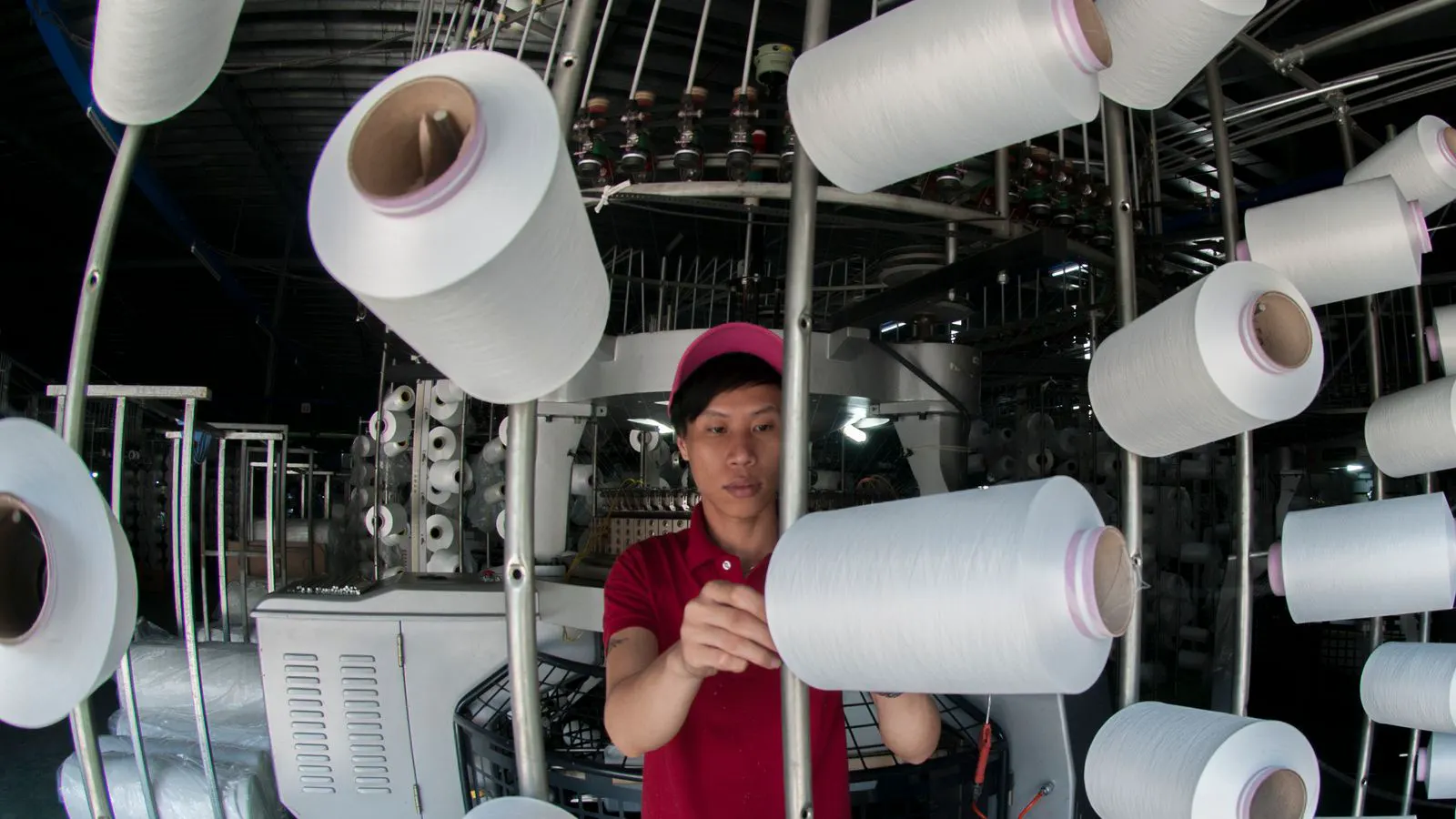
Cotton yarn count specifies the thickness of the individual fiber used in the thread. Thread count measures the number of warp and weft threads per square inch. Both metrics define hand feel and durability, but they describe different stages of the textile process.
- Yarn count describes fiber thickness, while thread count measures finished fabric density.
- High yarn counts create smoother hand feel, but may reduce durability.
- Sourcing decisions must align both metrics to match intended end-use performance.
- Fabric composition determines which metrics matter most for blend products.
What defines cotton yarn count
Cotton yarn count measures the physical thickness of the individual thread used in textile production. It is a property of the raw material before weaving. The count indicates the ratio of fiber length to weight for a given number of fibers twisted together. Higher counts indicate thinner fibers. Thinner fibers pack more tightly and create a smoother surface contact. Lower counts indicate thicker fibers. These create a stiffer, more textured hand feel. The metric is often expressed as a ratio of length to weight, though the exact unit system varies by region and mill.
When sourcing raw yarn, this number sets the baseline for the final product. It dictates how the thread will behave during spinning, dyeing, and weaving. A thin yarn may break more easily if the tension is not managed correctly. A thick yarn may resist the tightness required for high thread count sheets. The count also influences the dye uptake of the fiber. Thinner yarns often absorb dye more uniformly because the dye penetrates the core more easily. Thicker yarns can show a slight surface sheen difference if the dye does not penetrate the core fully, which can be noticeable in light-colored fabrics.
For buyers, the yarn count is a critical input for cost estimation. Thinner yarns require more raw cotton to produce the same length of thread. This can drive up the material cost. Thicker yarns use less raw material per unit length but may require more labor in weaving if the loom must adjust its tension for the heavier thread. The spinning process itself also varies. High-count yarns demand higher twist to maintain strength. This twist affects how the yarn feels after washing. A high-twist yarn may feel slightly rougher until it softens with use. A low-twist yarn feels softer initially but may lose strength faster under industrial laundering.
How thread count differs from yarn count
Thread count is a finished fabric measurement. It counts the number of horizontal and weft threads per square inch. It does not describe the size of the individual fibers. It describes the density of the woven structure. A fabric can have a high thread count made from thick yarn. It can also have a low thread count made from very thin yarn. The two metrics operate independently. They answer different questions about the final product.
Yarn count affects the surface texture and the ease of weaving. Thread count affects the fabric weight, opacity, and drape. A buyer must evaluate both to understand the performance. Ignoring one metric leads to incorrect product expectations. For example, a high thread count fabric made from thick yarn will feel dense and heavy. A high thread count fabric made from thin yarn will feel airy and smooth. The visual appearance of the weave also changes. Thick yarns create larger gaps between threads. Thin yarns create a tighter, more continuous surface. This difference is visible when the fabric is held up to the light.
Thread count is also a function of the weaving pattern. A plain weave (1x1) packs threads more densely than a twill weave (2x2 or 3x1). The same thread count in a plain weave will result in a heavier, more opaque fabric than the same count in a twill. The weaver must account for the pattern when specifying the thread count. The loom’s settings determine how many threads fit into a given width. Changing the weave pattern may require adjusting the thread count to maintain the same fabric weight and drape.
How each metric affects sourcing decisions
Sourcing decisions depend on the intended end-use. Hotel linens often require a balance between softness and durability. A thin yarn count may provide a luxurious hand feel, but it may not withstand heavy industrial laundering. A thicker yarn count may be more robust, but it can feel scratchy if the weave is not optimized. Thread count dictates the required fabric weight. High thread counts require stronger yarns to maintain structural integrity. If the yarn is too thin, the threads may slip out of the weave during washing. This causes pilling or thinning in high-wear areas.
Fabric composition changes the calculation. In a cotton blend, the yarn count of the cotton component may differ from the polyester component. The final hand feel depends on how these different thicknesses interact. A mismatch in yarn counts between blend components can create an uneven surface texture. For instance, if the polyester yarn is significantly finer than the cotton yarn, the polyester threads may be invisible to the eye, creating a smooth surface. If the polyester yarn is thicker, it may create a ridged texture. The buyer must define the relationship between the component yarn counts to ensure the desired hand feel.
Cost and lead time also play a role. Thinner yarns often require more specialized spinning equipment and take longer to produce. This can increase the lead time and the unit cost. Thicker yarns are easier to spin and may be available in larger quantities from standard mills. However, they may require a different loom setup for weaving. The buyer must consider the entire production chain, not just the raw material cost. The final product’s performance is a result of the interaction between yarn count, thread count, weave pattern, and composition.
A worked example in plain words
Consider a bedsheet project. The buyer wants a smooth surface and good durability. The mill offers two options.
Option one uses a standard medium thickness cotton yarn. The weaving is set to a moderate thread count. The result is a sturdy fabric with a visible weave texture. It holds up well to frequent washing. The hand feel is firm and crisp. This option is suitable for guest rooms where durability is a primary concern. The visible weave can also hide minor stains or wear better than a smooth fabric.
Option two uses a finer cotton yarn. The weaving uses a higher thread count to compensate for the thinner fibers. The result is a smoother fabric with a softer hand. It feels more like a towel than a sheet. However, the thin yarn requires careful tension control during weaving. If the tension is loose, the fabric may stretch out of shape over time. This option is suitable for premium guest rooms where hand feel is a key selling point. The smooth surface is easier to iron and gives a more polished appearance.
The buyer must choose based on the primary requirement. If softness is the priority, the finer yarn and higher thread count is the correct choice. If longevity under heavy use is the priority, the medium yarn and moderate thread count is safer. The decision also affects the laundering process. Thinner yarns may require lower temperatures and gentler cycles to prevent breakage. Thicker yarns can withstand higher temperatures and harsher chemicals. The buyer must communicate these requirements to the laundry operator as well.
Common confusion in buying documents
Buyers often confuse the two terms in purchase orders. They may request a specific thread count without specifying the yarn count. The mill will then select a yarn that meets the thread count requirement, regardless of the fiber thickness. This can lead to a fabric that looks correct but feels wrong. The mill may choose a thicker yarn because it is cheaper or more readily available. The resulting fabric will have the correct thread count but a different hand feel and weight than expected.
The reverse error is also common. A buyer specifies a yarn count but ignores the thread count. The mill may use the specified yarn but weave it at a low density. The fabric may be very soft but too thin for its intended use. It may lack the opacity and weight required for drapery or upholstery. The buyer must specify both metrics to avoid ambiguity.
Clear specifications require both numbers. The yarn count should be defined by the spinning standard. The thread count should be defined by the weaving pattern. The fabric composition must be stated to ensure the blend ratios are correct. The buyer should also specify the maximum deviation allowed. For example, the yarn count should be within plus or minus a certain percentage of the specified value. The thread count should be within a specified range. This allows for minor variations in production without compromising the product’s performance.
Quality checks for imported textiles
Importers should verify both metrics during incoming inspection. A thread count gauge can measure the finished fabric quickly. It counts the threads per inch. This is a simple check for density. The gauge should be checked against a standard sample to ensure accuracy. The measurement should be taken in multiple locations across the fabric. Variations in thread count across the fabric can indicate loom issues or yarn inconsistencies.
Yarn count is harder to verify on the finished fabric. It requires pulling a thread and measuring its diameter or weight against a standard length. This is a destructive test. It should be done on sample swatches, not on finished goods. The sample swatch should be taken from the same batch as the finished fabric. The yarn count should be measured for both the warp and weft threads. In a plain weave, these are often similar, but in a twill, they may differ. The buyer should specify which thread count is critical for the application.
If the fabric composition includes synthetic fibers, the yarn count of each fiber type must be documented. Polyester yarn, for example, has different mechanical properties than cotton. It may stretch differently under tension. The interaction between cotton and polyester yarns affects the final hand feel. The buyer should request a detailed yarn report from the mill. This report should include the yarn count, twist direction, and diameter for each component. This information helps in troubleshooting any issues that arise during weaving or laundering.
Sourcing for blended fabrics
Blended fabrics complicate the metrics. A fifty-fifty cotton-polyester blend uses two different yarns. The cotton yarn has a specific count. The polyester yarn has a different count. The final fabric is a compromise between the two. The buyer must define the yarn count for each component. They must also define the thread count of the finished fabric. The fabric composition ratio must match the intended performance. A high cotton content may require a higher thread count to maintain opacity.
The weaving pattern determines how the fibers are arranged. In a twill weave, the cotton and polyester threads may be interlaced in a way that highlights the cotton’s softness. In a plain weave, the texture may be more uniform. The buyer should consider the visual appearance of the weave. A twill weave creates a diagonal pattern that can hide imperfections in yarn count. A plain weave shows every thread, so variations in yarn count are more visible. The choice of weave pattern should be based on the desired aesthetic and performance.
Cost and availability also affect blended fabric sourcing. Cotton and polyester yarns are produced in different regions and under different conditions. The price of each component can fluctuate independently. The buyer should establish a price formula that reflects the current cost of both yarns. This formula should be reviewed regularly to keep the product competitive. The buyer should also consider the environmental impact of the blend. Cotton is a natural fiber, while polyester is a synthetic. The choice of blend affects the fabric’s biodegradability and water usage. The buyer should document these considerations in the specification.
Final considerations for specification writing
When writing a specification, avoid vague terms. Do not use words like “soft” or “thick” without defining the measurement. State the yarn count in the standard unit used by the mill. State the thread count per square inch. State the fabric composition by weight percentage. Include the intended use. A fabric for a hotel bed sheet has different requirements than a fabric for a pillowcase. The laundering cycle, the expected lifespan, and the user comfort level all influence the metrics.
The relationship between yarn count and thread count is not linear. It is a design choice. The weaver selects the yarn thickness to achieve the desired hand feel. The buyer selects the thread count to achieve the desired weight and opacity. Both must be aligned for a successful product. The buyer should work closely with the mill to develop the specification. This collaboration helps in identifying potential issues before production begins. The specification should be clear and unambiguous. It should serve as a reference document for both the mill and the buyer.
Frequently asked questions
Can I determine yarn count from thread count?
No. Thread count measures the density of the weave. Yarn count measures the thickness of the individual fibers. Two fabrics with the same thread count can have very different yarn counts.
Does a higher yarn count always mean better quality?
Not necessarily. Higher yarn counts create a softer hand feel, but they may be less durable. The best yarn count depends on the intended use and the required lifespan of the textile.
How does fabric composition affect thread count?
The composition determines the fiber properties. Different fibers have different thicknesses and strengths. The thread count must be adjusted to maintain structural integrity when blending fibers.
What unit is used for cotton yarn count?
Cotton yarn count is often expressed as a ratio of length to weight, such as 80/2 or 100/1. The exact notation varies by region and mill, so it is important to clarify the standard in the purchase order.
Why is thread count important for hotel linens?
Thread count affects the fabric weight and opacity. Hotel linens require high durability and consistent appearance. A higher thread count often provides a smoother surface and better resistance to pilling.